24-million-year-old Kewra fossils discovered in Assam, older than Himalayas
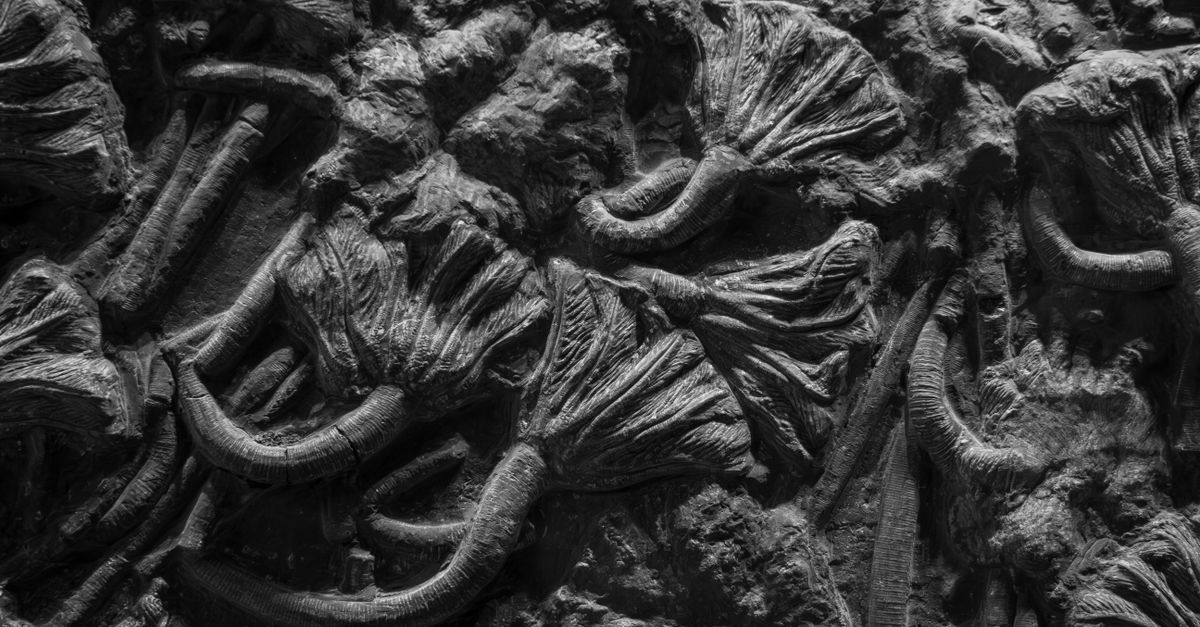
- Fossils of the Kewra (Pandanus) plant, dated to 24 million years, were found in Assam.
- The discovery predates the formation of the Himalayan mountain range.
- The find pushes the known lineage of the fragrant Kewra plant back by millions of years.
Scientists in Assam have unearthed fossils of the Kewra plant that are 24 million years old, pushing the known lineage of this fragrant species back by tens of millions of years. The discovery, announced by the Department of Science and Technology (DST) Assam, shows the plant existed long before the Himalayan mountain range began to form.
The fossils were found in sedimentary deposits in the state, which is part of the northeastern region of India. Researchers from local institutions and the DST collaborated on the study, which involved detailed geological and paleobotanical analysis.
A plant older than mountains
The Kewra plant, also known as Pandanus or screw pine, is widely used in India for its aromatic flowers. The essence extracted from its blooms is a common flavouring in sweets, beverages, and perfumes. Until now, its earliest known fossil record in India was much younger.
The new fossils date to the Miocene epoch, roughly 24 million years ago. This period predates the major uplift of the Himalayas, which began around 50 million years ago but saw its most dramatic rise in the last 20 million years. The find suggests the Kewra lineage in the Indian subcontinent is older than the tall peaks that now dominate the northern landscape.
Scientists say the discovery fills a significant gap in the evolutionary history of the Pandanus genus. It also provides clues about the ancient climate and ecology of the region, which was likely a warm, humid environment with abundant rainfall.
What the fossils reveal
The fossilised remains include leaves, stems, and reproductive structures characteristic of the Pandanus genus. The level of preservation allowed researchers to confirm the identity of the plant with confidence. The specimens were compared with modern Kewra varieties to establish the connection.
“These fossils are remarkable because they show that Kewra has survived major geological and climatic shifts over millions of years,” a DST official said. The plant’s ability to persist through such changes makes it a subject of interest for studies on adaptation and resilience.
The discovery also challenges earlier assumptions about the timeline of plant diversification in South Asia. It suggests that many species now considered native to the region may have deeper roots than previously thought.
Significance for science and heritage
For Assam and the wider Northeast, the find adds to a growing body of evidence that the region is a crucial site for understanding ancient life. The area’s sedimentary basins have previously yielded fossils of other plants and animals, but the Kewra discovery stands out for its age and clarity.
The Kewra plant holds cultural and economic importance in India. Its flowers are used in religious ceremonies, and its essence is a staple in traditional cuisine. Knowing that the plant has thrived for 24 million years adds a layer of heritage to its contemporary use.
The DST plans to continue excavations in the area. Researchers hope to find more fossils that could link the ancient Kewra to other species in the Pandanus family across Asia and the Pacific.
Officials have not yet confirmed whether the fossils will be displayed in a museum. The specimens are currently being studied at a research facility in Assam, where further analysis is expected to yield more details about the plant’s evolution and its environment.
The discovery places Assam firmly on the map of paleobotanical research. It also reinforces the idea that the region’s geological history is far richer and older than the mountains that now define it.
What to watch: Further studies may reveal whether the ancient Kewra is a direct ancestor of the modern plant used today. Scientists are also looking for pollen fossils that could show how the species spread across the subcontinent over millions of years.