Adapting to extreme weather without harming the environment
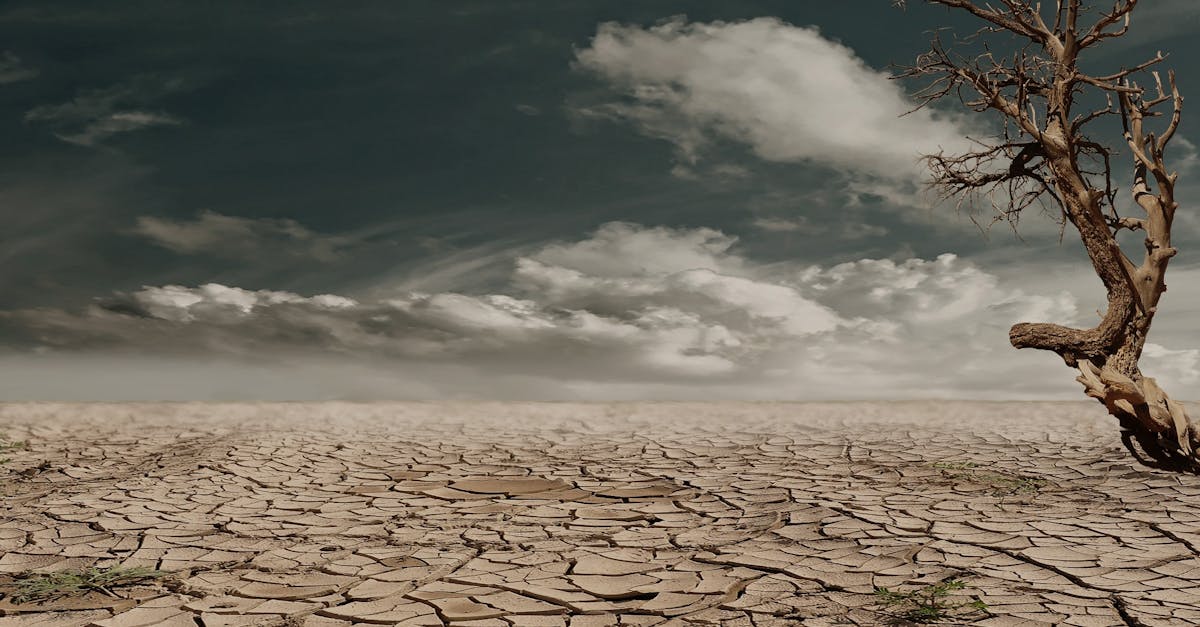
- Extreme weather events are increasing in frequency and intensity
- Traditional adaptation measures can sometimes harm ecosystems
- Green infrastructure is promoted as an environmentally responsible solution
- Community-based planning is critical for effective adaptation
As the planet warms and extreme weather events become more frequent, communities across India are scrambling to adapt. But experts warn that not all adaptation measures are created equal — some can end up causing more environmental harm than the disasters they are meant to prevent.
From coastal erosion to urban flooding, the challenges are mounting. The question now is how to build resilience without creating new problems.
The fine line between protection and damage
Hard infrastructure — sea walls, concrete embankments, and stormwater drains — has long been the default response to extreme weather. But these solutions come with hidden costs. Sea walls can accelerate beach erosion elsewhere. Drains that flush stormwater out to sea can pollute marine ecosystems.
In many Indian cities, the rush to build concrete barriers along rivers and coasts has disrupted natural water flows. Environmental groups argue that such measures often do more harm than good in the long run.
What green infrastructure offers
An alternative approach is gaining traction: working with nature instead of against it. Mangrove restoration along coastlines, for instance, can absorb storm surges while providing habitat for fish. Urban parks and rain gardens can soak up floodwaters while cooling neighbourhoods.
These solutions are often cheaper to maintain than concrete structures. They also provide multiple benefits — cleaner air, better water quality, and spaces for recreation.
Environment America, a research and advocacy group, has been documenting such approaches. Their work highlights how cities from Mumbai to Chennai are experimenting with green roofs, permeable pavements, and wetlands restoration.
Community-led planning matters
Experts stress that no one-size-fits-all solution exists. What works in a coastal village may fail in a dense urban ward. Local knowledge, they say, must guide adaptation choices.
In some parts of India, communities are reviving traditional water harvesting structures — stepwells, ponds, and check dams — to manage both floods and droughts. These ancient systems are proving more resilient than modern concrete drainage in many cases.
Government agencies are beginning to take notice. The National Disaster Management Authority has started incorporating ecosystem-based approaches into its guidelines. But implementation remains uneven.
What to watch
The coming months will test how seriously states take green adaptation. With monsoon seasons growing more erratic and cyclones intensifying, the pressure to act — and act quickly — will only grow.
Whether policymakers choose short-term fixes or long-term ecological solutions will shape India's resilience for decades.