Artemis and Chandrayaan: How Two Missions Are Reshaping Lunar Exploration
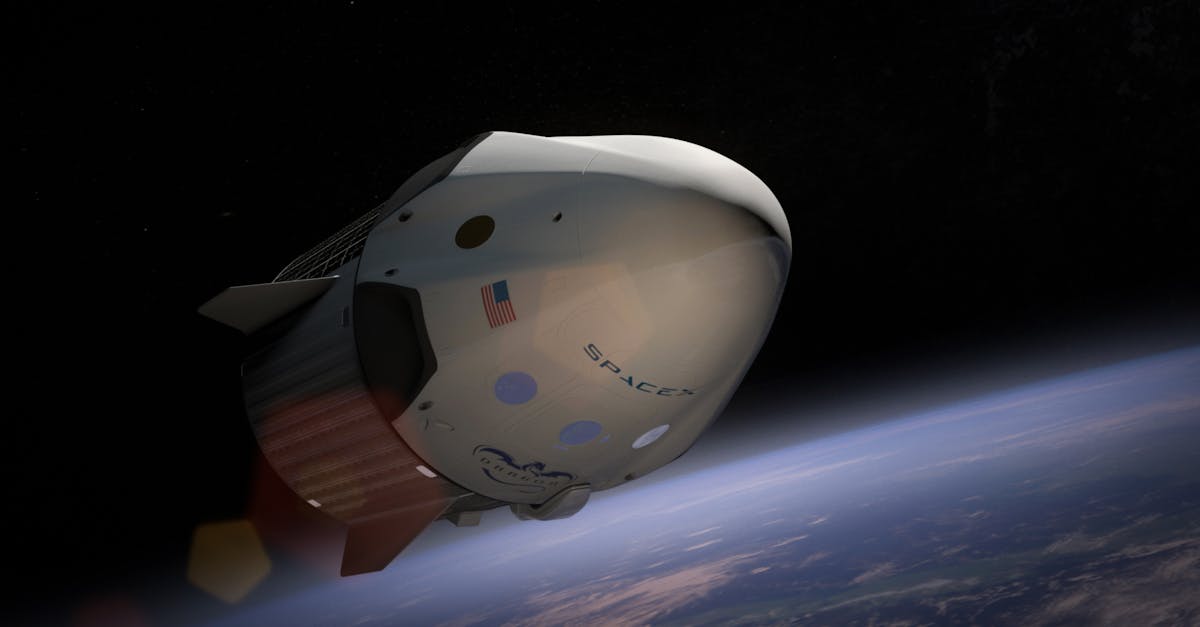
- Artemis aims to return humans to the Moon, focusing on the south pole.
- Chandrayaan-3 confirmed water ice and sulfur on the lunar surface.
- Both programs are sharing data, accelerating the pace of lunar discovery.
A New Era for the Moon
The Moon is no longer a distant, static rock in the sky. Two major space programs — NASA's Artemis and India's Chandrayaan — are rewriting what we know about Earth's only natural satellite. Their combined efforts are turning the lunar surface into a busy scientific outpost.
For decades, lunar exploration was dominated by the Cold War space race. Now, the focus has shifted from planting flags to understanding the Moon's geology, resources, and history. The Artemis program, which began its first crewed missions in the mid-2020s, and the Chandrayaan series, led by the Indian Space Research Organisation (ISRO), are at the forefront of this transformation.
Artemis: Returning Humans to the Lunar South Pole
NASA's Artemis program is designed to land the first woman and the next man on the Moon, specifically targeting the south polar region. This area is of intense interest because it contains permanently shadowed craters that hold vast reserves of water ice.
Artemis I, an uncrewed test flight, successfully orbited the Moon in late 2022. Subsequent missions have focused on developing the Space Launch System (SLS) rocket and the Orion spacecraft. The program's long-term goal is to establish a sustainable human presence on the Moon, serving as a stepping stone for future missions to Mars.
Scientists working with Artemis data have already mapped the distribution of water ice in greater detail than ever before. This ice could be used for drinking water, oxygen, and rocket fuel — a critical resource for any extended stay.
Chandrayaan: India's Steady Ascent
India's Chandrayaan program has followed a different but equally ambitious path. Chandrayaan-1, launched in 2008, made headlines by confirming the presence of water molecules on the lunar surface. That discovery changed the way scientists viewed the Moon.
Chandrayaan-2, though its lander crashed in 2019, left an orbiter that continues to send high-resolution images and data. Then came Chandrayaan-3 in 2023, which successfully soft-landed near the south pole — a first for any nation. Its rover, Pragyan, confirmed the presence of sulfur and other elements in the lunar soil, supporting the theory that the Moon's crust holds valuable minerals.
ISRO's approach has been cost-effective and methodical. Each mission builds on the last, with a focus on scientific return rather than rapid timelines.
Shared Discoveries and Future Plans
The two programs are not in competition. They are complementary. NASA's Lunar Reconnaissance Orbiter and India's Chandrayaan-2 orbiter have shared data on crater ages and mineral composition. This collaboration has helped refine models of how the Moon formed — a giant impact between Earth and a Mars-sized body billions of years ago.
One key area of rewriting is the history of lunar volcanism. Both programs have found evidence of relatively recent volcanic activity, suggesting the Moon was geologically alive much longer than previously thought. This has implications for understanding the Moon's internal heat and magnetic field.
Looking ahead, Artemis aims to land astronauts on the south pole by the late 2020s. India is planning Chandrayaan-4, a sample return mission that could bring back lunar rocks and soil for analysis. Japan and the United States have also signed agreements to collaborate on future lunar missions, with India expected to play a role.
What to watch next: The upcoming joint NASA-ISRO mission, NISAR, will not go to the Moon but will use radar to study Earth's surface. Closer to the Moon, the success of Chandrayaan-4 could determine whether India joins the Artemis Accords as a full partner in human lunar exploration.