Asia's costly climate disasters in 2025 spur calls for decisive action
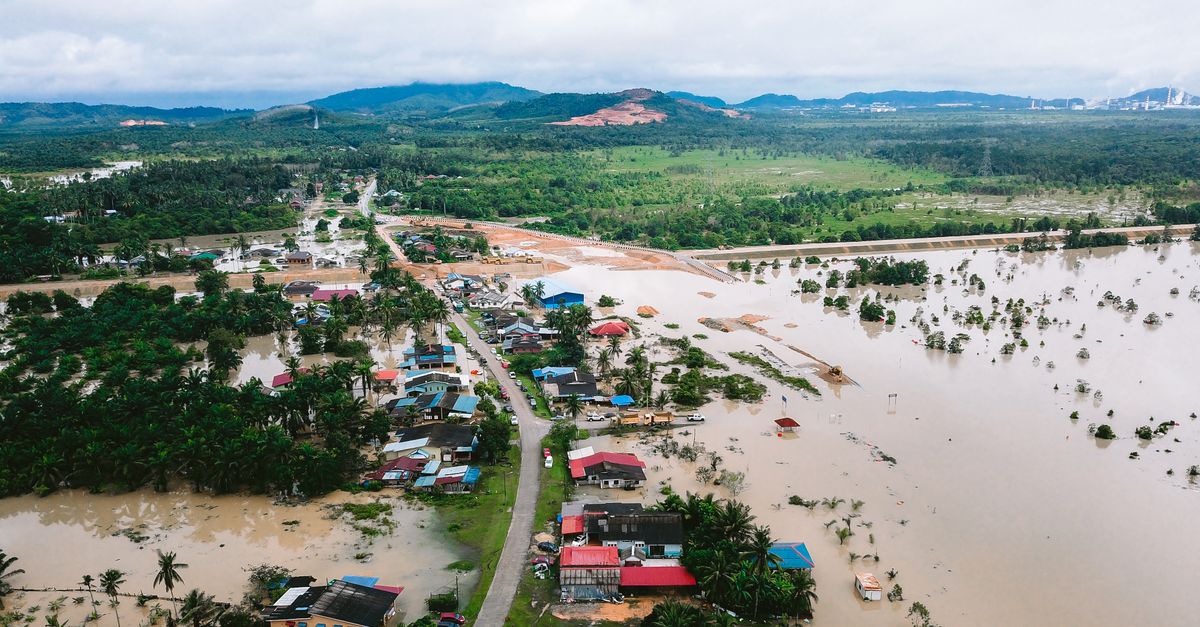
- Asia experienced a series of severe climate disasters in 2025, including floods, storms and heatwaves
- Economic losses from these events have run into billions of dollars, straining national budgets
- Experts and officials are calling for accelerated adaptation and mitigation strategies across the continent
From devastating floods in South Asia to record-breaking heatwaves in Southeast Asia, 2025 has been a year of costly climate disasters across the continent. The economic toll has run into billions of dollars, forcing governments and communities to confront the escalating price of inaction.
According to data from meteorological agencies and insurance firms, the frequency and intensity of extreme weather events have surged this year. Scientists point to rising global temperatures as the primary driver, with Asia warming faster than the global average.
Floods and storms hit hard
Monsoon rains in India, Bangladesh and Nepal triggered catastrophic flooding in June and July, submerging millions of homes and destroying crops across vast agricultural belts. In northern India, the Yamuna River swelled to record levels, inundating parts of Delhi. The floods claimed hundreds of lives and displaced over ten million people across the region.
Typhoons in East and Southeast Asia added to the destruction. Typhoon Gaemi in July battered the Philippines, Taiwan and parts of China, causing widespread power outages and infrastructure damage. The storm alone is estimated to have caused losses exceeding $10 billion.
Heatwaves and wildfires
Extreme heat was another defining feature of 2025. In April and May, temperatures in parts of India, Pakistan and Bangladesh crossed 50 degrees Celsius. Heatstroke cases overwhelmed hospitals, and the death toll in some states ran into the hundreds. Power grids strained under record demand for cooling.
In Indonesia and Malaysia, prolonged dry spells triggered wildfires that blanketed the region in haze for weeks. Air quality indices in cities like Jakarta and Kuala Lumpur plummeted to hazardous levels, disrupting daily life and leading to school closures.
Economic strain and recovery
The cumulative cost of these disasters has placed immense pressure on national budgets. India alone spent an estimated $15 billion on relief and rebuilding efforts this year. Insurance claims have surged, but penetration remains low, leaving many households and small businesses without cover.
Agriculture, which employs a large share of Asia's workforce, has been hit particularly hard. Crop losses in the rice, wheat and palm oil sectors have driven up food prices, contributing to inflation worries across the region.
“The scale of damage we're seeing is unprecedented,” said a senior official at the Asian Development Bank, speaking on condition of anonymity. “Without decisive action, these losses will only grow.”
Calls for stronger policies
In response, climate experts and policymakers have intensified calls for adaptation and mitigation. At the COP30 summit in November, Asian nations pledged to increase spending on early warning systems, flood defenses and heat-resistant infrastructure. But critics argue that implementation has been slow and underfunded.
“We have the tools. What we lack is the political will to act at the speed required,” said a climate researcher at the Indian Institute of Technology. The sentiment reflects a growing frustration among scientists who say that current efforts fall far short of what is needed.
Some countries have begun experimenting with innovative solutions. Bangladesh is scaling up community-based cyclone shelters. Thailand is investing in floating agriculture systems. But such projects remain small relative to the challenge.
What happens next will depend on whether governments can translate pledges into tangible action. With 2026 forecast to be another year of extreme weather, the window for meaningful change is narrowing. The bill for delay, as 2025 has shown, is only getting higher.