Bollywood film Chauhaan faces backlash in Kashmir over pellet victim portrayal
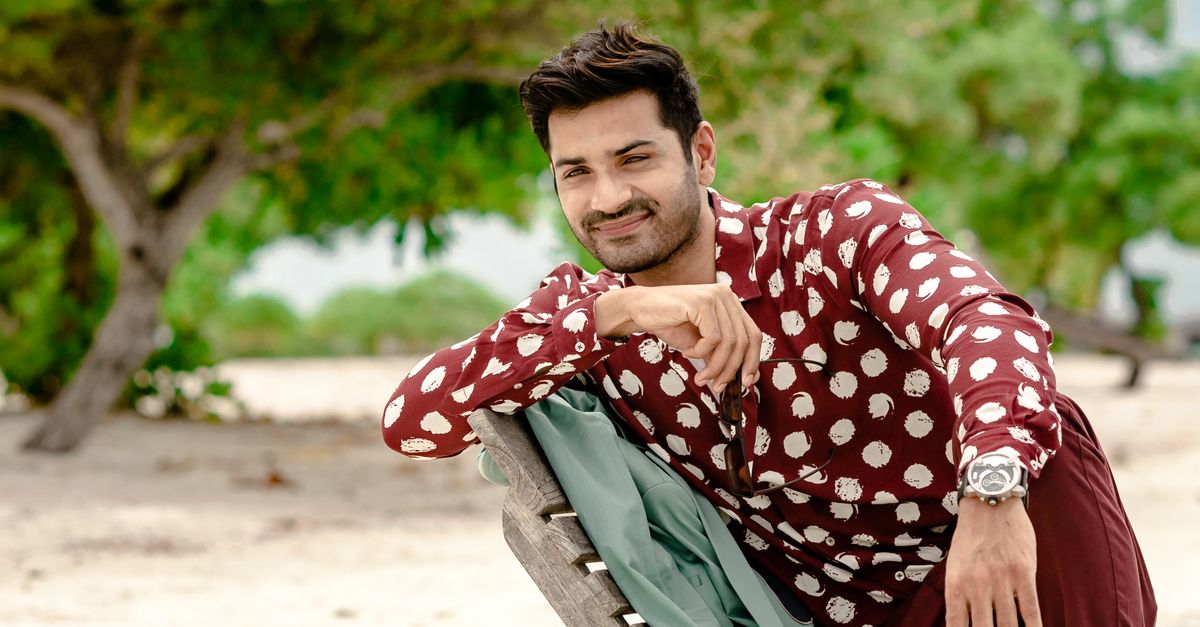
- Bollywood film Chauhaan faces backlash in Kashmir for its portrayal of pellet gun victims.
- Critics and locals argue the depiction is insensitive and trivialises the trauma of real victims.
- The controversy reignites debate over how Bollywood handles sensitive political and social issues.
- Filmmakers have not yet responded to the criticism.
A new Bollywood film, Chauhaan, has ignited anger in Kashmir for its portrayal of pellet gun victims. The movie, which released last week, features scenes that critics say trivialise the trauma of those injured during protests in the region.
The controversy centres on a sequence where a character blinded by pellets is shown in a comedic light. Many in Kashmir see this as a direct affront to the hundreds who lost their sight or suffered severe injuries from pellet guns used by security forces during the 2016 unrest.
Insensitive depiction of trauma
Social media in the valley has been flooded with posts condemning the film. Users are sharing clips and calling for a boycott. The hashtag #BanChauhaan has been trending locally.
"This is not a joke. My brother lost his eye to a pellet. To see that pain being used for laughter is disgusting," wrote a user from Srinagar on X. Others have pointed out that the film's portrayal could further stigmatise survivors who already struggle with social and economic challenges.
Local rights groups have also issued statements. The Jammu and Kashmir Coalition of Civil Society said the film "reduces a human tragedy to a punchline." They have demanded that the filmmakers issue a public apology and remove the offensive scenes.
Bollywood's troubled history with Kashmir
This is not the first time a Bollywood film has faced backlash for its handling of Kashmir-related themes. Past movies have been criticised for oversimplifying the region's complex political reality or for presenting a one-sided narrative.
Chauhaan, directed by a relatively new filmmaker, was promoted as an action thriller set against the backdrop of militancy. The film's trailer showed heavy use of military imagery and dialogue that painted all Kashmiri youth as potential threats. Critics say this reinforces harmful stereotypes.
The pellet gun controversy itself remains a raw wound in Kashmir. During the 2016 protests that followed the killing of Hizbul Mujahideen commander Burhan Wani, security forces used pellet guns extensively. Thousands were injured, and over 100 people lost vision in one or both eyes. The government later banned the use of pellet guns, but the physical and psychological scars remain.
No response yet from filmmakers
As of Saturday, the film's director and producers had not responded to the criticism. The lead actor, who plays a police officer in the film, has not commented either. Their silence has only added to the anger.
The Central Board of Film Certification (CBFC) has not said whether it will review the film. Activists are demanding that the board explain how the movie received a certificate despite its potentially inflammatory content.
The film has performed modestly at the box office so far, but the controversy may affect its run. Some cinema halls in Jammu and Kashmir have already stopped screening it, citing security concerns.
What happens next depends on whether the filmmakers choose to address the criticism. If they do not, the backlash could intensify. For now, the movie has reopened a painful chapter in Kashmir's recent history, one that Bollywood has once again failed to handle with sensitivity.