Cyclospora Outbreak: Safe Fruits and Vegetables and How to Protect Yourself
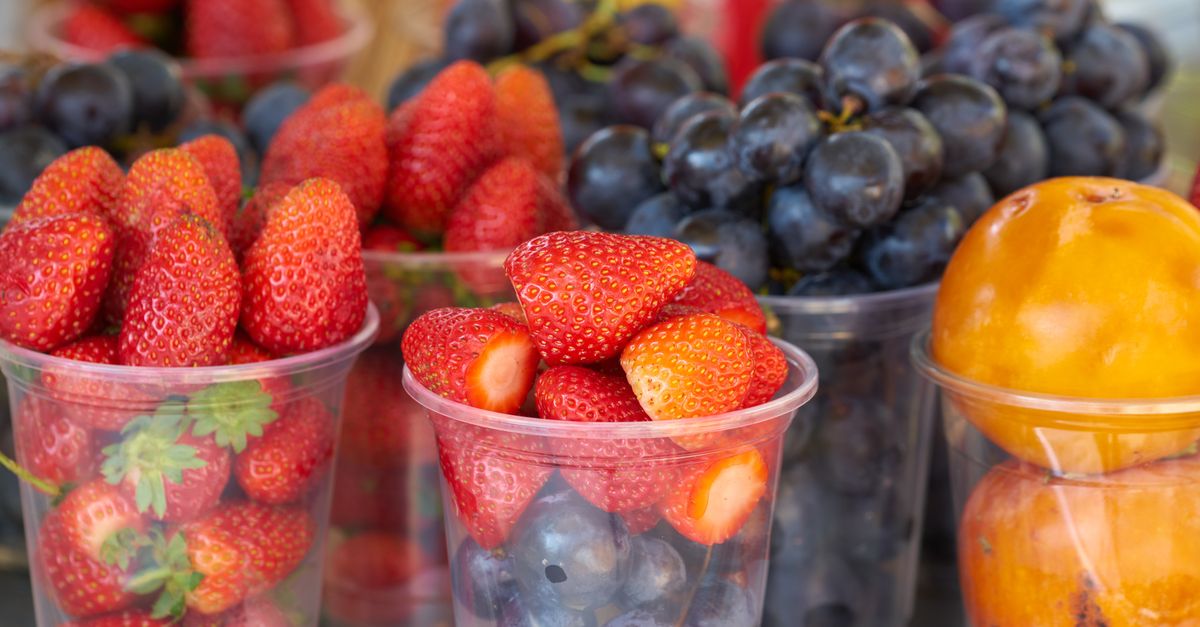
- Cyclospora outbreak linked to imported fresh produce; cases reported across multiple states.
- Thorough washing and cooking reduce risk; some fruits and vegetables are safer than others.
- Health officials urge vigilance, especially with raw salads and herbs.
What Is Cyclospora and Why Is It Spreading?
A parasite called Cyclospora cayetanensis is causing a fresh wave of concern among health authorities and consumers. The microscopic organism infects the small intestine and leads to watery diarrhoea, cramping, nausea, and fatigue. Outbreaks typically occur in summer months and are linked to contaminated fresh produce imported from regions where the parasite is endemic.
In the current outbreak, cases have been reported across several Indian states. The Times of India has learned that investigations point to imported berries, herbs, and leafy greens as potential sources. Officials have not yet confirmed a single supplier, but advisories are being issued to both retailers and the public.
Which Fruits and Vegetables Are Safe?
Health experts say that not all produce carries the same risk. Root vegetables like potatoes, carrots, and onions are generally safer because they are often cooked or peeled. Fruits with thick skins — bananas, oranges, melons — also pose lower risk if washed and peeled properly.
High-risk items include raspberries, blackberries, basil, cilantro, and pre-packaged salad mixes. These are hard to clean thoroughly and are often eaten raw. Cooking at temperatures above 70°C kills the parasite, so boiled, steamed, or roasted vegetables are considered safe.
Frozen fruits and vegetables, when commercially processed, are usually safe because they undergo blanching or other heat treatments. However, imported frozen berries have been linked to past outbreaks, so washing them before use is still recommended.
How to Protect Yourself at Home
Washing produce under running water is the first line of defence. Scrubbing firm-skinned fruits and vegetables with a brush helps remove surface contaminants. For leafy greens, a soak in cold water followed by rinsing can reduce the parasite load.
Soaking produce in a vinegar or salt solution is not proven to kill Cyclospora. The parasite forms protective spores that are resistant to chemical disinfectants. Heat remains the only reliable method to destroy it.
Cross-contamination in the kitchen is another concern. Use separate cutting boards for raw meat and produce. Wash hands thoroughly after handling unwashed fruits and vegetables. If you are immunocompromised or pregnant, consider avoiding raw salads and unpeeled imported fruits altogether.
What to Watch for in Symptoms
Symptoms of cyclosporiasis usually appear about a week after consuming contaminated food. They include watery diarrhoea, loss of appetite, bloating, and low-grade fever. In some cases, the illness can last for several weeks if untreated.
Doctors can prescribe a specific antibiotic (trimethoprim-sulfamethoxazole) to shorten the duration. Anyone with persistent diarrhoea should seek medical advice, especially if they have consumed imported produce recently.
Health authorities are tracking the outbreak and updating advisories. Importers are being asked to step up testing, but consumers must remain cautious until the source is identified. Avoiding imported raw berries and fresh herbs in salads is a practical precaution for now.
As investigations continue, the safest bet is to cook your vegetables and peel your fruits. The coming weeks will reveal whether the outbreak has been contained or if further recalls are necessary.