ICMR study: Drone transport cuts TB diagnosis time from 15 days to 5 in Telangana
- Diagnosis time reduced from 15 days to 5 days using drones
- Patient costs fell from Rs 9,451 to Rs 91 per test
- Pilot conducted in rural Telangana by ICMR
Drones slash TB diagnosis delays in rural Telangana
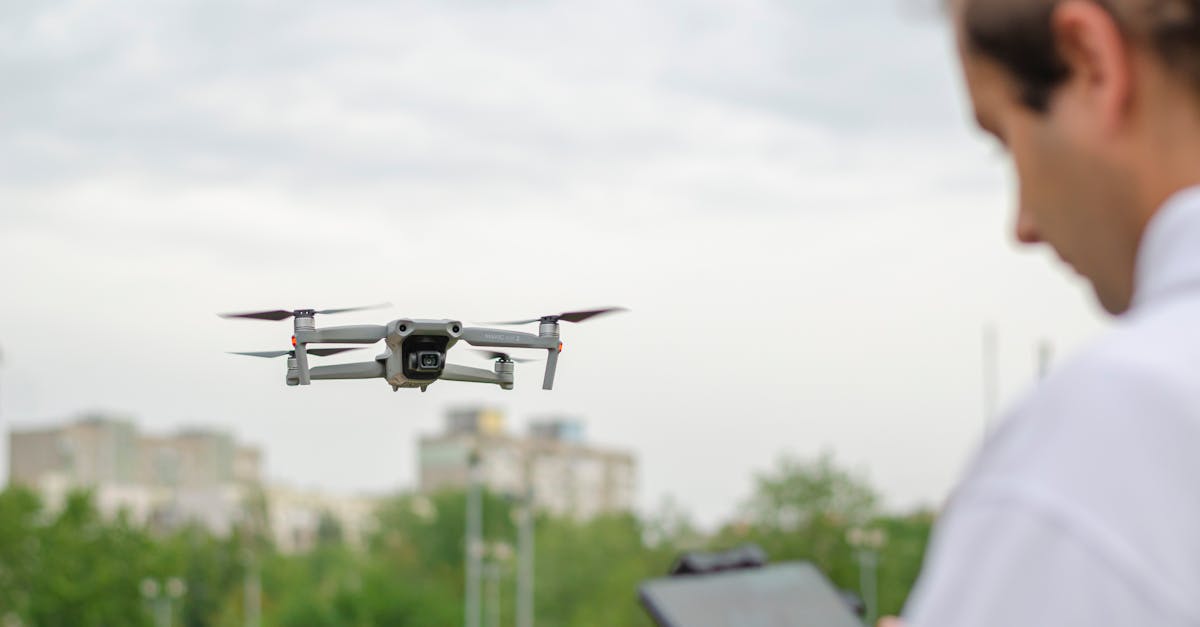
A pilot study by the Indian Council of Medical Research (ICMR) found that using drones to transport sputum samples can cut tuberculosis diagnosis time from 15 days to just 5. The trial was conducted in remote parts of Telangana, where patients often travel long distances to reach testing labs.
The findings were published by BusinessLine and other outlets, highlighting a dramatic reduction in both time and cost. For patients in rural areas, the difference can mean earlier treatment and lower risk of spreading the infection.
Cost drops from Rs 9,451 to Rs 91 per test
The economic impact is striking. According to the ICMR study, the average cost of TB diagnosis for a patient fell from Rs 9,451 to Rs 91 when drones replaced road transport. The earlier cost included travel, lost wages, and accommodation for patients who had to visit district-level labs.
Under the drone model, sputum samples are collected at primary health centres and flown directly to centralised testing facilities. The patient no longer needs to make the trip. Officials say this could be a game-changer for India's TB elimination target, especially in hard-to-reach areas.
How the drone pilot worked
The pilot covered several villages in Telangana's rural districts. Drones carried sealed sample boxes from local clinics to a reference lab about 30-40 km away. The turnaround time for test results dropped sharply, from over two weeks to under a week.
ICMR researchers tracked sample integrity and found no degradation due to transport. The drones operated under standard flight permissions and followed bio-safety protocols. The study did not specify the exact number of samples or villages involved, but described the results as promising.
Implications for India's TB control efforts
India has the highest TB burden in the world, with millions of cases diagnosed each year. Diagnostic delays remain a major hurdle, especially in rural areas where laboratory access is poor. The ICMR study suggests drones can bridge that gap quickly and affordably.
The approach also reduces the workload on frontline health workers, who often spend hours arranging sample transport. With drones, they can focus on patient care instead of logistics. The study did not mention plans for immediate scale-up, but the data is expected to inform future policy.
What happens next
The ICMR is expected to expand the pilot to other states with high TB prevalence. Regulatory approvals and cost-benefit analyses will determine whether drone networks become a standard part of India's public health infrastructure. For now, the Telangana results offer a clear proof of concept.