India Redefines Luxury Through Immersive Art and Living Heritage
- Luxury in India is increasingly defined by immersive art and cultural heritage.
- Experiences like heritage stays and art retreats are replacing material possessions.
- This trend reflects a global shift towards meaningful, authentic luxury.
In India, luxury is undergoing a quiet transformation. It is no longer just about designer labels, five-star hotels, or imported cars. A growing number of discerning travellers and connoisseurs are now seeking something deeper: immersive art and lived heritage.
This shift is redefining what it means to experience opulence in the subcontinent. From private viewings of centuries-old miniature paintings to curated stays in restored palaces, the new luxury is rooted in authenticity and cultural immersion.
Heritage as the Ultimate Status Symbol
For generations, Indian royalty and aristocrats were patrons of the arts. Their palaces were living galleries, their festivals were spectacles of craftsmanship. Today, that legacy is being revived not as a museum piece, but as a lived experience.
Several heritage properties across Rajasthan, Gujarat, and Kerala now offer guests the chance to participate in traditional art forms. Travellers can learn Pichwai painting from master artisans in Udaipur or watch a Kathakali performance in a centuries-old courtyard in Kochi.
These experiences come with a price tag that rivals any luxury suite, but the value lies in the story, not the thread count. Owners of these properties say guests are willing to pay a premium for access to living traditions.
Art as an Immersive Journey
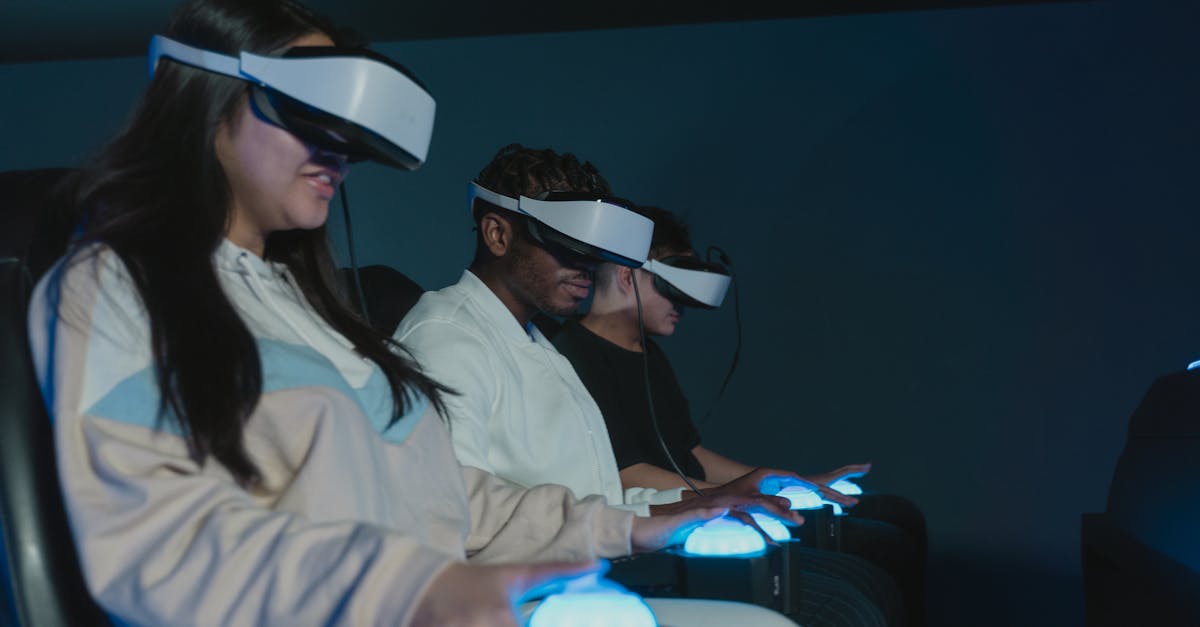
Immersive art installations are also gaining ground in India’s luxury space. Unlike passive gallery visits, these experiences engage all senses. In Mumbai and Delhi, pop-up exhibitions combine digital projections, soundscapes, and traditional crafts to create environments that transport visitors to another era.
One such installation in Jaipur allowed visitors to walk through a recreation of a 19th-century Mughal garden, complete with fragrance and ambient music. Tickets sold out within days, mostly to domestic travellers looking for novel cultural experiences.
Curators say the appeal lies in the emotional connection. A luxury handbag may impress, but a memory of walking through a recreated historical garden lingers longer.
The Global Context
This trend mirrors a global shift. Wealthy travellers are increasingly prioritising experiences over possessions. The difference in India is the sheer depth of available heritage. The country has thousands of years of art, architecture, and ritual to draw from.
Hotels and travel companies are tapping into this. Bespoke itineraries now include private lessons with master weavers, guided walks through temple towns, and stays in homestays that are centuries old. The emphasis is on personal connection with artisans and local communities.
Industry observers note that this is not about commodifying culture. It is about preserving it. When a traveller pays for a handwoven saree from a weaver in Varanasi or a private music recital in a temple, they are directly supporting an ecosystem of traditional knowledge.
What This Means for the Luxury Sector
The definition of luxury in India is expanding. Brands and businesses that fail to adapt risk being left behind. Hotels are redesigning their offerings to include more cultural programming. Retailers are stocking more artisanal products. Even fine-dining restaurants are incorporating regional ingredients and traditional cooking techniques.
There is also a generational component. Younger, affluent Indians are driving this change. They are often well-travelled and educated about their own heritage. For them, luxury is about discovery and meaning, not just comfort.
As this trend deepens, it could reshape India’s tourism and craft sectors. The challenge will be to scale these experiences without diluting their authenticity.
In the coming years, the real measure of luxury in India may well be how deeply one can connect with the country’s living past. The next wave of luxury experiences will likely focus on even more niche and personalised cultural journeys.