Jagannath Rath Yatra 2025: The significance of pulling the holy chariot
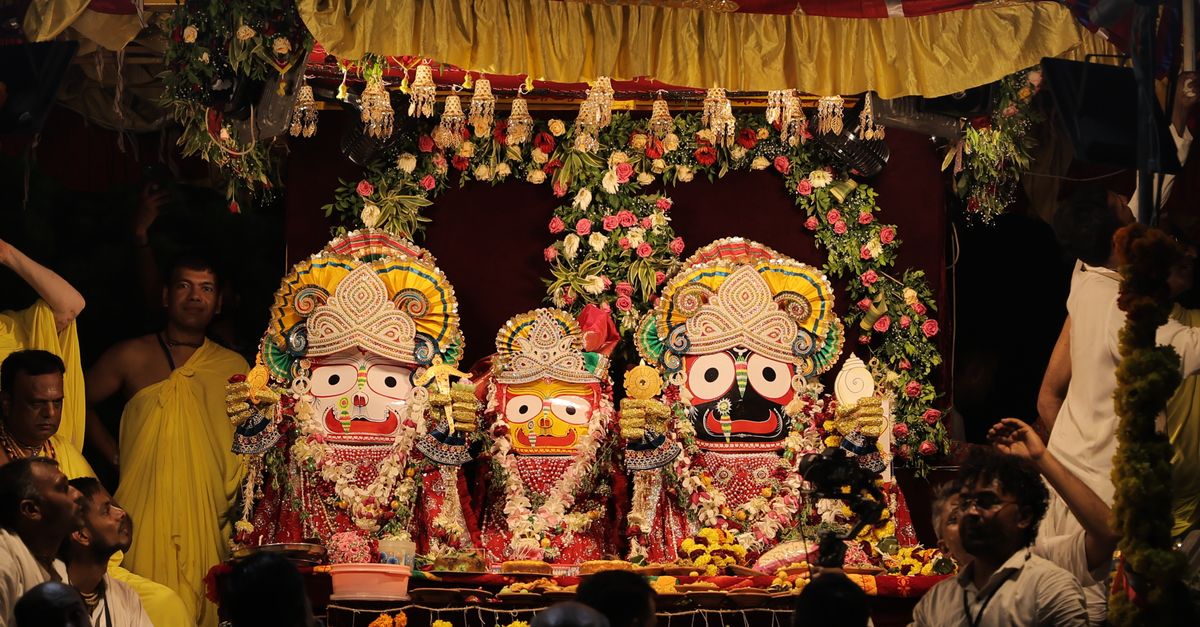
- The Rath Yatra involves pulling three massive chariots for Lord Jagannath, Balabhadra, and Subhadra.
- Devotees believe pulling the chariot washes away sins and grants blessings.
- The ritual is seen as an act of humility and service, bringing the devotee closer to the divine.
- Touching the chariot ropes is considered highly auspicious and a form of worship.
The tradition of pulling the chariot
The Jagannath Rath Yatra, one of India's oldest and grandest religious processions, sees millions of devotees converge on Puri, Odisha, each year. A central act of faith during the festival is pulling the three towering chariots — Nandighosa, Taladhwaja, and Devadalana — carrying Lord Jagannath, his brother Balabhadra, and sister Subhadra.
Devotees believe that by physically tugging on the thick ropes attached to these wooden structures, they earn immense spiritual merit. The act is not merely a physical effort but a profound gesture of surrender and devotion.
Why devotees pull the chariot
For centuries, pulling the Rath has been considered a form of karma yoga — the path of selfless action. Many devotees say it symbolises the soul's journey toward the divine, with each pull representing a step away from ego and material attachments.
The ritual is also believed to purify one's sins. According to popular belief, even a single touch of the chariot's rope can cleanse a lifetime of wrongdoings, providing a fresh start. This conviction draws people from all walks of life — rich and poor, young and old — to line up along the Grand Road in Puri.
Spiritual and communal benefits
Beyond personal salvation, the act of pulling together fosters a sense of community and equality. As the ropes are held by thousands of hands simultaneously, caste, creed, and social status momentarily vanish. Everyone becomes a humble servant of the Lord.
Priests and scholars note that the Yatra itself is seen as a metaphor for God coming out of the temple to meet His devotees. By pulling the chariot, the devotee in turn reaches out to God. This reciprocal relationship forms the emotional core of the festival.
Rituals and precautions
The actual pulling is preceded by elaborate rituals. The king of Puri, considered the first servant of Lord Jagannath, sweeps the chariot with a golden broom — a ritual known as 'Chhera Pahara'. Only after this royal cleansing are devotees allowed to pull the ropes.
Authorities typically rope off designated areas and manage crowds with the help of thousands of police and volunteers. Devotees are advised to stay hydrated, follow instructions, and avoid pushing. The festival, usually held in June or July, can see extreme heat and humidity, making safety a priority.
What happens next
This year's Rath Yatra is scheduled to commence with the pulling of the chariots from the Jagannath Temple to the Gundicha Temple, where the deities will stay for nine days. The return journey, or Bahuda Yatra, will see the chariots pulled back in a similar fashion. While the exact dates are confirmed by the temple administration closer to the event, preparations are already underway for what promises to be another massive display of faith in Puri.