Sonia Gandhi urges Congress support for Sonam Wangchuk, recalls 1984 meeting
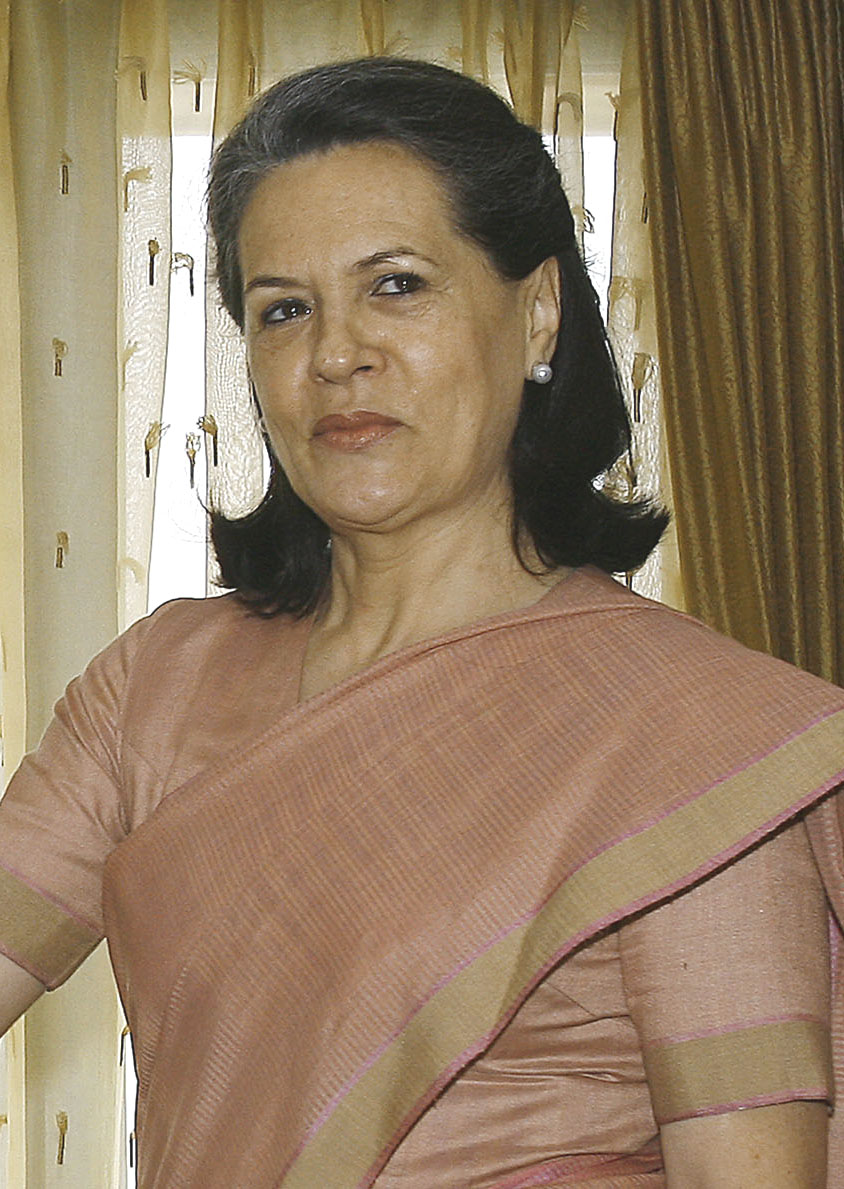
- Sonia Gandhi called for Congress support to Sonam Wangchuk's hunger strike for Ladakh statehood
- She recalled Indira Gandhi's 1984 meeting with Wangchuk's father during a similar protest
- Wangchuk's demands include Sixth Schedule status and job reservations for Ladakh
Sonia Gandhi on Friday urged Congress workers to back environmental activist Sonam Wangchuk, who is on an indefinite hunger strike in Ladakh demanding statehood and constitutional safeguards for the region. She drew a direct parallel to 1984, when then-Prime Minister Indira Gandhi flew to Leh to meet Wangchuk's father, who was on a similar protest.
The Congress leader's intervention comes at a time when Wangchuk's fast has entered its third week, with his health reportedly deteriorating. The activist is demanding Sixth Schedule status for Ladakh, job reservations for locals, and the region's recognition as a separate state.
A 1984 parallel that brought Congress to the stage
Forty-two years ago, Wangchuk's father, a school teacher, went on a hunger strike demanding educational reforms for Ladakh. Indira Gandhi, then at the height of her political power, made a surprise visit to Leh to meet him.
That meeting, according to party insiders, helped the Congress build a foothold in a region that had traditionally leaned towards regional parties. Sonia Gandhi's reference to that episode is a clear signal that the party sees Wangchuk's current protest as a political opportunity.
“Indira ji understood that the voice of the people cannot be ignored,” she is believed to have told party workers. “Today, Sonam Wangchuk is carrying forward that legacy.”
Wangchuk's demands and the political tightrope
Sonam Wangchuk, known globally for his work on sustainable education and water conservation, is demanding that Ladakh be brought under the Sixth Schedule of the Constitution, which grants autonomy to tribal areas. He also wants the region to be made a separate state with elected representation.
The protest has drawn support from various civil society groups but has faced silence from the central government. The Congress, out of power at the Centre for over a decade, sees an opening to re-engage with Ladakh's voters ahead of the next general election.
However, the party's position is not without complications. Some within the Congress have questioned whether backing Wangchuk could alienate voters in other parts of Jammu and Kashmir, where statehood demands have historically been more contentious.
Criticism and counter-narratives
Not everyone is convinced by the Congress's newfound support. Critics have pointed out that Wangchuk, despite his environmental credentials, has no patents to his name and his scientific work has been questioned by some peers.
Right-leaning outlets have accused the activist of being a Congress plant, pointing to his father's history with the party. Others argue that the establishment's silence on his hunger strike is a deliberate strategy to avoid giving him a platform.
Despite the criticism, Wangchuk's protest has brought Ladakh's unique challenges—limited employment, shrinking glaciers, and lack of political representation—back into the national conversation.
What happens next
Wangchuk's health remains a concern, with doctors advising him to end the fast. The central government has not yet responded to his demands, but Sonia Gandhi's call for support could put pressure on the BJP-led administration to break its silence. For now, all eyes are on Leh, where a solitary activist's hunger strike is forcing Delhi to confront a question it has long avoided.