Study warns Mars microbes could become more infectious in space
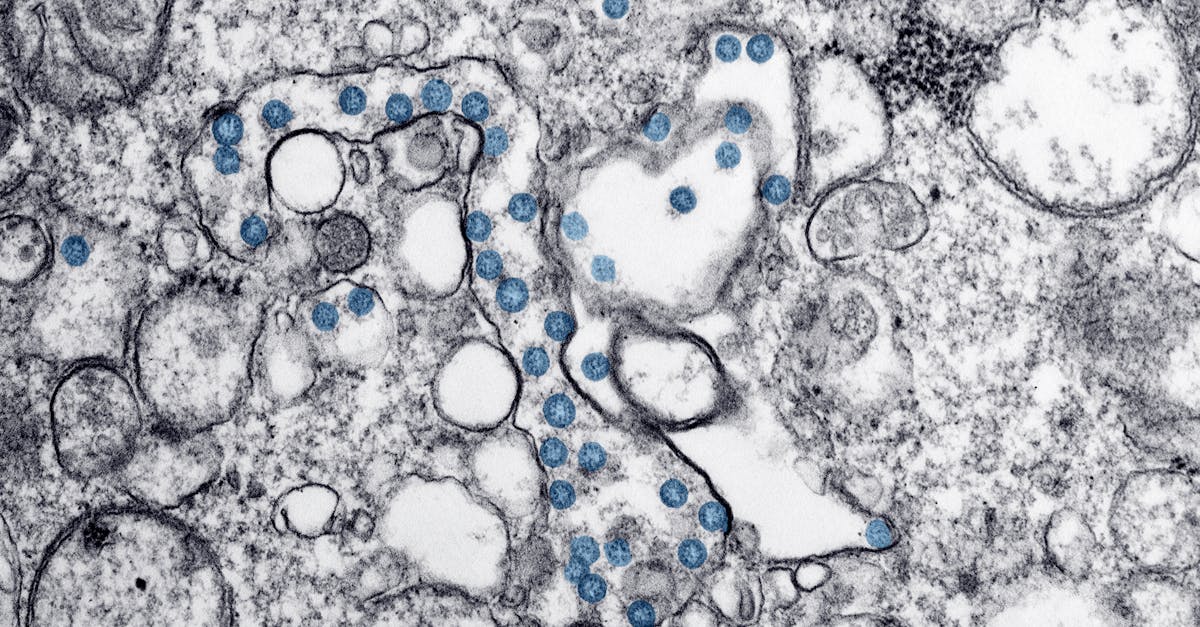
- Mars microbes may become more virulent in space environments
- Study highlights risks for astronauts on future missions
- Research calls for stronger planetary protection measures
Mars microbes: a hidden threat?
A new study has raised a chilling possibility: microbes that might exist on Mars could turn into more dangerous pathogens if they ever reach Earth or infect astronauts. The research, published by scientists at a leading space biology lab, suggests that the harsh environment of space could trigger evolutionary changes in microorganisms, making them more resilient and potentially more deadly.
The findings come as space agencies around the world ramp up plans for crewed missions to the Red Planet. NASA, ISRO, and other players are eyeing the 2030s for the first human footprints on Martian soil. But this study adds a fresh layer of caution to the excitement.
Space conditions could supercharge microbes
Microbes on Mars would face extreme conditions: intense radiation, low pressure, and scarce water. The study indicates that such stressors can drive genetic mutations. Some mutations might help the microbes survive, but they could also make them more virulent.
"We are not saying Mars definitely has dangerous microbes," the lead researcher told EarthSky. "But if they exist, we must prepare for the worst-case scenario." The team used computer models to simulate how Earth-based pathogens might evolve in Martian conditions. The results showed increased resistance to antibiotics and higher infection rates in lab-grown cells.
These findings echo concerns raised by astrobiologists for decades. The possibility of forward contamination — Earth microbes hitching a ride to Mars — is already a major worry. But this study flips the script: Martian microbes coming back could be even more dangerous.
What this means for astronauts
For astronauts on long-duration missions, the risk is twofold. First, they could inhale or ingest dust containing dormant microbes. Second, their own immune systems weaken in microgravity, making them more vulnerable. The study suggests that a simple infection could spiral into a medical emergency hundreds of millions of miles from Earth.
NASA has strict protocols for sterilizing spacecraft and equipment. But no method is 100% effective. The study calls for enhanced quarantine measures for samples returned from Mars. It also recommends developing rapid diagnostic tools to detect microbial threats onboard.
Indian space scientists have taken note. ISRO's upcoming Mars lander mission, planned for 2028, will include a mini-lab designed to test for organic compounds. While it won't culture live microbes, the data could help refine risk assessments.
Planetary protection: a growing priority
The study adds urgency to the field of planetary protection. International treaties require spacefaring nations to avoid contaminating other worlds — and to prevent bringing anything harmful back. But the rules were written before anyone seriously considered that alien microbes might evolve into superbugs.
Some experts argue for stricter sterilization of return capsules. Others suggest that the first samples from Mars should be handled only in biosafety level 4 labs, like those used for Ebola. The cost and complexity would be enormous, but the alternative could be catastrophic.
"We are entering an era where space biology and public health must work together," said a planetary protection officer quoted in the study. "The stakes are higher than ever."
The coming decade will see more missions to Mars, including sample return efforts by NASA and the European Space Agency. Each mission will carry new instruments to search for life. But as this study shows, finding life might be the easy part. The hard part will be dealing with what we find.
Scientists are now pushing for a global framework to govern the handling of potential Martian life. The United Nations Office for Outer Space Affairs is expected to take up the issue later this year. Until then, the study serves as a stark reminder: space is not just vast — it can be dangerous in ways we are only beginning to understand.