What disaster preparedness experts keep in their go bags
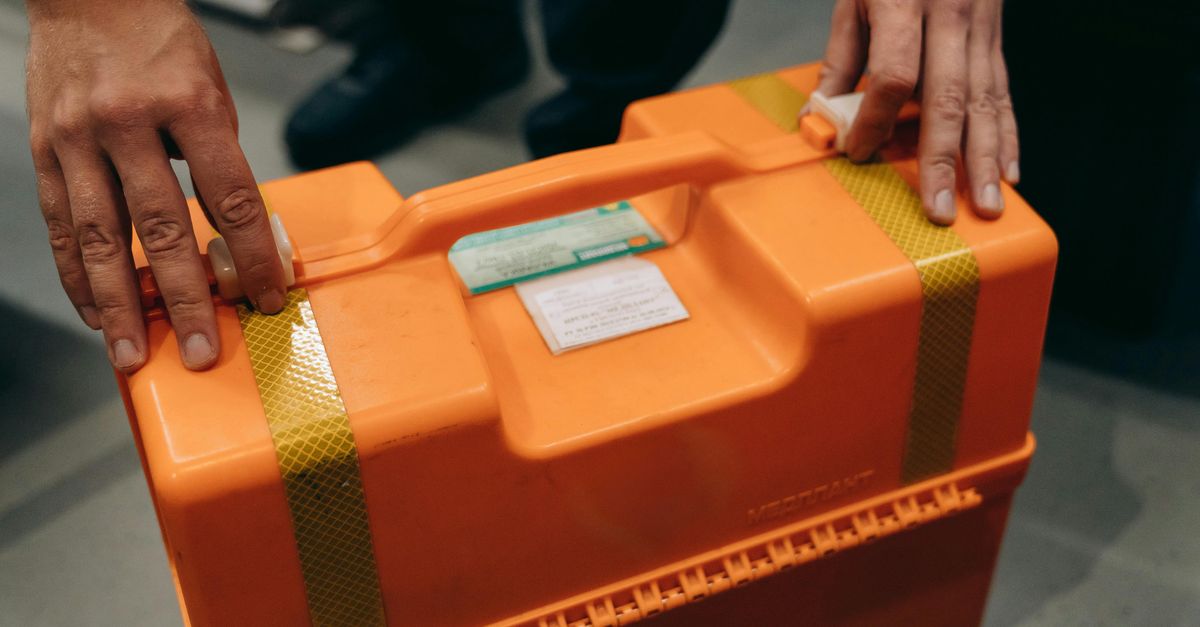
- Experts prioritize documents, cash, and communication tools over luxury items.
- Water purification, multi-tools, and first aid kits are non-negotiable.
- Comfort items like photos or snacks help maintain morale during crises.
What goes into a go bag?
Disaster preparedness experts do not pack for comfort. They pack for survival. A go bag — also called a bug-out bag — is meant to keep you alive for at least 72 hours after a disaster. But what exactly do the people who study disasters carry?
National Geographic spoke to several experts to find out. Their answers reveal a clear pattern: documents, cash, and communication tools come first. Luxury items rarely make the cut.
Documents and cash: the first layer
Every expert carries copies of critical documents. Passports, Aadhaar cards, and insurance papers are common. Some also pack a USB drive with digital backups. Cash is another must-have. ATMs and card machines may not work after a quake or flood.
One expert keeps ₹10,000 in small denominations. Another prefers US dollars for international travel. The rule is simple: if you cannot prove who you are or pay for what you need, you are stuck.
Water, food, and tools
Water purification tablets or a filter are non-negotiable. Bottled water runs out fast. A LifeStraw or similar device can turn a muddy puddle into drinkable water. Food is usually high-calorie and non-perishable — energy bars, nuts, or MREs.
Multi-tools are another staple. A good one includes pliers, a knife, scissors, and a screwdriver. Experts also pack a headlamp with extra batteries. Darkness can be deadly in a collapsed building or a blackout.
First aid and medication
A first aid kit is standard. But experts go beyond bandages and antiseptic. They include prescription medications for at least a week. Some add a trauma kit with tourniquets and chest seals.
One emergency manager said she packs a small bottle of bleach. It can disinfect water or clean wounds if needed. The key is versatility — every item should serve more than one purpose.
Comfort and communication
Experts do not ignore morale. A few pack a printed photo of family or a small notebook and pen. One carries a deck of cards. These items help pass time and reduce anxiety during long waits.
Communication tools are critical. A hand-crank radio receives emergency broadcasts. A power bank keeps phones charged. Some experts include a whistle to signal for help. In a noisy disaster zone, a whistle carries farther than a shout.
Notably, no expert mentioned weapons. Self-defense is a personal choice, but the consensus is clear: a go bag is for survival, not confrontation.
What happens next
Disaster experts update their bags twice a year — when clocks change or during Disaster Preparedness Month. They check expiry dates, replace used items, and adjust for seasons. The message is simple: a go bag only works if it is ready when you need it.