Canadian hiker stumbles upon 390-million-year-old meteor crater on Google Maps
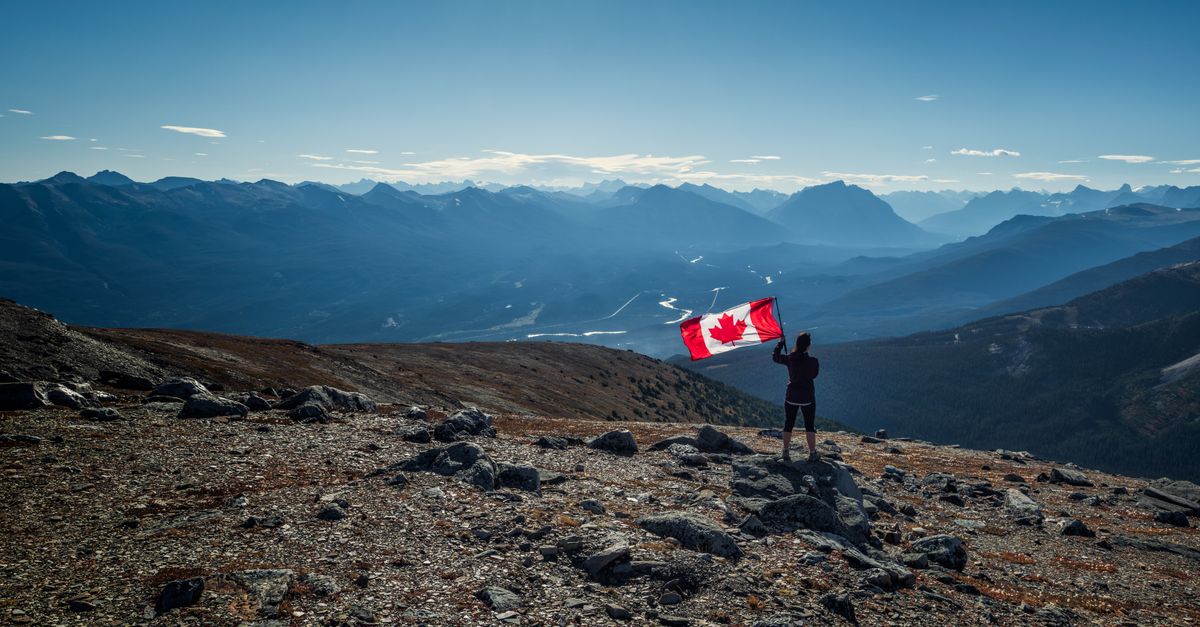
- A Canadian man discovered a massive pit on Google Maps while planning a camping trip.
- The pit has been confirmed as a 390-million-year-old meteor impact crater.
- The crater is 25 km wide and located in rugged Canadian terrain.
- Scientists believe the impact occurred during the Devonian period.
A Canadian man planning a camping trip found something extraordinary on Google Maps: a massive pit that turned out to be a 390-million-year-old meteor crater. The discovery, initially made by a keen-eyed hiker, has now been scientifically confirmed.
The crater measures 25 km across and is located in rugged, remote terrain. For millions of years, it remained hidden beneath the landscape, undisturbed by erosion or human activity.
From Google Maps to geological history
The hiker spotted the unusual circular feature while scouting locations for his trip. Intrigued, he shared his find with scientists, who began investigating.
Researchers from multiple institutions examined the site. They confirmed the structure is an impact crater, dating back 390 million years to the Devonian period.
“This is a significant discovery,” a scientist involved in the study told reporters. “It adds to our understanding of Earth's history and the frequency of asteroid impacts.”
What the crater reveals
The crater's size suggests a massive meteorite struck the area. The impact would have released enormous energy, reshaping the terrain and possibly affecting the local climate.
Scientists are now studying rock samples from the site. They hope to learn more about the impact event and its aftermath.
The discovery highlights how modern technology can aid in finding ancient geological features. Google Maps, combined with citizen science, has led to several similar finds in recent years.
A rare find in a vast landscape
Canada's rugged terrain contains many undiscovered geological structures. This crater, hidden for eons, is one of the few impact craters found in the country.
The site is now being mapped in detail. Researchers plan to publish their findings in peer-reviewed journals.
Local authorities have not yet commented on whether the site will be protected or opened for tourism. For now, the crater remains a remote spot, accessible only to determined hikers and scientists.
The discovery serves as a reminder that Earth's surface still holds secrets, waiting to be uncovered by chance or curiosity.
Scientists will continue analyzing the crater in the coming months. They expect to release more details about the impact event and its significance for planetary science.