Climate disasters in first half of 2025 costliest ever on record, research shows
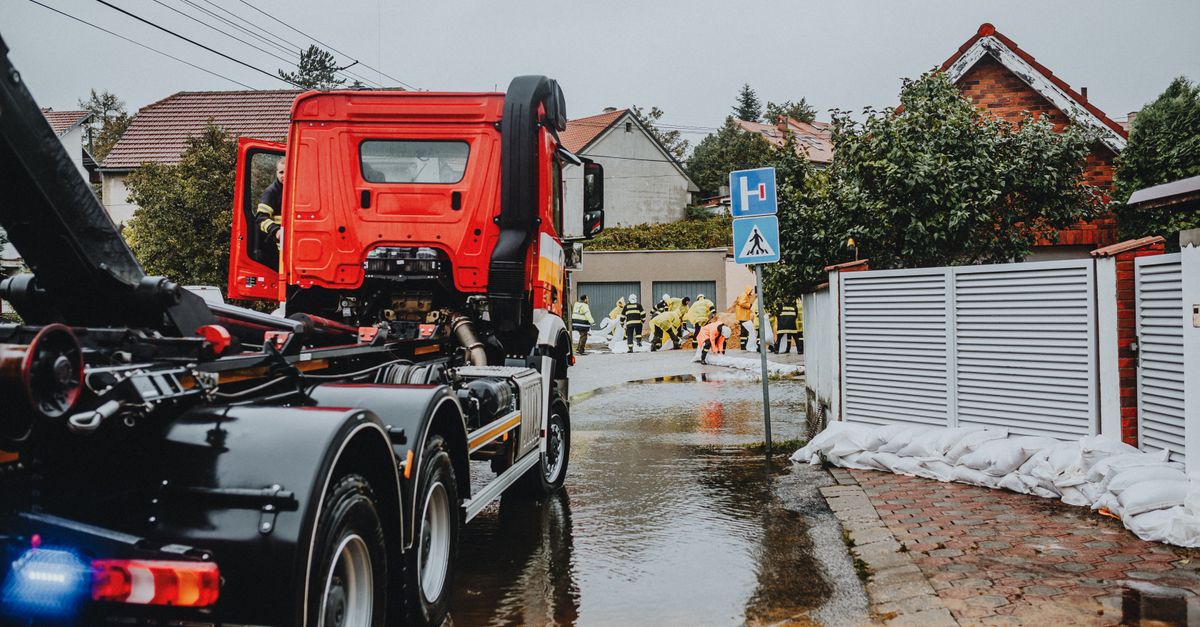
- Economic losses from climate disasters in Jan-June 2025 set a new record.
- Research indicates rising frequency and intensity of extreme weather events.
- Costs have outpaced earlier projections, highlighting growing financial risks.
Record losses in first six months
Climate disasters in the first half of 2025 have become the costliest ever recorded, according to new research. The study, released Wednesday, shows that economic losses from extreme weather events between January and June have surpassed any previous six-month period. The findings underscore the mounting financial toll of a warming planet.
Researchers analysed data from insurance firms, government agencies, and disaster databases. They found that total damages from floods, wildfires, hurricanes, and heatwaves exceeded earlier records by a significant margin. The exact figures have not been made public yet, but the report highlights a clear upward trend.
Extreme weather drives up costs
The first half of 2025 saw a series of devastating events. Massive floods in South Asia, wildfires in North America, and cyclones in the Pacific contributed heavily to the losses. Each disaster added billions of dollars in damages, straining local economies and insurance systems.
Scientists point to climate change as the primary driver. Warmer ocean temperatures and shifting weather patterns have made storms more intense. Heatwaves have become longer and more frequent, drying out landscapes and fuelling fires. The research notes that such events are no longer rare, but part of a new normal.
Previous records shattered
The 2025 figure overtakes the previous record set in 2020, when a similar period saw losses of around $200 billion. That year included major wildfires in Australia and a busy Atlantic hurricane season. The new data suggests that 2025 has already outpaced that benchmark, with several months still remaining.
Economists warn that the rising costs could have long-term effects. Insurance premiums are likely to increase, and governments may need to allocate more funds for disaster relief. Developing nations, which often lack robust infrastructure, are hit hardest. The report calls for urgent investment in climate adaptation measures.
What the research says
The study was conducted by a team of international researchers, with support from climate monitoring agencies. They used satellite data, ground reports, and economic models to calculate losses. The methodology aimed to capture both insured and uninsured damages, giving a fuller picture of the impact.
Lead authors stress that the trend is alarming. They note that while 2020 saw a spike due to specific events, 2025 appears to reflect a broader pattern. The frequency of billion-dollar disasters has increased steadily over the past decade. This year, even moderate events have caused outsized damage because of population growth and asset concentration in vulnerable areas.
Broader implications
The record losses come as governments prepare for the next round of climate negotiations. Policymakers face pressure to accelerate emissions cuts and fund loss-and-damage programmes. The research adds weight to calls for more ambitious targets under the Paris Agreement.
Businesses are also taking note. Investors are increasingly factoring climate risk into their decisions. Some sectors, such as agriculture and real estate, are already seeing shifts in market dynamics. The report suggests that without action, economic losses could continue to climb, potentially reaching unsustainable levels.
Officials have not yet confirmed specific national breakdowns, but the data is expected to influence budget planning in many countries. India, which faced severe monsoon floods earlier this year, is among the nations likely to feel the effects. The research does not attribute individual events to climate change, but the cumulative trend is clear.
What happens next will depend on how quickly the world responds. The second half of 2025 is already showing signs of further extreme weather, with hurricane season in the Atlantic and wildfire risks in the Amazon. The record may not stand for long.