From Cactus Thorns to Dinosaur Teeth: Study Analyzes Biological Puncture Tool Performance
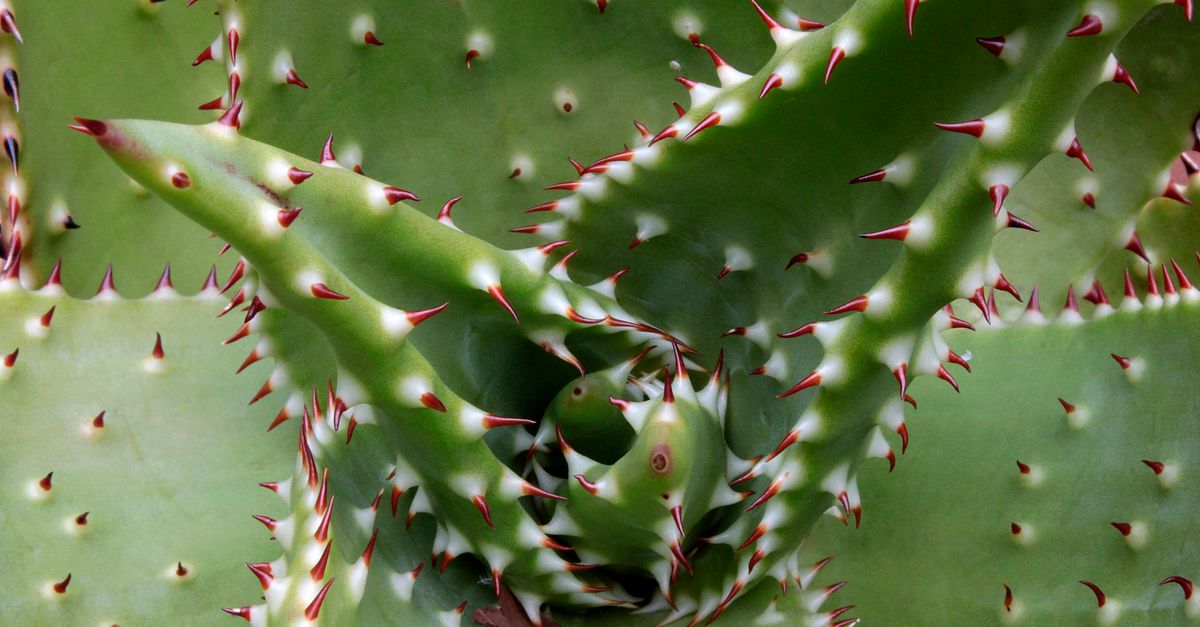
- Researchers analyzed puncture performance of diverse biological structures like cactus thorns and dinosaur teeth.
- The study identifies common design features that maximize puncture efficiency with minimal force.
- Findings could lead to improved medical needles, surgical tools, and industrial drills.
Nature’s Puncture Arsenal Under the Microscope
From the spines of a cactus to the serrated teeth of a dinosaur, nature has evolved a staggering variety of puncture tools. A new study published recently takes a systematic look at how these biological structures perform their piercing function.
Researchers at a leading university examined a range of specimens—including cactus thorns, mosquito mouthparts, snake fangs, and dinosaur teeth—to understand what makes them effective at penetrating different materials. The work was reported by Newswise.
Common Design Principles Emerge
The team used high-resolution imaging and mechanical testing to measure the force required for each structure to puncture surfaces of varying hardness. They found that despite diverse evolutionary paths, many puncture tools share key design features.
Sharpness, for instance, is not just about the tip radius. The study highlights how the overall shape—like the curvature of a thorn or the serrations on a tooth—distributes stress and reduces the energy needed to break through a material. Some structures also use microscopic barbs or grooves to reduce friction during penetration.
“It’s a classic case of convergent evolution,” one researcher noted. “Different organisms have arrived at similar solutions for the same problem: how to puncture efficiently.”
Lessons for Modern Tools
The findings have practical implications. Medical needles, for instance, could be redesigned to mimic the low-friction surfaces of mosquito proboscises, reducing patient pain. Surgical drills might benefit from the self-sharpening geometry found in certain rodent incisors.
Industrial applications could also see improvements. Bore tools and puncture devices used in manufacturing or exploration might become more durable and efficient by adopting biological designs that resist wear.
The researchers stress that the study is a first step. They plan to expand their analysis to include more species and test how these designs perform in real-world applications, such as soft tissue or bone.
What Happens Next
The team is now collaborating with engineers to prototype needle designs based on the study’s insights. If successful, these biomimetic tools could enter clinical trials within a few years. For now, the work offers a striking reminder that nature’s oldest solutions can still teach us new tricks.