How Lifestyle Changes Are Reshaping Luxury Brands
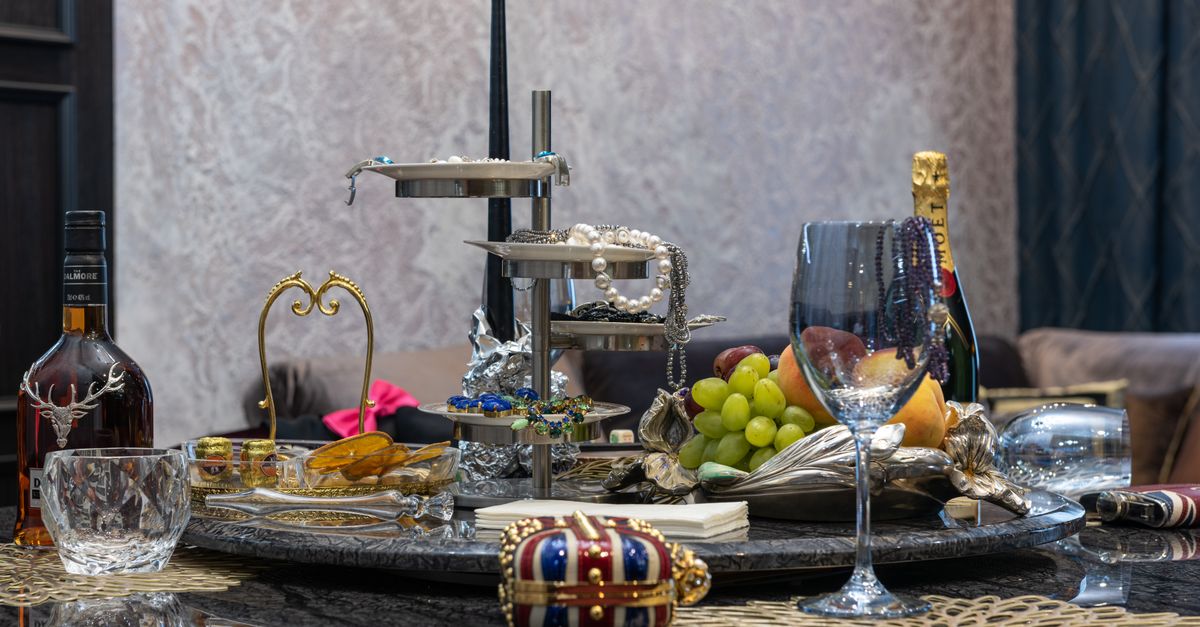
- Luxury brands face pressure from changing consumer priorities like sustainability and wellness.
- Younger buyers value experiences and ethics over traditional status symbols.
- Digital and direct-to-consumer channels are reshaping how luxury is marketed and sold.
New Consumer Priorities
Luxury brands are navigating a landscape where old assumptions no longer hold. Buyers, especially from younger generations, are redefining what status means. Exclusivity alone isn't enough anymore.
Wellness, sustainability, and digital fluency now shape purchasing decisions. A handbag crafted from rare leather may attract less interest than one made from recycled materials — if the story behind it aligns with personal values.
The Shift to Experiences
Spending on travel, fine dining, and wellness retreats has surged. Many consumers prefer a memorable holiday over a designer watch. This shift forces luxury houses to rethink their offerings.
Brands like LVMH and Kering have invested in hospitality and experiential retail. Pop-up events, private dinners, and immersive store layouts are replacing simple product displays.
Sustainability as a Status Marker
Eco-consciousness is no longer niche. It is a core demand. Luxury brands that ignore environmental impact risk alienating a key demographic. Stella McCartney and Gucci have led with transparent supply chains and circular fashion initiatives.
But greenwashing carries its own reputational risk. Consumers are increasingly savvy. They expect verified claims and measurable action, not just marketing slogans.
Digital Transformation Accelerates
The pandemic pushed luxury brands online. Many resisted e-commerce for years, fearing it would dilute exclusivity. Now, direct-to-consumer channels and social media are essential tools.
Livestream shopping, virtual try-ons, and limited drops on apps are becoming standard. Brands that adapt quickly capture younger buyers. Those that lag lose relevance.
The Resale Market Grows
Second-hand luxury is booming. Platforms like The RealReal and Vestiaire Collective have normalized pre-owned purchases. For many, buying a vintage Chanel bag is more desirable than a new one.
This trend challenges traditional luxury pricing and scarcity models. Brands are experimenting with certified pre-owned programs to retain control over their products beyond the first sale.
Luxury brands must keep evolving as lifestyles change. The next few years will test how well they balance heritage with innovation, exclusivity with accessibility, and profit with purpose. The winners will be those that listen closely to what consumers now value most.