India launches first private orbital rocket, Skyroot's Vikram-1 reaches space
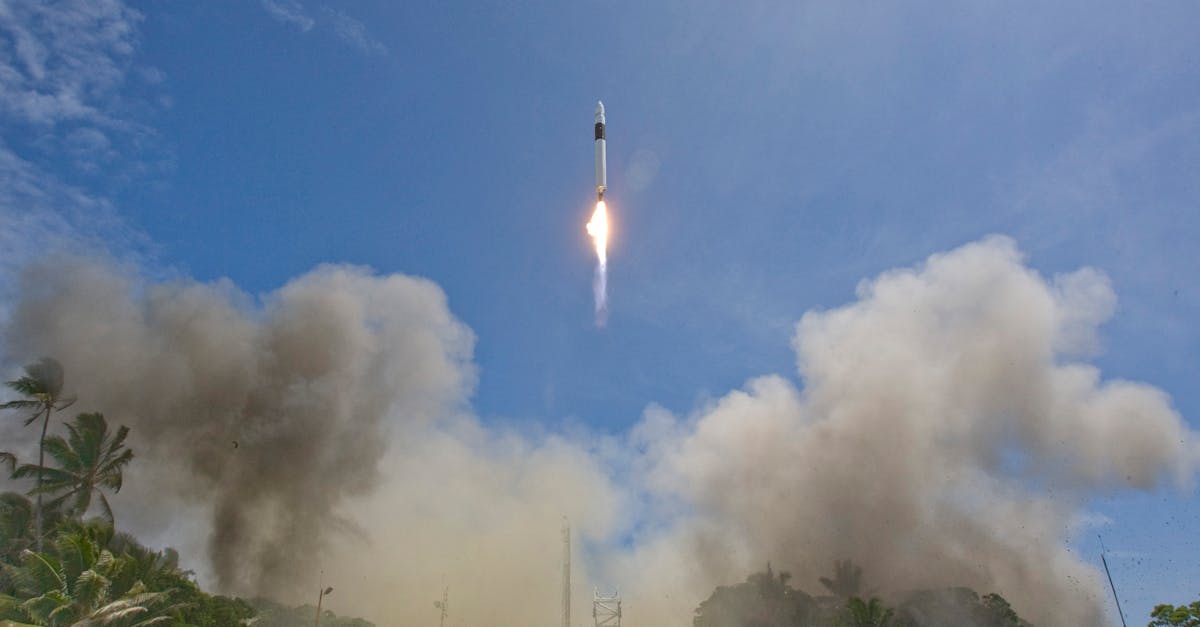
- Skyroot Aerospace's Vikram-1 became India's first private-sector orbital rocket to reach space.
- PM Modi credited the launch as validation of his decision to open the space sector to private players.
- The mission drew international attention, with Canadian observers calling it a new chapter for India's space programme.
- Skyroot now aims to scale up for commercial launches, targeting a growing global small-satellite market.
India joined an elite club of nations on Saturday as Skyroot Aerospace successfully launched the Vikram-1, the country's first orbital rocket built entirely by a private company. The lift-off, which took place from the Satish Dhawan Space Centre in Sriharikota, marks a turning point in India's decades-old space programme, long dominated by the state-run Indian Space Research Organisation (ISRO).
The mission drew praise from across the globe. A Canadian commentator described the achievement as the 'biggest white pill of all time', hailing it as a new chapter for India's space ambitions. The launch was watched closely by industry leaders and government officials, who see this as proof that the private sector can deliver where only nations once dared.
PM Modi hails privatisation push
Prime Minister Narendra Modi, addressing a gathering after the launch, said he was initially discouraged from taking the bold decision to open the space sector to private players. 'Today you proved me right,' he said, directly addressing the Skyroot team. The Prime Minister's remarks underscored the political and bureaucratic resistance his government faced when it first announced the space sector reforms in 2020.
The privatisation push was intended to break ISRO's monopoly and allow Indian companies to compete in the global space market, which is projected to be worth over a trillion dollars in the coming decade. Skyroot's success is seen as a validation of that policy shift, with the company now positioned to take on established players like SpaceX and Rocket Lab.
From micro-art to orbit
The launch also carried a deeply personal payload. A Warangal-based artist, known for creating intricate micro-sculptures, had sent a set of his works aboard the Vikram-1. The artist described the moment the rocket reached space as emotional, saying his creations had 'journeyed into the cosmos'. The inclusion of such cultural artefacts highlights how the commercial space sector is beginning to democratise access to space, allowing individuals and small organisations to participate in ways previously reserved for national agencies.
Skyroot's rocket, named after the legendary Indian space pioneer Vikram Sarabhai, is designed to carry small satellites into low Earth orbit. The company has already lined up commercial contracts and plans to offer launch services at competitive rates, aiming to capture a slice of the burgeoning small-satellite launch market.
What comes next for Skyroot
With the Vikram-1's success, Skyroot now faces the challenge of scaling up production and reducing costs to stay competitive. The company has announced plans for a larger variant, the Vikram-2, which could carry heavier payloads. Industry analysts say the next few years will be critical as the company moves from a single successful test to regular commercial operations.
The global space community is watching closely. If Skyroot can sustain its momentum, it could not only transform India's space economy but also provide a reliable, cost-effective alternative for countries and companies looking to launch small satellites. For now, the team in Hyderabad is celebrating a milestone that once seemed distant.