Jodhpur to Host Arts, Design, and Heritage Festival This October
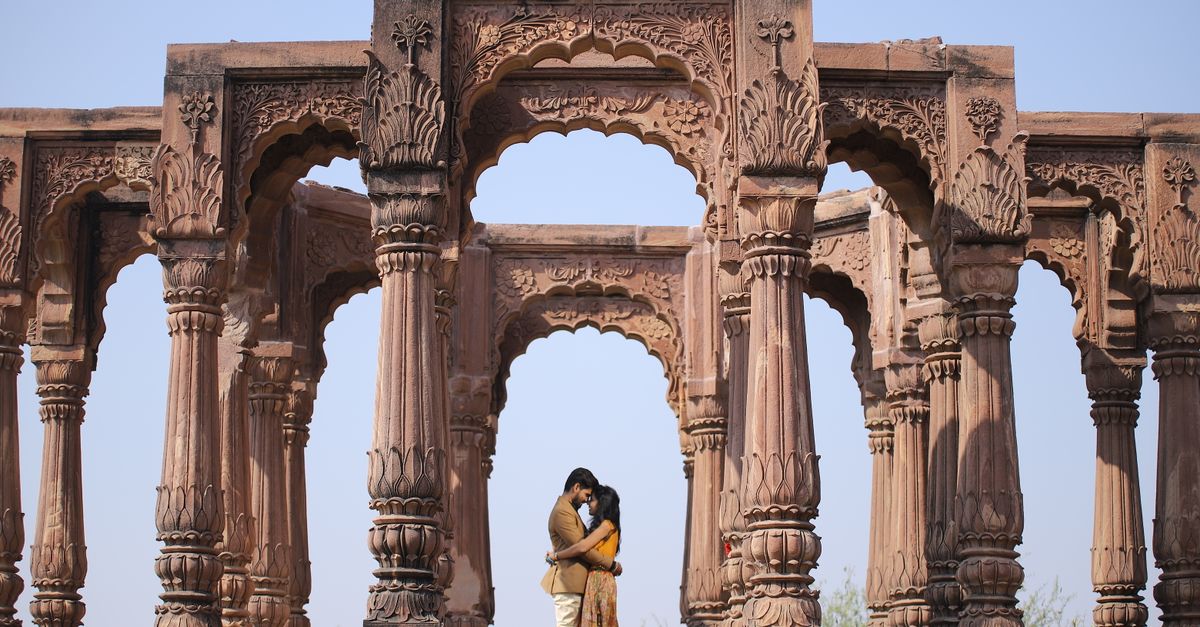
- Event brings together arts, design, culture, and heritage in Jodhpur
- Scheduled for October with multiple activities and exhibits
- Aims to highlight the city's cultural richness and creative talent
A Cultural Convergence in the Blue City
Jodhpur, the historic Blue City of Rajasthan, is set to transform into a vibrant hub of creativity this October. The event promises a confluence of arts, design, culture, and heritage, drawing visitors and participants from across the country.
The city, known for its majestic Mehrangarh Fort and bustling bazaars, will host a series of exhibitions and interactive sessions. Organisers have designed the programme to reflect Jodhpur's unique blend of tradition and modernity.
Exhibitions and Workshops
Visitors can expect a range of visual art displays, from traditional Rajasthani miniatures to contemporary installations. The event will also feature design showcases, highlighting both local craftsmanship and innovative new work.
Workshops led by artists and designers will offer hands-on experiences. Topics include block printing, pottery, and jewellery design, giving attendees a chance to learn directly from skilled practitioners.
Performances and Cultural Shows
Evenings will come alive with music and dance performances. Folk artists from the region will present traditional ballads and dances, while contemporary musicians will blend genres for a modern audience.
Storytelling sessions, focusing on Jodhpur's rich history and folklore, are also on the schedule. These are expected to appeal to both children and adults, bringing the city's past into the present.
Heritage Walks and Architectural Tours
For those interested in history, guided heritage walks will explore the narrow lanes of the old city. Tourists can discover hidden havelis, stepwells, and temples that tell the story of Jodhpur's evolution.
The event will also include talks on conservation and architecture. Experts will discuss the challenges and successes of preserving Jodhpur's built heritage in a rapidly changing urban landscape.
Local Artisans and Designers Take Centre Stage
A dedicated marketplace will showcase the work of local artisans and designers. From handwoven textiles to lacquerware and silver jewellery, the range of products underscores the region's artisanal wealth.
Organisers have emphasised that the event is not just a tourist attraction but a platform for local talent to gain wider recognition. Many of the participants are small-scale producers who rarely get such exposure.
Food stalls will offer Rajasthani cuisine, from dal baati churma to gatte ki sabzi, adding a culinary dimension to the cultural experience.
What to Watch For
As Jodhpur gears up for this multi-day festival, the focus remains on creating a dialogue between the past and the present. The event's success could set a template for similar cultural initiatives in other heritage cities across India. Attendance figures and participant feedback in the coming weeks will indicate whether this confluence truly resonates with the public.