NASA-ISRO Satellite Passes Checkouts, Science Data Expected Soon
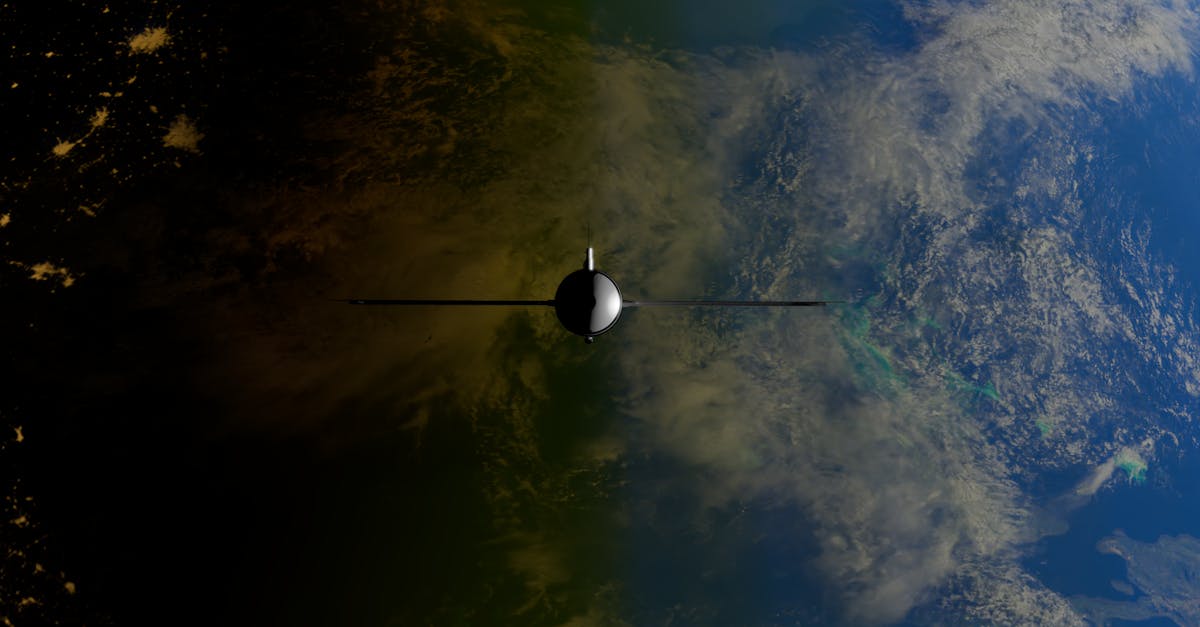
- The NASA-ISRO satellite has successfully completed its post-launch checkout phase.
- All instruments on board are functioning as expected.
- The mission is on track to begin delivering scientific data in the coming weeks.
Mission Checkouts Complete
The joint NASA-ISRO satellite mission has cleared its post-launch checkout phase. Engineers have confirmed that all systems and instruments are functioning as designed. The spacecraft is now ready to begin its primary science operations.
This milestone comes weeks after the satellite was launched from India's Satish Dhawan Space Centre. The checkout process involved a series of tests to verify the health of the spacecraft's communications, power, and thermal control systems.
Instruments in Good Health
Each of the mission's science instruments has been switched on and calibrated. The synthetic aperture radar, designed to observe Earth's surface, is sending back clear test images. The other payloads, including a radiometer and a scatterometer, have also passed their initial checks.
NASA and ISRO engineers have been working around the clock to ensure the satellite is ready for its science phase. The teams have reported no major anomalies during the checkout period.
What the Mission Will Study
The satellite is designed to observe Earth's land, ice, and coastal regions. Its main goal is to measure changes in the planet's surface over time. This data will help scientists track deforestation, monitor glacier melt, and map urban expansion.
The mission is also expected to provide crucial inputs for disaster management. The radar can see through clouds and darkness, making it useful for assessing flood damage or landslide risks.
Next Steps
With checkouts complete, the mission team will now focus on fine-tuning the satellite's orbit and instrument settings. The first batch of science data is expected to be released to the public within the next month.
This collaboration between NASA and ISRO is a significant milestone for both space agencies. It demonstrates how international partnerships can advance Earth observation and climate science.
Data from the mission will be shared freely with the global scientific community. Researchers in India and the United States are already planning studies that will use the satellite's observations.
Officials have not yet confirmed the exact date for the start of routine science operations. But they have indicated that it will happen in the coming weeks, barring any unforeseen issues.
The next milestone will be the release of the first calibrated science images. Those images will give the world a preview of the mission's capabilities and the kind of data it will provide over its planned lifespan.