New Zealand confirms second H5 bird flu case in native bird
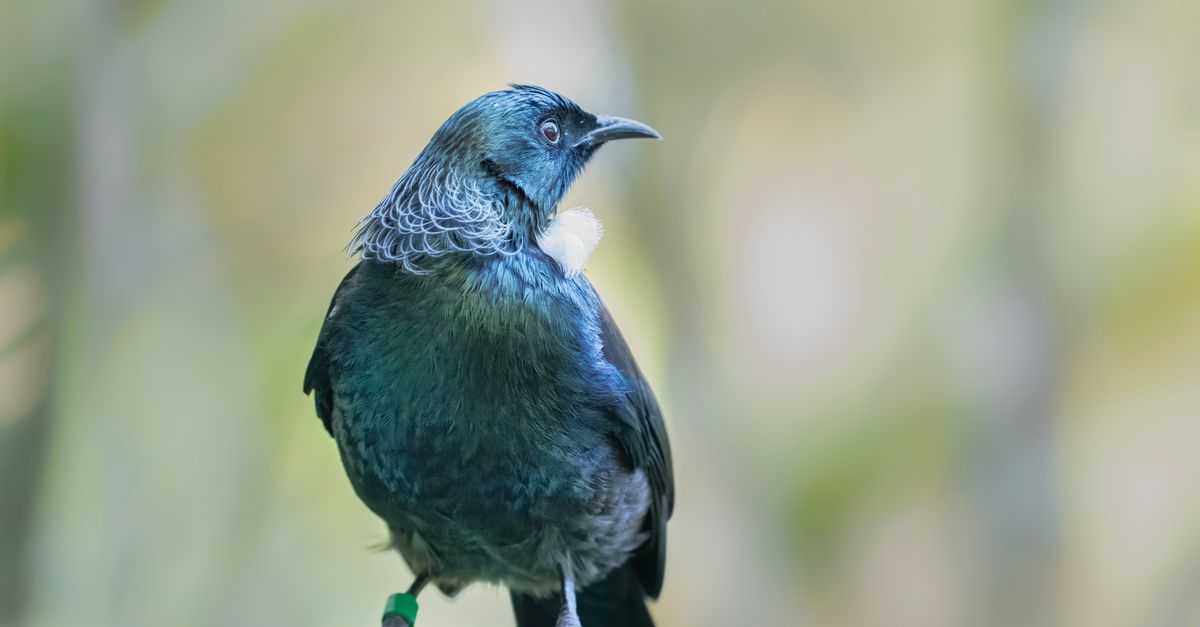
- A second case of H5 bird flu has been confirmed in a native bird in New Zealand.
- The detection follows the country's first case reported weeks earlier.
- Authorities have paused duck feeding in some areas as a precautionary measure.
- Australia's H5N1 detections have risen to 17, indicating wider regional spread.
Second detection in native bird
New Zealand has confirmed a second case of H5 bird flu in a native bird, just weeks after the country reported its first-ever detection of the virus. The latest case was found in a local bird species, although authorities have not yet specified the exact location or species involved.
The discovery underscores the challenge of keeping the highly pathogenic avian influenza out of New Zealand's unique ecosystem. Officials are now racing to determine the extent of the virus's presence among wild bird populations.
Biosecurity measures tightened
The confirmation has prompted immediate biosecurity responses. In some areas, duck feeding has been put on hold as a precautionary step to reduce the risk of further transmission. Local councils and conservation groups are advising the public to avoid contact with sick or dead birds.
New Zealand's Ministry for Primary Industries is conducting surveillance in areas near the detection site. Testing of other wild birds in the vicinity is underway to assess whether the virus has spread beyond the single case.
Regional context: Australia's cases climb
The New Zealand case comes as Australia reports its own avian flu situation worsening. Australian detections of H5N1 have increased to 17, according to the Avian Flu Diary. Most detections there have been in wild birds, though some poultry farms have also been affected.
Experts say the simultaneous detections across the Tasman Sea suggest the virus is circulating more widely in the region than previously thought. Migratory bird patterns are a likely pathway for the virus's spread between countries.
Risk to humans remains low
Health officials in New Zealand have stated that the risk to the general public remains low. There have been no confirmed human cases linked to this outbreak. However, they advise people handling birds or visiting poultry farms to observe strict hygiene measures.
The Science Media Centre has quoted experts urging calm but caution. The strain detected is a high-pathogenicity avian influenza, which can cause severe illness in birds but does not easily infect humans.
New Zealand's first case, reported in late June, was also in a wild native bird. The second detection so soon after that has heightened concern among conservationists, as many of the country's native bird species are already endangered.
What to watch next
Surveillance teams are expected to release more details on the species and location in the coming days. Whether further cases emerge will determine if New Zealand moves to cull local bird populations or impose broader restrictions on poultry movements.