Operation Sindoor: Key Military Takeaways for India's Future Conflicts
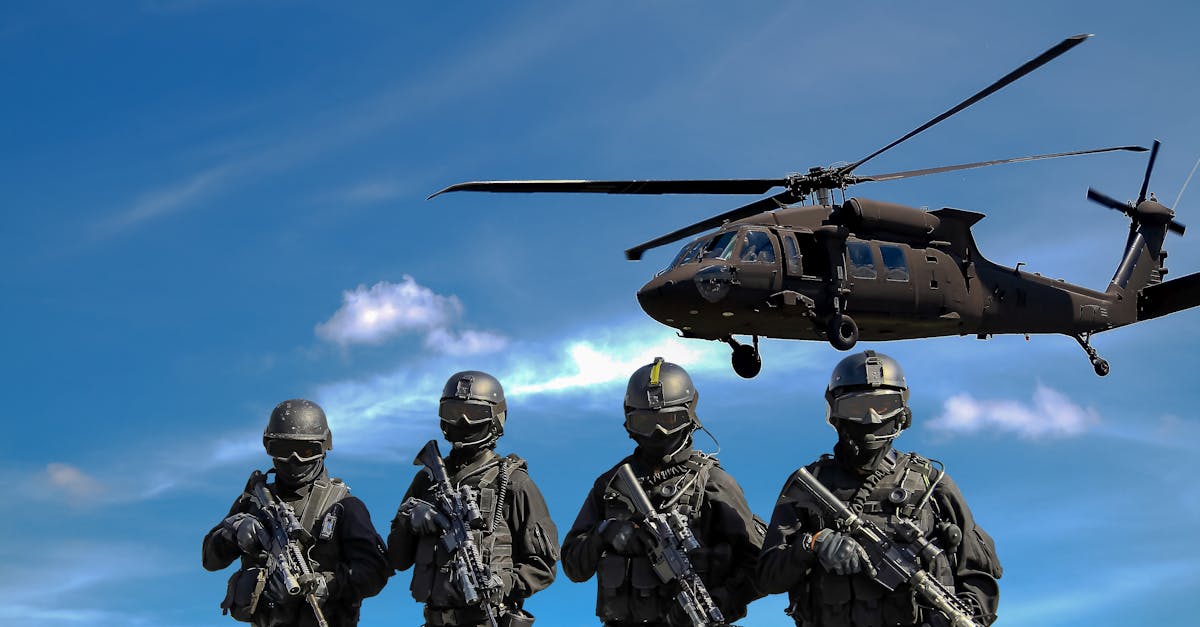
- Operation Sindoor highlighted the need for integrated joint operations among the three services.
- Electronic warfare and cyber capabilities proved decisive in the conflict.
- Precision strike doctrine and real-time intelligence were game-changers.
Operation Sindoor: A Turning Point in Military Doctrine
The Indian military's recent Operation Sindoor has drawn intense scrutiny from global defence analysts, with the Carnegie Endowment for International Peace releasing a detailed assessment of the campaign. The operation, conducted earlier this year, is being studied as a template for modern, multi-domain warfare in the South Asian context.
Carnegie's report, based on interviews with military planners and open-source intelligence, identifies several transformative lessons. For the Indian armed forces, the operation was not just a tactical success but a validation of years of doctrinal reforms aimed at jointness and technological integration.
Jointmanship: From Theory to Practice
The most significant takeaway is the effective integration of the Army, Navy, and Air Force under a unified theatre command. Unlike past operations where inter-service coordination was often ad hoc, Operation Sindoor saw real-time sharing of targeting data and battle damage assessment across all three services.
Naval assets provided precision strike capabilities from the sea, while the Air Force executed deep-penetration strikes against hardened targets. Ground forces were used for rapid exploitation of gaps created by aerial and naval bombardments. This seamless cooperation reduced response times and multiplied combat effectiveness.
Carnegie analysts note that this level of jointmanship required years of combined training and investment in secure communication networks. The operation proved that India's military can now fight as a single entity rather than three separate arms.
Electronic Warfare and Cyber Dominance
A central feature of the operation was the aggressive use of electronic warfare (EW) and cyber attacks to paralyse enemy command and control. Indian forces jammed radar systems, disrupted communication grids, and blinded enemy surveillance networks before the first kinetic strike.
The report highlights that India's cyber units successfully targeted the adversary's financial networks and power grids, creating strategic paralysis without a single bullet being fired in those domains. This multi-domain approach forced the enemy to fight blind and disorganised.
Carnegie emphasises that future conflicts will be won or lost in the electromagnetic spectrum. India's investment in homegrown EW systems and cyber capabilities paid rich dividends during the operation.
Precision Strikes and Real-Time Intelligence
The operation showcased India's growing ability to conduct precision strikes at scale. Cruise missiles, smart bombs, and loitering munitions were used to destroy high-value targets with minimal collateral damage. This was made possible by a robust intelligence, surveillance, and reconnaissance (ISR) network that included satellites, drones, and human intelligence.
Real-time targeting data was fed directly to shooters, compressing the sensor-to-shooter loop from hours to minutes. The report notes that this capability allowed Indian forces to strike mobile missile launchers and command posts before they could relocate.
However, analysts caution that such dependence on technology also creates vulnerabilities. Adversaries could attempt to blind India's ISR network with counter-space weapons or sophisticated jamming. Maintaining redundancy in surveillance assets is now a strategic imperative.
The Human Factor and Logistics
Beyond technology, the operation underscored the importance of training and morale. Soldiers, sailors, and airmen operated in demanding conditions with high levels of professionalism. The logistics chain, often the Achilles' heel of large-scale operations, functioned efficiently thanks to pre-positioned stocks and digitised supply management.
Carnegie's report also points out that the military's civil-military coordination was effective, with local administrations providing support for troop movements and casualty evacuation. This holistic approach to warfare, the report argues, is a lesson for other nations.
What happens next: The Indian military is expected to codify these lessons into updated joint doctrines and procurement priorities. Future conflicts will likely see even greater reliance on space-based assets, artificial intelligence for targeting, and integrated air defence networks. The era of single-service operations is decisively over.