US Army to screen all male soldiers for low testosterone: Experts flag fertility risks
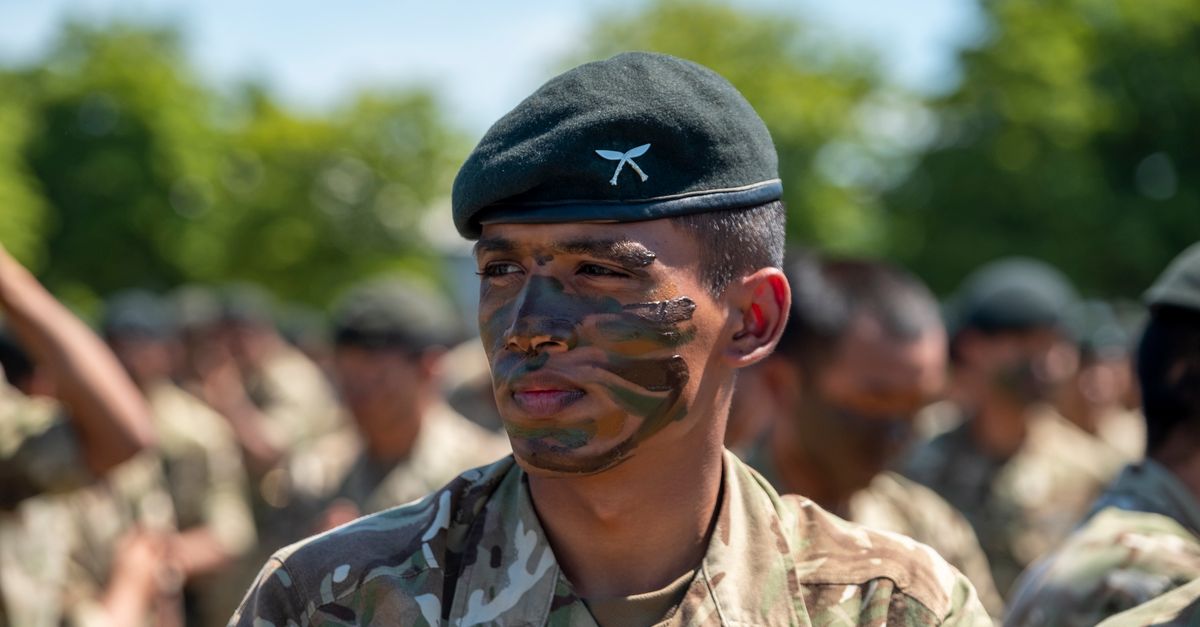
- US Army announces mandatory testosterone screening for all male personnel.
- Endocrinologist Dr David Chandy explains testosterone therapy and its benefits.
- Health experts and the BBC report warnings about potential fertility risks from treatment.
- Pentagon spokesman Sean Parnell confirms the enhanced screening protocol.
- Policy follows public claims by officials about building a 'high-testosterone military'.
Pentagon mandates universal screening for male troops
The United States Department of War has announced a new protocol requiring all male soldiers to undergo screening for testosterone deficiency. Chief Pentagon Spokesman Sean Parnell issued a statement confirming the 'Enhanced Screening Protocol to Opt' that will be implemented across all branches of the military.
The move is part of a broader push by defense officials to assess and optimise the physical readiness of the force. It follows public remarks by Secretary of Defense Pete Hegseth, who has touted the vision of a 'high-testosterone military'.
Endocrinologist explains therapy and risks
Dr David Chandy, an endocrinologist, has explained the basics of testosterone therapy in the context of this new military directive. He outlined that the treatment is typically used for men with clinically low levels of the hormone, which can cause fatigue, reduced muscle mass, and low libido.
However, Dr Chandy and other health experts have also flagged significant risks. The BBC reports that doctors are warning about potential fertility problems linked to the therapy. Exogenous testosterone can suppress the body's own production of sperm, a concern for soldiers who may wish to start families.
Medical community questions scientific basis
The Washington Post has reported that while Secretary Hegseth promotes the benefits of high testosterone, doctors are questioning the scientific claims behind the policy. Experts argue that blanket screening and treatment may not improve combat performance and could expose healthy soldiers to unnecessary medical interventions.
Critics point out that low testosterone is a complex medical condition, not a simple metric of soldierly vigor. The decision to screen all male personnel, regardless of symptoms, has raised eyebrows among military medical staff.
White House culture war enters military health policy
The announcement has drawn commentary linking it to broader cultural debates. Columnist Marina Hyde, writing in The Guardian, satirised the White House's 'guide to manhood' as involving testosterone therapy and aggressive posturing, calling the policy part of a larger culture war narrative.
The protocol appears to align with a political push to redefine military masculinity. While the Pentagon frames it as a health readiness initiative, the surrounding rhetoric has made it a flashpoint for debates about gender, performance, and medical ethics in the armed forces.
Officials have not yet confirmed the exact thresholds for deficiency or the timeline for the rollout. The Department of War has stated that full implementation details will be released in the coming weeks.
Military families and medical professionals are watching closely for further guidance on how the screening will be conducted and what options soldiers will have if they are diagnosed with low testosterone.