Alternaria disease hits apple orchards in upper Shimla again
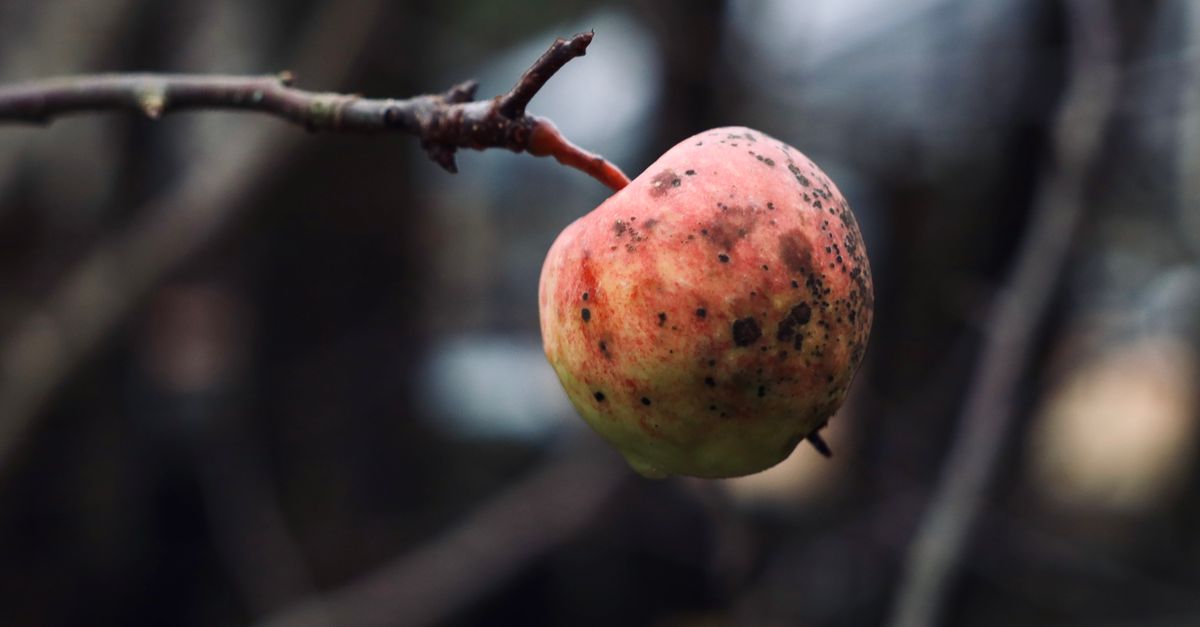
- Alternaria disease detected again in apple orchards of upper Shimla region.
- Fungus affects leaves and fruits, reducing yield and quality.
- Horticulture department advises fungicide sprays and orchard sanitation.
Disease resurfaces in apple growing areas
Alternaria leaf spot disease has made a comeback in the apple orchards of upper Shimla in Himachal Pradesh. Horticulture officials confirmed the presence of the fungal infection in several blocks, prompting advisories for growers.
The disease, caused by the fungus Alternaria mali, primarily targets the leaves. It manifests as small, dark brown to black spots that enlarge and merge, leading to premature defoliation. In severe cases, the fruit itself develops sunken lesions, making it unmarketable.
Weather conditions favour spread
Officials attribute the resurgence to the prevailing weather pattern. Continuous overcast skies and intermittent light showers have created high humidity levels, conditions ideal for spore germination and spread.
Growers in the affected areas report seeing the first signs of infection in early July. The disease is moving faster than in previous years, they say, and has already covered a significant portion of leaf area in some orchards.
Advisory for growers
The state horticulture department has issued an advisory recommending immediate fungicide application. It has suggested a mix of contact and systemic fungicides, with proper rotation to avoid resistance buildup.
Orchard sanitation is being stressed as a preventive measure. Farmers are advised to prune infected twigs, remove fallen leaves, and ensure adequate spacing between trees for better air circulation.
“Alternaria is a recurring problem in our apple belt,” a senior horticulture officer said. “We are monitoring the situation closely and have alerted all field staff to assist farmers.”
Impact on apple production
The return of Alternaria comes at a critical time for apple growers. The region is still recovering from the economic impact of erratic weather and pest outbreaks in recent seasons. A severe Alternaria attack could further reduce the crop load and fruit quality.
Apple is a major cash crop for Himachal Pradesh. Upper Shimla, with its high-altitude orchards, produces some of the best quality apples in the state. Growers are worried that a prolonged disease cycle could affect their main harvest in August and September.
The department has not yet estimated the total area under infection. Surveys are ongoing, and a detailed assessment is expected in the coming days.
What to watch
Horticulture officials will conduct a fresh round of field inspections next week to gauge the spread. The focus will be on advising timely fungicide sprays and ensuring availability of recommended chemicals at local agricultural input centres.