Ambubachi Mela: Goddess Kamakhya's menstruation, temple closure ritual explained
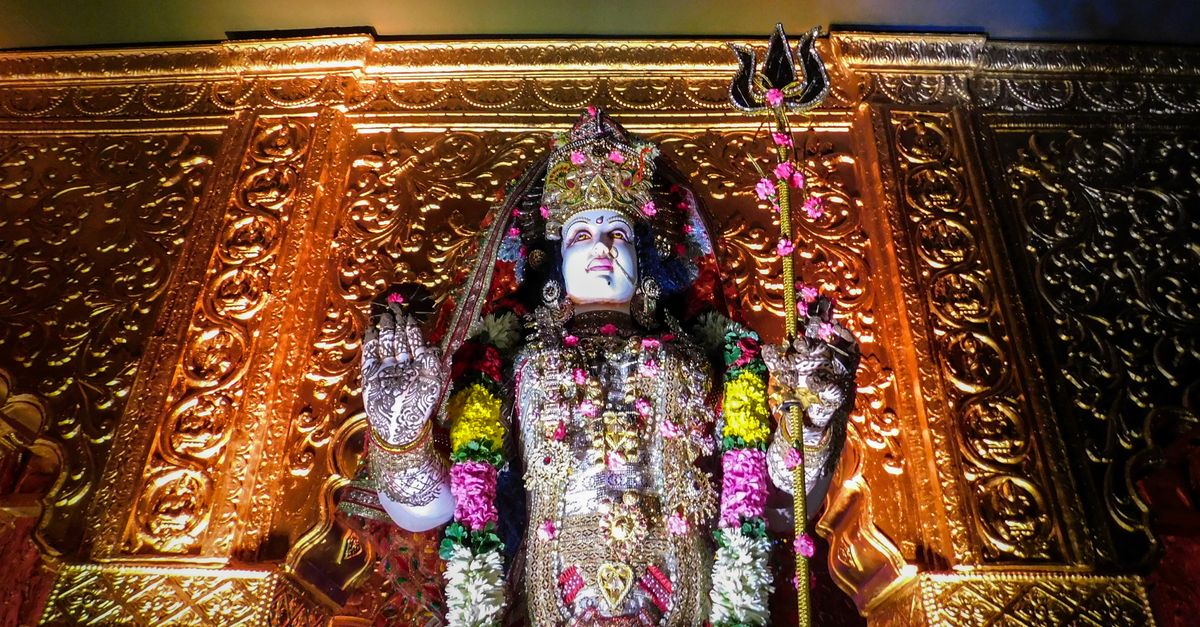
- Ambubachi Mela is an annual Hindu festival at the Kamakhya temple in Guwahati, Assam.
- It marks the menstruation of Goddess Kamakhya, during which the temple is closed for three days.
- The festival is a celebration of feminine energy (Shakti) and the cycle of creation.
- Devotees believe the goddess undergoes her annual cycle, during which no worship is performed.
- The temple reopens on the fourth day with special rituals and a large fair.
The Kamakhya temple in Guwahati, Assam, is preparing for its most significant annual event — the Ambubachi Mela. For three days, the temple doors will remain shut. No prayers will be offered. No rituals performed.
The reason is rooted in a belief that goes to the heart of Hindu tantric tradition. Goddess Kamakhya, the presiding deity, is believed to be menstruating during this period. The temple suspends all worship to honour this natural cycle.
The legend behind the closure
According to mythology, when Goddess Sati immolated herself in the yagna fire of her father Daksha, a grieving Shiva carried her body across the universe. Vishnu used his discus to cut the body into pieces. Where Sati's womb and genitals fell, the Kamakhya temple now stands.
This location, say scholars, is the reason the goddess is worshipped here as the embodiment of feminine creative energy. The annual menstruation is seen as a reaffirmation of her power of creation.
What happens during the three days
The temple closes on the seventh day of the Hindu month of Ashadha. The main sanctum is sealed. Priests do not enter. No offerings are accepted.
Outside, however, the atmosphere is anything but quiet. Thousands of sadhus, tantrics and devotees gather. Many belong to esoteric sects that venerate the goddess in her most primal form.
The red silk cloth covering the deity is changed only after the three days end. On the fourth morning, the temple reopens with elaborate rituals. Prasad — usually red-coloured cloth, vermilion and holy water — is distributed.
Why devotees throng to the mela
For many Hindus, especially those in the Shakta tradition, the Ambubachi Mela is not about defilement. It is about respect. Menstruation, they argue, is not impurity but a symbol of fertility and life-giving power.
Devotees believe that during these three days, the goddess grants special boons. Tantrics perform sadhana in the temple premises. The fair that accompanies the mela draws lakhs of visitors from across India and abroad.
Local authorities set up temporary camps. The Assam government deploys additional security. The festival has grown into one of the largest religious gatherings in the northeast.
Questions of caste and gender
The festival also prompts debate. Some conservative Hindu groups object to the very idea of a menstruating goddess. Others counter that the tradition predates modern notions of purity.
Women devotees, particularly those who follow tantric paths, see it as a rare validation. In a society where menstrual taboos remain strong, a temple that openly celebrates the cycle is seen as radical.
Scholars note that the Ambubachi Mela offers a glimpse into a different strand of Hinduism — one where the goddess is not a demure figure but a raw, creative force.
The temple trust has not commented on any plans to alter the ritual. The three-day closure remains unchanged year after year.
As the mela approaches, organisers expect a turnout in the range of 20 to 25 lakh pilgrims over the four days. The reopening ceremony will be broadcast live on local channels. For now, the temple stands silent, waiting for the goddess to complete her cycle.