Banyan Tree Dubai Redefines Luxury Wellness Travel in the UAE
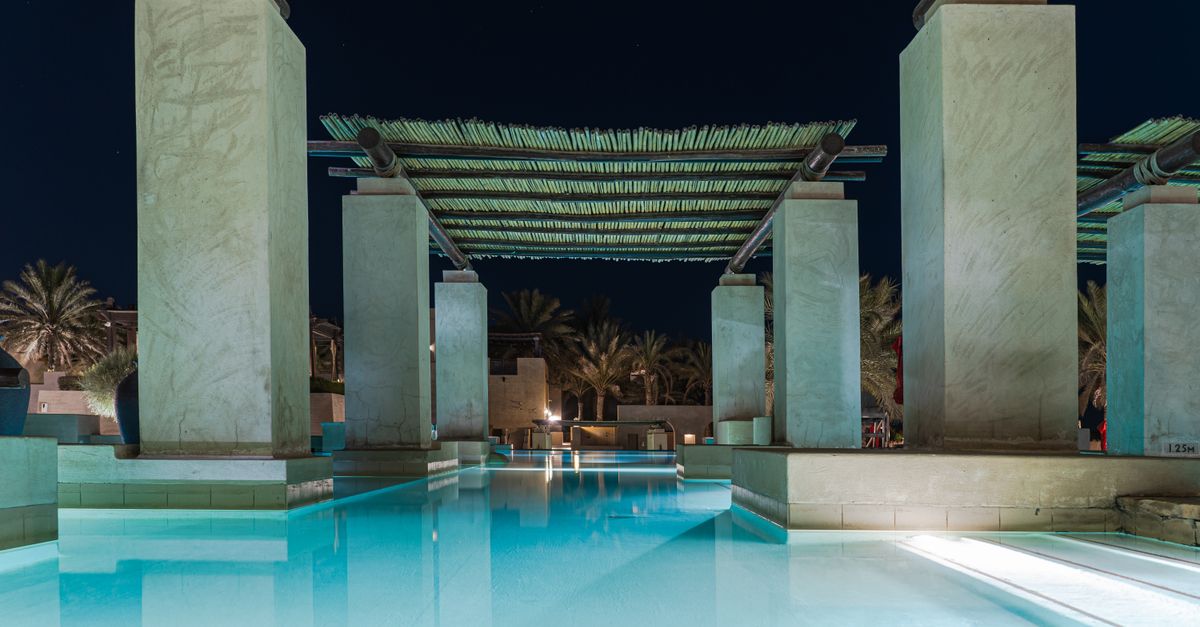
- Banyan Tree Dubai positions itself as a leader in luxury wellness travel.
- The resort integrates holistic wellness with opulent accommodations and dining.
- Its spa and wellness programmes draw on traditional Asian and local practices.
A New Benchmark in Wellness Hospitality
Banyan Tree Dubai has opened its doors, marking a significant shift in how luxury travel is perceived in the region. The resort is not just another five-star property; it is a deliberate move into the growing niche of wellness tourism. Located along the coastline, the property blends modern design with natural elements, aiming to offer guests more than just a place to stay.
The brand, known for its Asian heritage, is bringing its signature philosophy of sanctuary to the Middle East. This launch comes at a time when travellers are increasingly seeking experiences that prioritise mental and physical well-being over mere indulgence.
Holistic Wellness at the Core
The spa at Banyan Tree Dubai is the centrepiece of the resort's offering. It features a range of treatments that combine ancient Asian healing techniques with local Arabian ingredients. Guests can expect therapies that use essential oils, herbal compresses, and personalised wellness plans.
Beyond the spa, the property includes a dedicated wellness centre offering yoga, meditation, and fitness programmes. The approach is immersive, encouraging guests to adopt healthier routines during their stay. The resort also offers nutritional consultations and detox programmes, making it a comprehensive wellness destination.
Accommodation and Dining
The rooms and villas are designed to maximise natural light and provide direct access to private pools or the beach. Each space incorporates sustainable materials and local art, creating a sense of place. The emphasis is on space and privacy, with many villas featuring their own gardens and outdoor showers.
Dining at the resort focuses on fresh, locally sourced ingredients. Multiple restaurants serve cuisines ranging from Arabian to Asian, with a strong emphasis on health-conscious menus. The chefs work with nutritionists to create dishes that are both flavourful and beneficial for well-being.
The Growing Demand for Wellness Travel
The launch of Banyan Tree Dubai reflects a broader trend in the luxury travel industry. Post-pandemic, more high-net-worth individuals are prioritising health and longevity. The global wellness tourism market is expanding rapidly, and the UAE is positioning itself as a key destination.
Dubai already attracts millions of tourists annually, but the addition of a dedicated wellness resort fills a gap in the market. Banyan Tree is banking on the idea that travellers want more than shopping and nightlife; they want restoration. The resort is targeting both international visitors and local residents looking for a staycation that focuses on self-care.
What to Expect Next
Banyan Tree Dubai is expected to set a new standard for luxury wellness in the region. As the property ramps up its programmes, it will likely attract a clientele that values exclusivity and health. The resort's success could encourage other luxury brands to follow suit, further transforming Dubai's hospitality landscape.
The coming months will reveal how the resort differentiates itself in a competitive market. For now, it stands as a bold statement that wellness is no longer an afterthought in luxury travel—it is the main event.