Belly Fat and Insulin Resistance: 3 Eating Mistakes to Avoid, Says Nutritionist
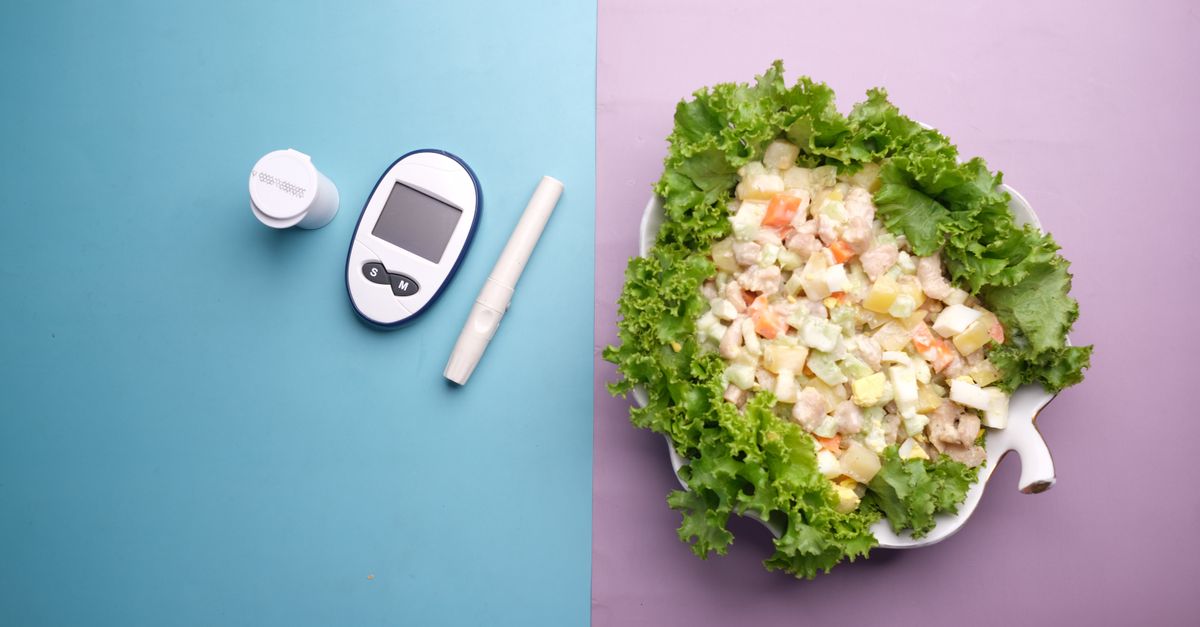
- Eating too frequently can spike insulin and prevent fat burning, says a nutritionist.
- High-sugar breakfasts and constant snacking are linked to visceral fat storage.
- Simple changes like meal spacing and cutting refined carbs can improve insulin sensitivity.
The Hidden Link Between Your Plate and Belly Fat
Stubborn belly fat that refuses to budge despite dieting and exercise often has little to do with willpower. According to a nutritionist, the real culprit may be insulin resistance — a metabolic condition driven by specific eating patterns.
Insulin is the hormone that tells your cells to absorb glucose from the blood. When you constantly spike insulin through poor food choices, your cells stop responding properly. The body then stores the excess glucose as fat, particularly around the abdomen.
Mistake #1: Eating Too Frequently
One of the most common mistakes, the nutritionist says, is eating multiple small meals throughout the day. While this approach is often promoted for metabolism, it keeps insulin levels elevated continuously.
“Your body needs periods of low insulin to tap into fat stores,” the expert explains. Constant snacking — even on healthy foods — prevents this fat-burning window from opening. The result? Your body never gets the signal to burn stored belly fat.
The fix is simple: space your meals 4 to 5 hours apart and avoid eating within three hours of bedtime. This gives insulin time to drop and allows your body to access fat reserves.
Mistake #2: The Wrong Breakfast
Many people start their day with foods that sabotage their insulin levels. Sugary cereals, white bread toast, fruit juices, and even flavoured yoghurts cause a rapid spike in blood sugar.
“A high-carb breakfast sets you up for cravings and energy crashes by mid-morning,” the nutritionist warns. This pattern reinforces insulin resistance over time, making belly fat harder to lose.
Instead, the recommendation is a protein-rich breakfast — eggs, Greek yoghurt, or a smoothie with protein powder and healthy fats. This keeps blood sugar stable and insulin low for hours.
Mistake #3: Mindless Refined Carbs and Sugars
Refined carbohydrates — white rice, maida-based breads, pasta, and sugary snacks — are absorbed quickly, causing a sharp insulin spike. The nutritionist points out that even seemingly healthy options like brown rice or whole wheat roti can be problematic if eaten in large portions.
“Portion control is key, even with complex carbs,” she says. The body can handle small amounts of carbs, but large servings overwhelm the system and promote insulin resistance.
The advice is to fill half your plate with non-starchy vegetables, a quarter with protein, and only a quarter with whole grains or legumes. This balance keeps insulin in check.
What to Watch Next
Experts continue to emphasise that belly fat loss requires a metabolic shift, not just calorie cutting. The nutritionist suggests trying a two-week experiment: cut out all added sugars and refined grains, and eat only two or three meals a day without snacks. Many people see a noticeable reduction in bloating and waist size.
If stubborn belly fat persists despite these changes, a doctor should check for underlying conditions like PCOS or thyroid issues, which also influence insulin sensitivity.