Climate Risks Reshape Asia-Pacific: Water, Weather, and Warning Gaps
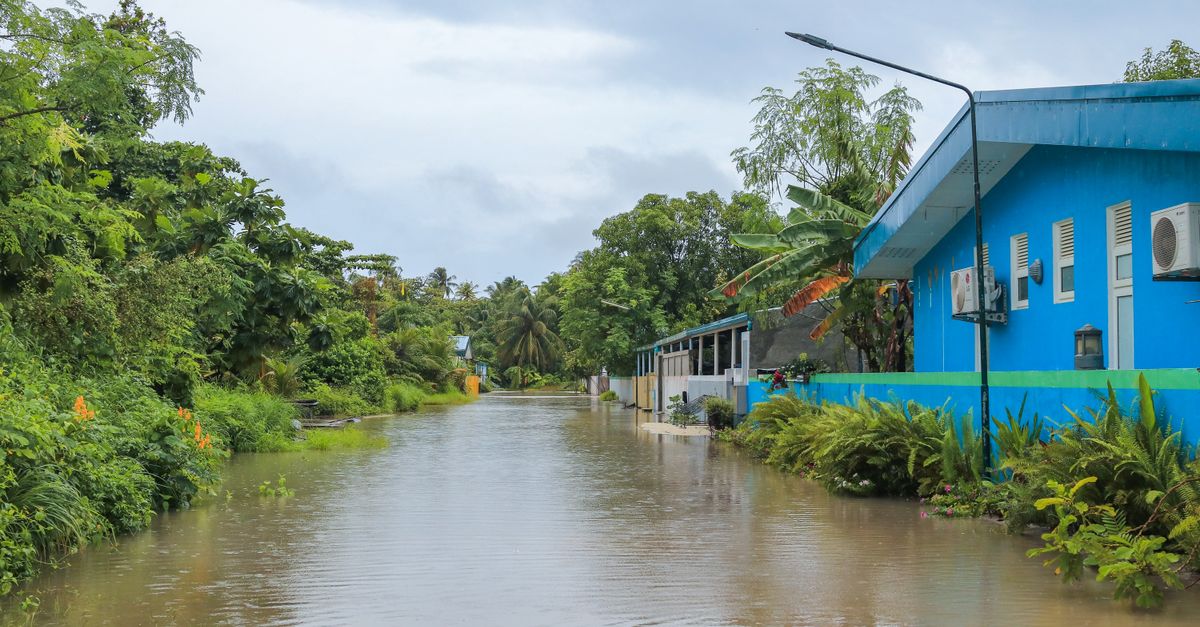
- Extreme weather and water-related hazards are increasing in frequency and severity across Asia-Pacific.
- Early warning systems remain insufficient, especially in vulnerable and developing nations.
- Economic losses from climate disasters are rising, threatening food security and livelihoods.
- Transboundary cooperation on water management and disaster risk reduction is urgently needed.
Shifting Risks in a Vulnerable Region
The Asia-Pacific region is confronting a rapidly changing climate landscape, with weather, water, and climate-related hazards becoming more frequent and intense. A new report from the United Nations Economic and Social Commission for Asia and the Pacific (ESCAP) highlights how these shifts are reshaping the 'riskscape' for billions of people.
From heatwaves in South Asia to cyclones in the Pacific, the report paints a stark picture of growing exposure. It warns that without urgent action, the region's development gains could be reversed.
Water Stress and Extreme Events
Water-related hazards are a central concern. Floods, droughts, and glacial lake outbursts are hitting harder and more often. The report notes that changes in monsoon patterns are already disrupting agriculture, affecting food production for millions of farmers.
At the same time, sea-level rise threatens coastal megacities from Mumbai to Jakarta. The combination of intensifying storms and rising seas puts critical infrastructure and entire communities at risk.
Early Warning Gaps
A key finding is the persistent gap in early warning systems. While some countries have invested in modern forecasting, many least developed and small island states lack the capacity to issue timely alerts. This leaves populations exposed when disasters strike.
ESCAP calls for scaling up investment in early warning for all, a goal aligned with the UN's global initiative. The report stresses that every dollar spent on warnings can save lives and reduce economic losses many times over.
Economic Toll and Transboundary Action
The economic impact is mounting. Climate-related disasters are costing the region tens of billions of dollars annually. These losses disproportionately affect the most vulnerable, including women, children, and rural communities.
The ESCAP report emphasises that climate risks do not respect borders. Transboundary cooperation on river basin management, data sharing, and disaster response is essential. It points to existing frameworks like the ASEAN Agreement on Disaster Management as models that could be strengthened.
Without coordinated action, the report warns, the region will face cascading risks—where one disaster triggers another, from crop failure to migration to conflict.
What to Watch Next
Governments across Asia-Pacific are expected to review the ESCAP findings at upcoming regional forums. The key question will be whether they commit to closing the warning gap and investing in climate adaptation at the scale needed. The next few years will test the region's ability to turn risk awareness into resilience.