FCC approves giant space mirror despite astronomer warnings
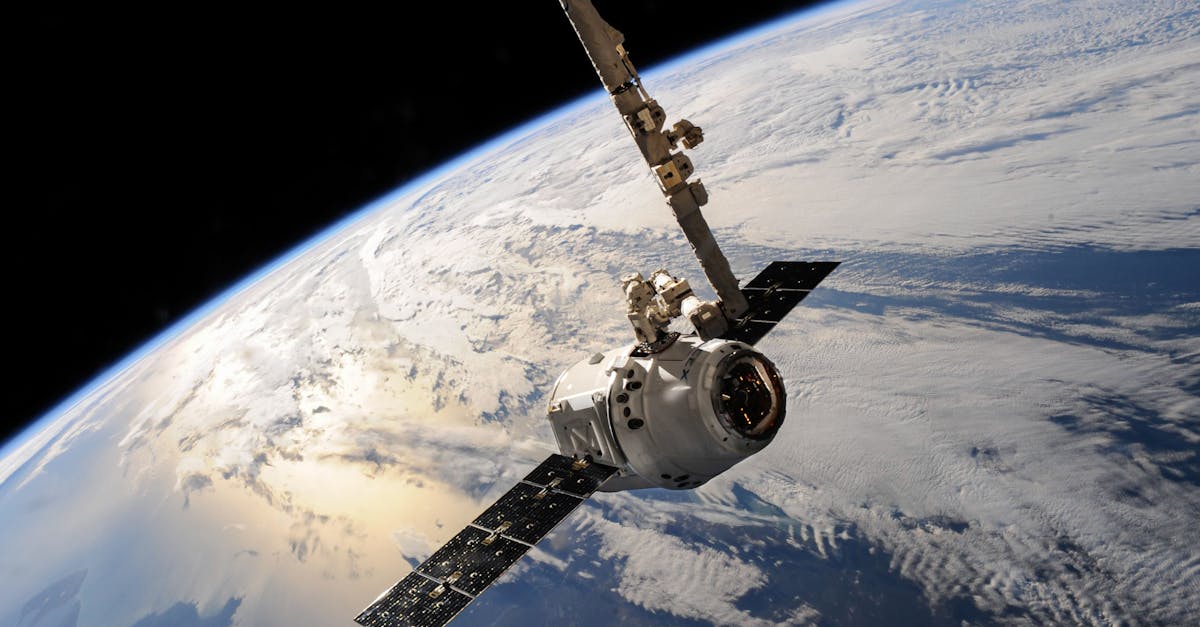
- The FCC greenlit a satellite carrying a large reflective surface to beam sunlight back to Earth after dark.
- Astronomers have warned the mirror will worsen light pollution and interfere with scientific observations.
- The approval has raised questions about who regulates space activities and their terrestrial effects.
Controversial satellite gets green light
The United States Federal Communications Commission has approved the deployment of a giant space mirror capable of reflecting sunlight to illuminate parts of the Earth at night. The decision, reported earlier this week, has reignited a fierce debate over the growing commercialisation of space and its consequences for astronomy.
The satellite, equipped with a large reflective surface, is designed to beam sunlight back to the planet's dark side. Proponents argue it could reduce the need for street lighting in remote areas and lower energy costs. The FCC's approval allows for a test mission, though specific technical details and the launch timeline remain unclear.
Astronomers sound the alarm
Leading astronomers and astrophysicists have publicly opposed the project, warning that even a single bright object in the night sky could disrupt sensitive telescopic observations. The artificial light source risks washing out faint celestial signals, complicating efforts to study distant stars, galaxies, and near-Earth objects.
“This is not just about a pretty light show in the sky. It is about losing our ability to study the universe from the ground,” one researcher told The Brighter Side of News. The concern echoes broader fears over satellite megaconstellations, which have already streaked countless lines across astronomical images.
Light pollution: a growing global issue
The space mirror adds a new dimension to the problem of light pollution, which has long plagued both professional and amateur stargazers. Unlike ground-based lighting, an orbital mirror can affect vast areas simultaneously, potentially brightening the sky over entire continents.
Environmental groups have also voiced concerns about the impact on nocturnal wildlife, which relies on natural darkness for navigation, feeding, and reproduction. The FCC's approval process did not include a comprehensive environmental review, according to reports.
Who controls space?
The decision has prompted deeper questions about regulatory authority over activities in orbit. While the FCC oversees communications and orbital licences for US-based operators, critics argue that the agency lacks the mandate to weigh broader societal and scientific costs.
“The approval of a space mirror without meaningful consultation with the scientific community sets a dangerous precedent,” a Scientific American analysis noted. The question of who is really in charge of space — national regulators, international bodies, or private companies — remains unanswered.
The project's backers have downplayed the risks, insisting the mirror will be visible only as a faint point of light. However, simulations by independent researchers suggest the reflected beam could be significantly brighter than a full moon in its intended coverage zone.
What happens next
The test launch is expected within the next 18 months, pending final safety and orbital debris assessments. Astronomers are urging the FCC and international space agencies to adopt binding brightness limits for all orbital objects. The outcome of this test could determine whether more such mirrors follow — or whether the night sky as we know it changes forever.