Hyderabad’s forgotten heritage: Unearthing history one discovery at a time
- Amateur historians and locals are discovering forgotten heritage sites across Hyderabad.
- Recent finds include a medieval stepwell and a colonial-era bridge, both neglected for decades.
- Experts call for better documentation and protection of these unmarked historical treasures.
On a busy street in the old quarters of Hyderabad, a group of college students stopped to photograph a crumbling stone arch. To most passersby, it was just another forgotten structure. To the students, it was a piece of history waiting to be rediscovered.
This scene is playing out across the city. A quiet movement of citizen-archaeologists, history enthusiasts, and local residents is unearthing heritage that official surveys have long overlooked. From a medieval stepwell hidden behind a row of shops to a colonial-era bridge nearly swallowed by undergrowth, Hyderabad’s forgotten past is slowly being brought back into the light.
A stepwell that survived the decades
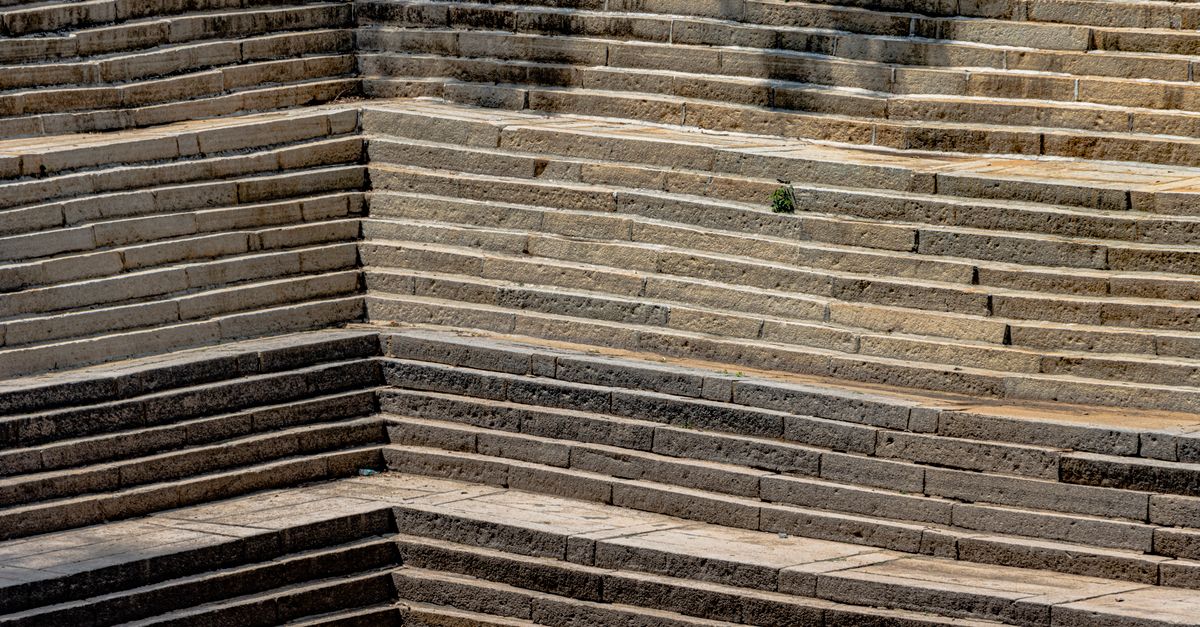
Last month, a team of amateur historians documented a stepwell in the Begumpet area. The structure, carved from granite, had been used as a dumping ground for years. Locals said it was built during the Qutb Shahi period, but no official plaque marks the spot.
“We found it after a shopkeeper mentioned an old well behind his store,” said one of the researchers, who asked not to be named. “It was choked with plastic and debris. But the stonework was intact.” The team has since cleaned the area and alerted the state archaeology department.
Such discoveries are not rare. Hyderabad’s rapid urban expansion has often come at the cost of its historical fabric. Buildings rise over old tombs. Roads cut through ancient water channels. Yet, beneath the concrete, fragments of the past remain.
The colonial bridge nobody noticed
In the suburb of Secunderabad, a stone bridge dating to the British Raj was recently spotted by a local photographer. The bridge, arched and made of lime mortar, had been hidden behind a billboard and a thicket of shrubs. It once carried traffic over a now-dry stream.
“I had walked past it for years without a second glance,” the photographer said. “One day, the billboard was removed for repairs, and I saw the structure properly. It was clearly old.” Heritage experts later confirmed it was built in the late 19th century, part of the British military cantonment’s road network.
The bridge is not listed on any heritage register. It remains unprotected, vulnerable to demolition or encroachment.
Why official records miss so much
Hyderabad’s heritage inventory is incomplete. The city has over 600 listed heritage structures, but many more are undocumented. Budget constraints, lack of trained staff, and the sheer pace of development mean that thousands of sites never get catalogued.
“We rely heavily on public tip-offs,” admitted a senior official at the Telangana heritage department, speaking on condition of anonymity. “We cannot be everywhere. Citizens who care about history are our eyes and ears.”
This reliance has its limits. Without official protection, a discovery can quickly become a lost cause. Unauthorised construction, encroachment, and neglect remain constant threats.
A growing network of citizen-archaeologists
Social media has amplified the movement. Facebook groups, WhatsApp chats, and Instagram pages now share photographs and location details of potential heritage sites. Members cross-check historical maps, old photographs, and colonial-era records to verify finds.
One such group, Hyderabad Heritage Hunters, has over 2,000 members. They meet monthly to survey a neighbourhood. “We are not experts,” said a co-founder. “But we are curious. That is enough to start.”
The group’s recent finds include a Mughal-era caravanserai near the old city and a set of rock-cut steps leading to a now-vanished tank. Both were absent from official lists.
What happens next
The state archaeology department says it is working on a digital platform to crowdsource information about unlisted heritage. The platform, expected to launch later this year, will allow citizens to upload images, GPS coordinates, and descriptions of potential sites.
Until then, the work remains largely grassroots. Each discovery adds a new layer to Hyderabad’s story. But the clock is ticking. Every unmarked site is one demolition away from being lost forever.