ICMR study finds nearly 9 in 10 Indian adults have abnormal cholesterol levels
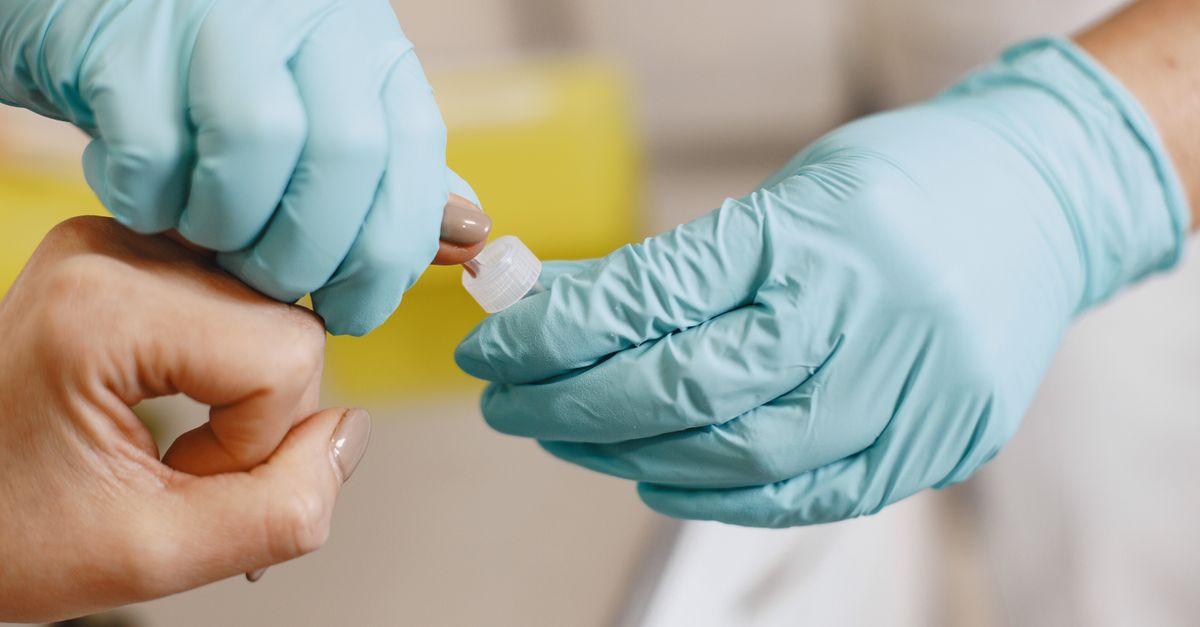
- Nearly 9 in 10 Indian adults have abnormal blood lipid levels, according to ICMR study.
- Condition called dyslipidemia is largely asymptomatic, increasing risk of heart attacks and strokes.
- Study highlights need for widespread screening and lifestyle changes across all age groups.
Silent epidemic: 9 in 10 adults affected
A new study by the Indian Council of Medical Research (ICMR) has thrown up alarming numbers. Nearly 9 in 10 Indian adults have abnormal levels of blood lipids, including high LDL or 'bad' cholesterol. The condition, known as dyslipidemia, often shows no symptoms. But it silently clogs arteries, raising the risk of heart attacks and strokes.
Researchers analyzed data from a large national sample. They found that dyslipidemia is not limited to older adults or the urban rich. It cuts across age groups, genders, and geographies. Rural populations are as vulnerable as urban ones.
What the numbers mean
The study estimates that roughly 88% of Indian adults — that's nearly 9 in 10 — have some form of lipid abnormality. This includes high LDL cholesterol, low HDL (good cholesterol), or high triglycerides.
LDL cholesterol is often called 'bad' because it builds up in artery walls. Over time, this buildup narrows vessels and can trigger blockages. Stroke and heart attack follow. The ICMR report warns that most adults are walking around with elevated risk and don't know it.
Why this crisis is different
India has long battled malnutrition and infectious diseases. But non-communicable diseases like heart disease have overtaken them. This study shows that cholesterol trouble is more widespread than previously thought.
Previous estimates pegged abnormal lipid prevalence at roughly 60-70% in urban adults. The new data suggests the problem is far deeper. Diet shifts toward processed foods, rising sedentary lifestyles, and genetic predisposition are all contributors.
Screening gaps and what experts say
Doctors point out a major gap: most Indians never get their lipid profile tested. Even among those who do, many don't get treated adequately. The ICMR study stresses that routine screening should begin by age 20.
Public health experts say simple lifestyle changes can make a big difference. Reducing intake of fried foods, trans fats, and refined carbs helps. Regular physical activity and weight management are also key. Statins, when prescribed, are effective but underused.
The study authors call for a national awareness campaign. They argue that India cannot afford to ignore this silent burden. The cost of treating heart disease and stroke is far higher than preventive screening and early intervention.
What happens next
The ICMR has submitted the study findings to the health ministry. Policy makers are expected to review screening guidelines for primary health centres. A push for cheaper generic statins and lipid-testing kits in rural areas could follow. For now, experts urge every adult to get a simple blood test — a small step that could save a life.