India's Skyroot Successfully Launches Vikram-1, First Private Orbital Rocket
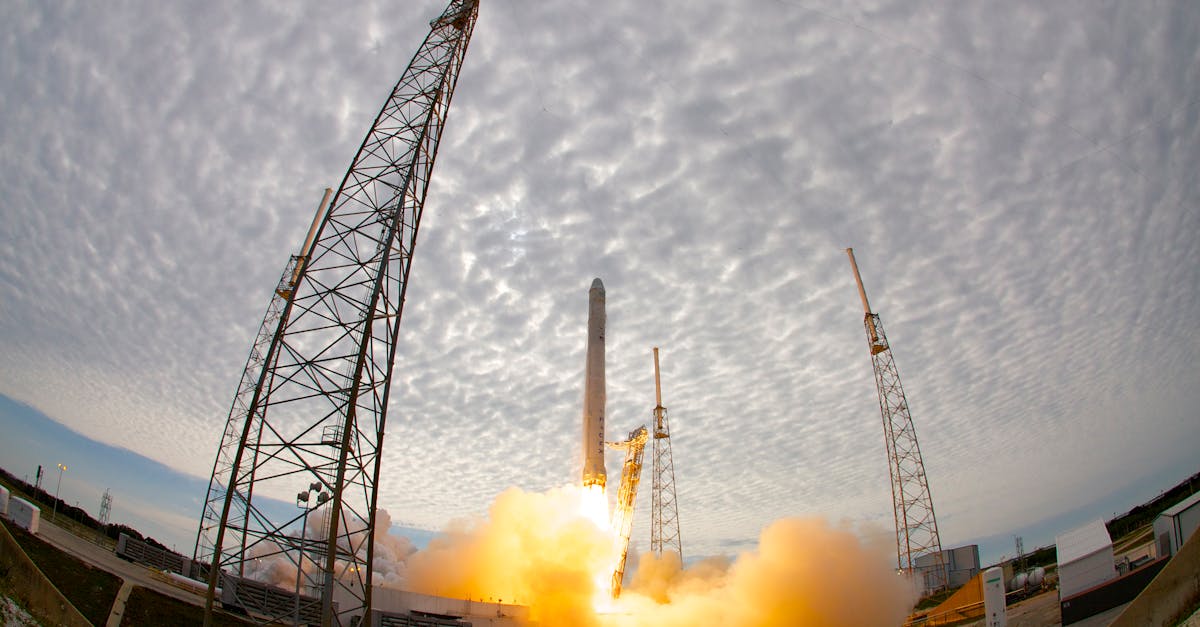
- Skyroot Aerospace launched Vikram-1, India's first private orbital rocket, from Sriharikota.
- Prime Minister Modi said the success vindicates his decision to privatise India's space sector.
- The Hyderabad-based startup built 95% of its workforce from scratch for the mission.
- A Warangal artist's micro sculptures were part of the payload, creating an emotional moment.
- The launch was praised globally, including by a Canadian commentator who called it India's new space chapter.
Skyroot Aerospace, a Hyderabad-based startup, successfully launched its Vikram-1 rocket on Saturday, making history as India's first private orbital mission. The rocket lifted off from the Satish Dhawan Space Centre in Sriharikota, placing payloads into orbit and marking a major milestone for India's space privatisation push.
Prime Minister Narendra Modi, who had championed the opening of the space sector to private players, said the success vindicated his decision. "I was discouraged from taking the bold decision to privatise the space sector. Today, you proved me right," Modi told Skyroot's team after the launch, according to The Times of India.
A Rocket Built From Scratch
Vikram-1 is a three-stage solid-fuel rocket capable of carrying small satellites to low Earth orbit. The mission was years in the making, with Skyroot building 95% of its workforce from scratch, the company revealed. The startup, founded in 2018, has emerged as a leader in India's private space ecosystem.
The launch was not just a technical achievement but also a cultural one. A Warangal-based artist sent micro sculptures into space aboard Vikram-1, calling it an emotional moment. "It's a dream come true," the artist told The Hindu, as the tiny artifacts became part of India's space story.
Global Cheers and a New Chapter
The successful mission drew praise from around the world. A Canadian commentator described it as "the biggest white pill of all time," hailing the launch as a new chapter for India in space exploration. The comment, reported by NDTV, reflected a broader sentiment that India's private sector is now a serious player in the global space race.
Skyroot's achievement comes after India's space regulator, IN-SPACe, opened the sector to private companies in 2020. The government has since provided funding and infrastructure support, including access to launch pads at Sriharikota. Vikram-1 follows several suborbital tests by Skyroot, but this was its first orbital mission, placing it in a league with global private space firms like SpaceX and Rocket Lab.
What Vikram-1 Carried
While specific payload details were not disclosed in full, sources indicate the rocket carried multiple small satellites and experimental payloads from academic and commercial clients. The mission also included the micro sculptures from the Warangal artist, adding a human touch to the scientific endeavor.
The launch was executed from the same facilities used by the Indian Space Research Organisation (ISRO), which has collaborated closely with Skyroot. ISRO's expertise in solid-fuel rocketry served as a foundation, but the startup adapted the technology for commercial use, aiming to reduce costs and turnaround times for small satellite launches.
Looking Ahead
Skyroot has already announced plans for multiple Vikram-1 launches in the coming year, targeting a growing market for small satellite deployment. The company is also developing a larger rocket, Vikram-2, capable of heavier payloads. With this launch, India's private space sector has taken its first concrete step toward competing on a global scale.