India Semiconductor Mission Phase II: 2 lakh jobs and a chip ecosystem beyond factories
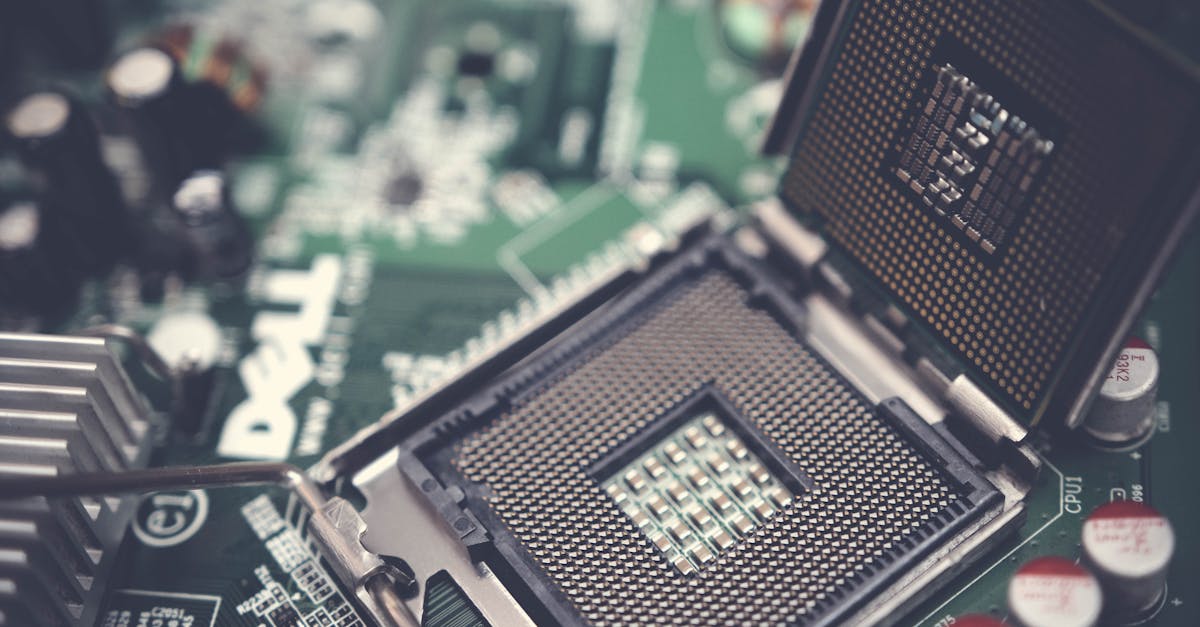
- India Semiconductor Mission Phase II, or Semicon 2.0, targets 2 lakh new jobs over five years.
- The focus shifts from assembly to chip design, packaging, and supply chain integration.
- Industry leaders say the strategy must include talent development and domestic manufacturing incentives.
New Delhi: India’s semiconductor ambitions are entering a new phase. After the first chapter of the India Semiconductor Mission focused on luring global chipmakers to set up assembly and testing plants, the government is now working on a broader vision for Phase II. Industry estimates suggest this next stage, informally called Semicon 2.0, could create up to 2 lakh jobs over the next five years.
The target, shared by industry bodies and cited in recent reports, signals a shift in strategy. Instead of relying solely on assembly units, the government wants to build a homegrown ecosystem that includes chip design, advanced packaging, and raw material supply chains.
A shift from assembly to design
Phase I of the mission, launched in 2021, successfully brought in major players like Micron and Tata Electronics to set up semiconductor assembly and test facilities. But officials and industry leaders acknowledge that the real value lies in chip design and fabrication, not just packaging.
Phase II is expected to expand incentives for chip design startups, research partnerships with global universities, and support for compound semiconductors and silicon photonics. The goal is to move India up the value chain, from a low-cost assembly destination to a hub for innovation.
“The first phase was about creating the factory floor. The second phase is about filling it with Indian IP and talent,” a government official familiar with the planning told The Indian Express.
Job creation and talent pipeline
The 2 lakh jobs estimate includes direct employment in chip fabs, design houses, and ancillary industries, as well as indirect jobs in logistics, maintenance, and services. Industry leaders say the number is realistic if the government commits to sustained policy support.
But a key challenge remains talent supply. India produces over 1.5 million engineering graduates annually, but only a fraction are trained in semiconductor design or manufacturing. The government is working with the All India Council for Technical Education (AICTE) and industry partners to introduce specialised curricula.
Companies like Tata Elxsi and L&T Technology Services have already started in-house training programmes. Industry bodies such as the India Electronics and Semiconductor Association (IESA) have called for a national semiconductor talent mission to bridge the gap.
Supply chain and local manufacturing push
The mobile phone manufacturing scheme, which has helped India become a major smartphone assembly hub, is being used as a template. Under that scheme, production-linked incentives (PLI) boosted local output of handsets and components. A similar approach is now being applied to semiconductor materials and equipment.
India currently imports most of its chip-making machinery and specialty chemicals. Phase II aims to incentivise domestic production of wafer fabrication tools, gases, and substrates. The government is also in talks with Japan and South Korea for technology transfer agreements.
The strategy is to reduce dependence on a single country for supply chains, especially after the global chip shortage of 2021-2023 exposed vulnerabilities. India wants to position itself as a trusted alternative for chip manufacturing, especially for partners in the Quad and Europe.
What happens next
The Cabinet is expected to approve Phase II of the India Semiconductor Mission within the next quarter. Industry watchers will be looking at the fine print: how much of the Rs 76,000 crore outlay is earmarked for design versus manufacturing, and whether the job creation targets come with measurable milestones.
For now, the mission is at a crossroads. If Phase II succeeds, India could emerge as a serious player in the global chip race. If it falters, the country risks remaining a junior partner in an industry it has long wanted to lead.