Salt influx may reshape microbial ecosystems in rivers and coastal waters globally
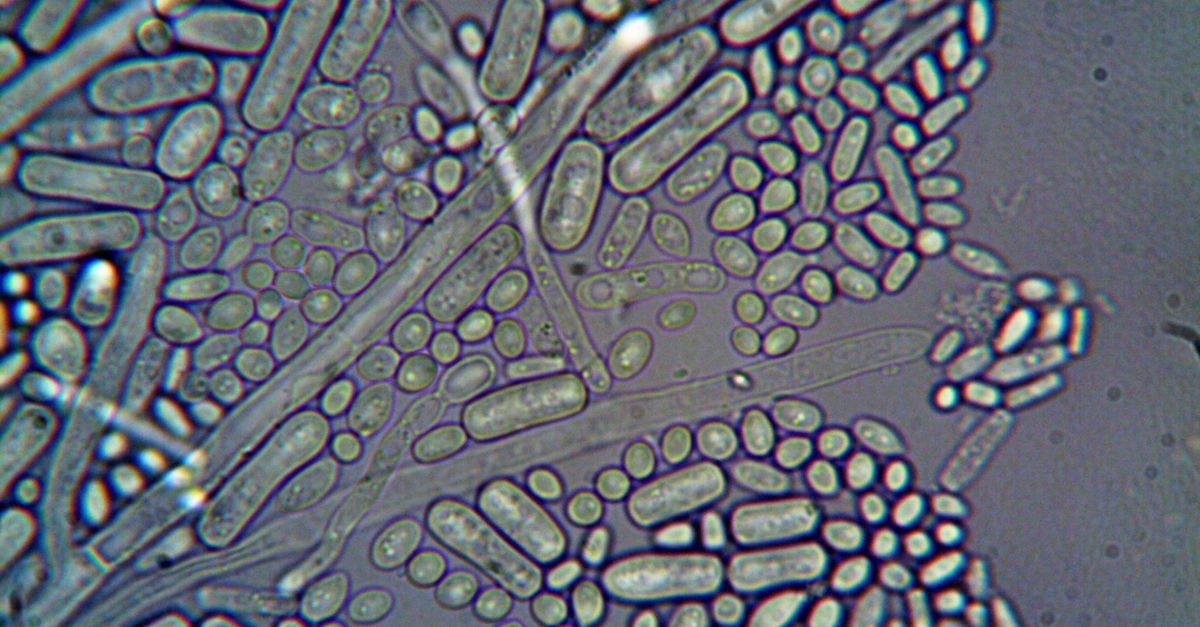
- Increasing salt concentrations in freshwater systems cause predictable changes in microbial species composition.
- Microbial communities show 'community-wide robustness' to environmental stress, but core functions may be altered.
- Findings have implications for water quality, nutrient cycling, and ecosystem management in salt-affected waters.
Rising salt levels trigger microbial shifts
A new study published in Nature reveals that increasing salt concentrations in rivers, estuaries, and coastal waters worldwide are driving predictable changes in microbial ecosystems. Researchers found that as salinity rises, microbial communities undergo a systematic shift in species composition, with certain salt-tolerant microbes replacing freshwater-adapted ones.
The study, based on data from multiple water bodies across different climatic zones, shows that these shifts are not random. Instead, they follow a consistent pattern, suggesting that scientists may be able to predict how microbial communities will respond to ongoing salinisation driven by factors such as sea-level rise, road salt runoff, and irrigation practices.
Community-wide robustness emerges
One of the key findings is that despite the turnover in species, the overall microbial community displays what researchers describe as 'community-wide robustness' to environmental stress. This means that even as individual species come and go, the community as a whole maintains certain core functions, such as organic matter decomposition and nutrient cycling.
However, the study warns that this robustness has limits. While the community may appear stable in the short term, prolonged or extreme salt stress could eventually push it past a tipping point, leading to a collapse of essential ecosystem services. The authors note that estuaries, where freshwater meets seawater, are particularly vulnerable because they already experience natural salinity gradients.
Implications for water quality and management
The findings carry significant implications for water quality management. Microbial communities play a crucial role in breaking down pollutants and recycling nutrients. If salt-induced shifts alter these processes, it could affect everything from drinking water treatment to fisheries productivity in coastal areas.
For India, where many rivers and estuaries face increasing salinity due to factors like sea-level rise in the Sundarbans and saltwater intrusion in the Godavari and Krishna deltas, the research offers a scientific basis for monitoring and mitigating these changes. Local water management authorities may need to factor in microbial responses when planning for future salinity scenarios.
Predicting the future of stressed ecosystems
The study's authors emphasise that understanding these predictable shifts can help environmental managers anticipate changes before they become irreversible. By tracking microbial community composition, it may be possible to detect early warning signs of ecosystem stress and take corrective action.
The research also opens up questions about how other organisms, from fish to plants, might be affected by the altered microbial landscape. Since microbes form the base of aquatic food webs, any change at this level can ripple upward through the ecosystem.
What comes next
Scientists are now calling for expanded monitoring networks to track salinity levels and microbial communities in real time across more water bodies. Field experiments and long-term studies will be needed to confirm whether the patterns observed hold true under different climatic and pollution conditions. The answers could shape how water resources are managed in an increasingly salt-affected world.