US and Canada: 10 spots to catch August solar eclipse and Perseid meteor shower
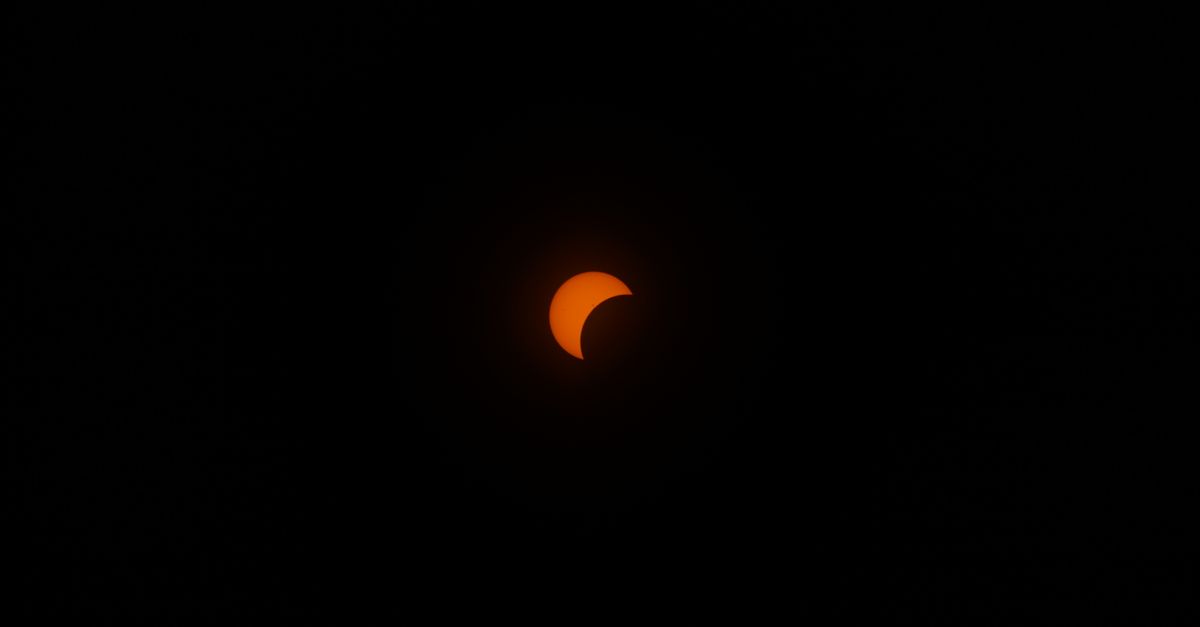
- A partial solar eclipse will occur on August 12, visible across parts of the US and Canada.
- The Perseid meteor shower peaks around the same time, offering a dual celestial event.
- Ten recommended locations allow travelers to observe both phenomena in one trip.
A rare celestial double-header in August
Astronomy enthusiasts across North America are marking their calendars for August 12. On that day, a partial solar eclipse will sweep across parts of the United States and Canada. Adding to the spectacle, the Perseid meteor shower will peak around the same date.
For those willing to travel, it is possible to catch both events in a single trip. Ten locations in the US and Canada have been identified as prime spots to view the eclipse by day and the meteor shower by night.
What makes the August 12 eclipse special
This partial solar eclipse occurs when the Moon passes between Earth and the Sun, covering a portion of the solar disk. While not as dramatic as a total eclipse, it remains a striking sight for skywatchers.
Observers in the northern parts of North America will see the greatest coverage. The eclipse will be visible from regions including the Pacific Northwest, the Great Lakes area, and parts of eastern Canada. Timing varies by location, with the event unfolding in the late afternoon and early evening.
10 recommended viewing locations
Travel planners have identified several destinations where conditions are favourable for both the eclipse and the Perseid shower. These include national parks, dark-sky reserves, and remote observatories.
- Mount Rainier National Park, Washington – high elevation and low light pollution
- Glacier National Park, Montana – wide open skies and minimal city glow
- Banff National Park, Alberta – Canadian Rockies offer clear mountain air
- Jasper Dark Sky Preserve, Alberta – designated for astronomy
- Headlands International Dark Sky Park, Michigan – on the shores of Lake Michigan
- Cherry Springs State Park, Pennsylvania – one of the darkest spots in the eastern US
- Acadia National Park, Maine – coastal views with dark skies
- Kouchibouguac National Park, New Brunswick – dark sky preserve in eastern Canada
- Grand Teton National Park, Wyoming – low horizon and wide vistas
- Yellowstone National Park, Wyoming – geothermal features and dark nights
How to plan your trip
Booking accommodation early is essential. These parks and reserves see a surge in visitors during the Perseid peak. Camping sites and nearby lodges fill up weeks in advance.
For the eclipse, a safe solar filter is mandatory for any viewing device. For the meteor shower, no equipment is needed — just a blanket, a dark location, and patience. The best viewing hours are after midnight, when the sky is darkest.
What to watch
Weather will be the deciding factor. Clear skies are critical for both events. Travelers should monitor forecasts closely and have a backup location in mind. The next opportunity to see a partial solar eclipse in North America will not come until 2028, making this a rare chance for a combined celestial experience.