Erratic Monsoon Puts India's Crops and Power Grid Under Pressure
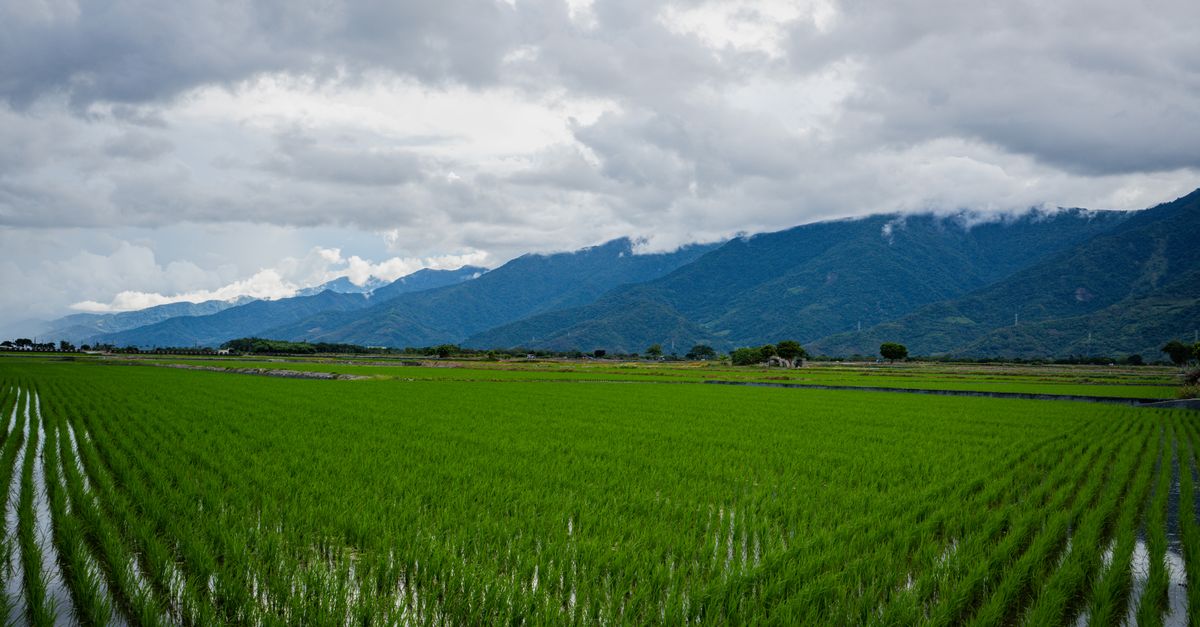
- Unpredictable monsoon patterns, linked to El Niño, are disrupting sowing and harvesting cycles for key crops.
- Power grid faces strain as erratic rains impact hydropower generation and increase cooling demand.
- Agricultural imports are rising as domestic production faces uncertainty from shifting weather patterns.
India's monsoon season has turned into a high-stakes gamble for farmers and grid operators alike. The rains, which usually follow a predictable rhythm, have become erratic — swinging from intense downpours to prolonged dry spells. This yo-yo pattern is leaving crops parched in some regions and waterlogged in others, while the power grid struggles to keep up with surging demand.
Impact on Crop Cycles
The monsoon's unpredictability has hit the sowing window hard. Farmers rely on the timely arrival of rains, particularly during the month of 'Ashar' (June-July), to plant kharif crops like paddy, pulses, and oilseeds. When the rains miss this critical period, the entire cropping cycle falls out of sync.
El Niño conditions, which typically suppress rainfall over India, are amplifying the problem. In some districts, seeds have failed to germinate due to dry soil. In others, heavy rains have washed away freshly sown fields. The result is a patchwork of distress that no amount of local adaptation can fully offset.
Power Grid Under Duress
The grid is feeling the heat — literally. Hydropower generation, which contributes a significant share to the national grid, has dipped in regions where reservoirs are low. At the same time, the erratic monsoon has triggered sudden spikes in cooling demand as humid heat persists between rain spells.
Transmission corridors are under stress. When rains are heavy, distribution lines face outages due to waterlogging and tree falls. When skies clear, air conditioner usage pushes peak load to uncomfortable levels. Grid operators are scrambling to balance supply and demand, often resorting to load-shedding in rural areas.
Rising Agricultural Imports
India, traditionally a net exporter of many agricultural commodities, is now turning to imports to bridge domestic shortfalls. The weak monsoon and El Niño have made domestic production uncertain for crops like pulses, edible oils, and even some coarse grains.
Import volumes have ticked up in recent months, putting pressure on the rupee and the trade deficit. Government procurement targets for essential grains are also looking shaky. While buffer stocks remain adequate for now, a second consecutive poor monsoon could strain food security.
Voluntary Efforts and Awareness
In Chennai, voluntary organisations have begun campaigns to educate communities about El Niño and its impacts. These groups are holding workshops, distributing pamphlets, and using local media to explain how shifting weather patterns affect everything from drinking water availability to electricity bills.
The idea is to build grassroots resilience. Farmers are being encouraged to diversify crops, invest in rainwater harvesting, and adopt micro-irrigation. Urban residents are being told to reduce electricity waste and conserve water. These efforts, while small, signal a growing recognition that the monsoon is no longer a reliable constant.
What happens next depends on how the rest of the monsoon season unfolds. If the yo-yo pattern persists, the government may have to expand relief measures and reconsider its agricultural import policies. The power ministry is also likely to push for faster integration of renewable energy to reduce dependence on hydropower during uncertain rains.