Intermittent water supply threatens Hyderabad's drinking water quality: Study
- Study finds intermittent supply increases contamination risk in Hyderabad's drinking water.
- Unreliable supply forces residents to store water, leading to bacterial growth.
- Experts call for 24/7 supply and improved pipeline maintenance.
- Hyderabad's water utility faces challenges of aging infrastructure and growing demand.
Intermittent supply raises contamination fears
A recent study has flagged serious concerns about the quality of drinking water in Hyderabad, linking it directly to the city's intermittent water supply system. The research, conducted by local environmental experts, reveals that the practice of supplying water for only a few hours each day is creating conditions ripe for bacterial contamination.
The study notes that when water flows intermittently, the pressure in pipelines drops. This drop in pressure can allow contaminants from the surrounding soil and leaky pipes to seep into the water supply. Residents are left with little choice but to store water for long periods, further increasing the risk of microbial growth.
How storage practices worsen the problem
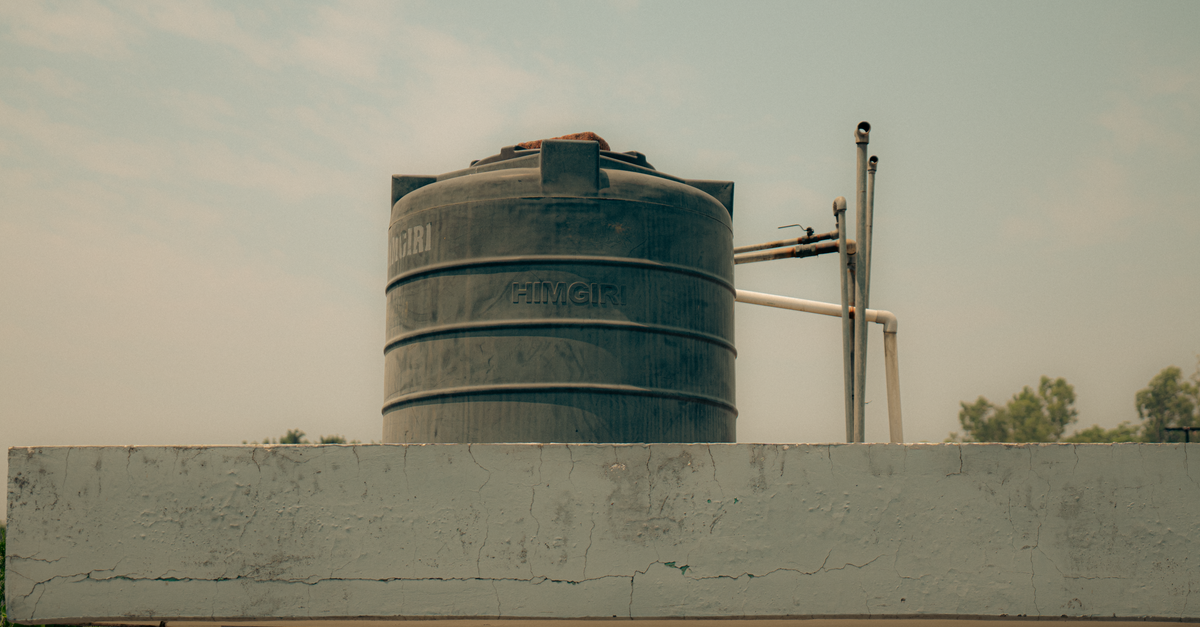
Households across Hyderabad rely on overhead tanks and underground sumps to tide over the dry hours. The study points out that these storage units are often not cleaned regularly. Stagnant water becomes a breeding ground for bacteria like E. coli and coliform.
Researchers sampled water from multiple points across the city and found that samples collected from household taps during the first flush of supply had significantly higher contamination levels than those collected later. This initial surge of water picks up debris and biofilm that have accumulated in the pipes during the non-supply period.
Aging infrastructure adds to the risk
Hyderabad's water distribution network is decades old in many areas. The study highlights that old, corroded pipes are more prone to leaks and cracks. Intermittent supply exacerbates this issue by subjecting the pipes to constant cycles of pressure and vacuum.
These pressure fluctuations can create a suction effect, pulling in groundwater and sewage from the surrounding areas through even tiny fissures. The result is a direct pathway for pathogens to enter the drinking water system. The Hyderabad Metropolitan Water Supply and Sewerage Board (HMWSSB) has acknowledged the challenges but points to the city's rapid expansion as a major hurdle.
Demand outstrips supply
The city's water demand has surged with its growing population, but the supply from sources like the Krishna and Godavari rivers has not kept pace. The utility argues that a 24/7 supply system, while ideal, requires massive investment in new pipelines, reservoirs, and treatment plants.
Officials have not yet confirmed any specific timeline for transitioning to a continuous supply model. However, the study's authors stress that the current system is not only inconvenient but also poses a direct health risk to millions of residents. They recommend immediate steps such as regular pipeline cleaning, public awareness campaigns on tank hygiene, and a phased plan to achieve round-the-clock supply.
For now, the study serves as a stark reminder that the convenience of a municipal tap can be deceptive. The quality of the water that reaches a home is only as good as the system that delivers it.
The HMWSSB is expected to review the study's findings in its next board meeting. Residents and civic groups are watching closely for any concrete action plan to address the contamination risk.