MP's Pichore granite dates back 2.5 billion years, study finds
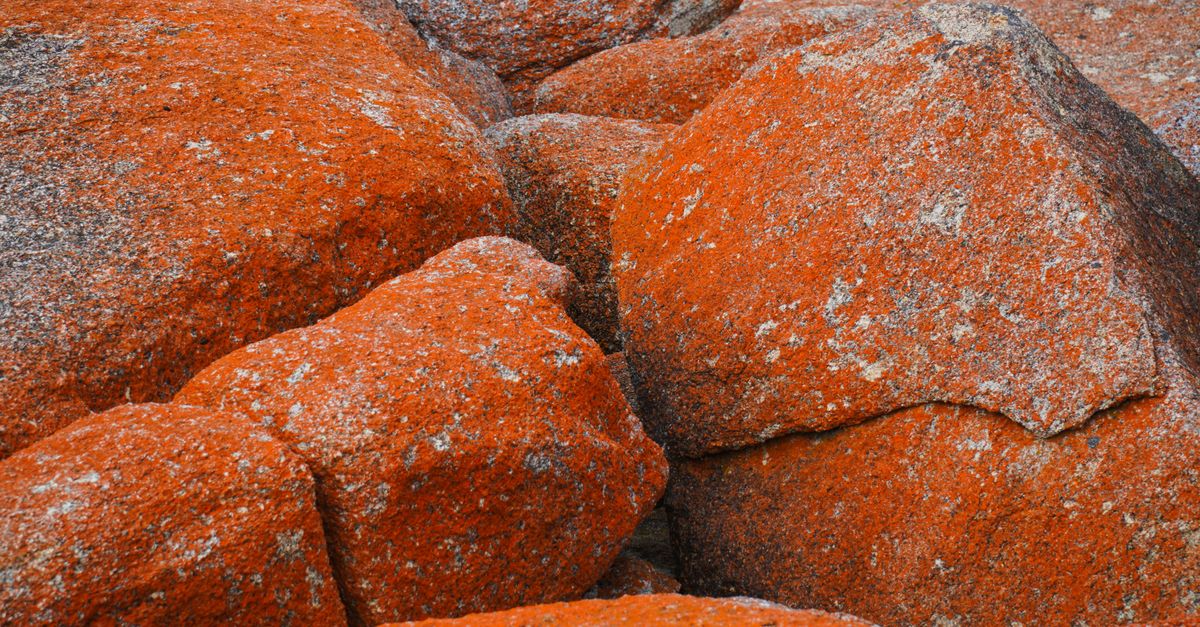
- Pichore granite in Madhya Pradesh is 2.5 billion years old, per a new study.
- The rock formation is among the oldest geological structures on Earth.
- The finding sheds light on the early crustal evolution of the Indian subcontinent.
Ancient granite unearthed in central India
A recent study has dated the Pichore granite in Madhya Pradesh to 2.5 billion years, making it one of the oldest geological formations on the planet. The research, conducted by a team of geoscientists, pushes back the known timeline of the region's crustal history significantly.
The Pichore granite, located near the town of Pichore in the state's Bundelkhand region, is a massive plutonic rock body. Researchers used radiometric dating techniques on zircon crystals extracted from the granite to arrive at the 2.5-billion-year figure.
A window into Earth's early crust
Formations of this age are rare globally. They provide a direct record of the processes that shaped the Earth's continental crust during the Archean Eon, a period spanning from 4 billion to 2.5 billion years ago. The Pichore granite's discovery adds a crucial piece to the puzzle of how the Indian subcontinent's basement rocks were assembled.
The study's authors note that the granite's mineral composition and structure are consistent with other ancient cratons found in Canada, Australia, and South Africa. This suggests a shared planetary process of crust formation early in Earth's history.
“This finding confirms that the Bundelkhand Craton, a stable block of ancient crust, experienced a major magmatic event around 2.5 billion years ago,” said a lead researcher. “It helps us understand the thermal and tectonic environment of that era.”
Implications for mineral exploration
Beyond academic interest, the age determination has practical implications. Ancient granites are often associated with deposits of gold, copper, and other metals. The Pichore region is already known for its mineral wealth, and the new dating could guide future exploration efforts.
Geologists will now re-examine the surrounding rock formations to see if they are of a similar vintage. The study underscores that large parts of central India still hold untapped geological records.
What comes next
The research team plans to conduct further geochemical analysis on the Pichore granite to identify its precise mantle source and evolutionary path. They also hope to compare it with other ancient granites across India to build a more complete picture of the subcontinent's deep past.
The study was published in a peer-reviewed journal and has been welcomed by the geological community. For now, the Pichore granite stands as a silent sentinel, offering a rare glimpse into Earth's infancy.