Sea Anemone Can Tell Good Bacteria From Bad, Scientists Discover
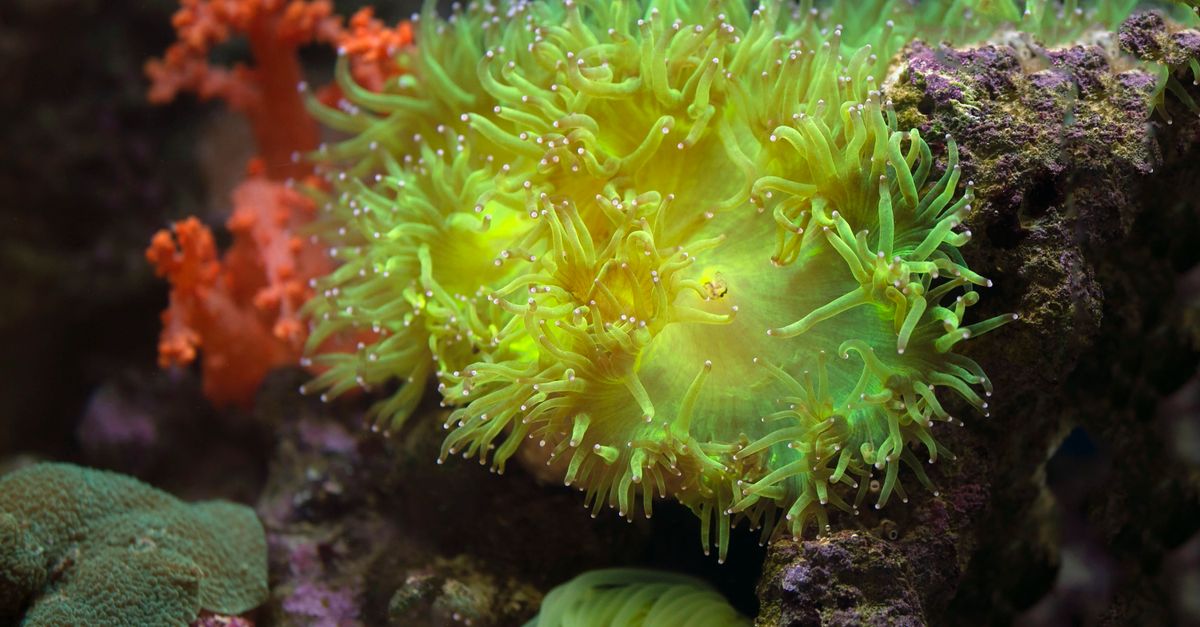
- Starlet sea anemone lacks antibodies and immune memory cells.
- Study reveals it can differentiate between helpful and harmful bacteria.
- Findings shed light on evolution of immune systems.
- Research published in a peer-reviewed journal.
- Potential implications for understanding human immune disorders.
Anemone's Immune Trick Surprises Researchers
Scientists have discovered that a simple sea creature, the starlet sea anemone, can tell the difference between helpful and harmful bacteria. This is remarkable because the anemone lacks antibodies and immune memory cells. Those are the tools that more complex animals, including humans, rely on to fight infection.
The finding was reported by researchers whose work was covered by The Times of India. It challenges long-held assumptions about how early animals defended themselves.
No Antibodies, No Problem
In humans, the immune system has two main branches. The innate system provides a general, fast response. The adaptive system uses antibodies and memory cells to target specific pathogens. The anemone only has the innate part.
Yet, when exposed to different bacteria, the anemone reacted differently. It tolerated beneficial microbes but mounted a defense against harmful ones. This suggests that innate immunity alone can be more sophisticated than previously thought.
What This Means for Science
The starlet sea anemone is a simple animal that lives in saltwater. It is often used in research because its genome has been fully sequenced. This study adds to what scientists know about the evolution of immunity.
Understanding how primitive creatures manage this discrimination could help researchers learn why human immune systems sometimes fail. Autoimmune diseases, where the body attacks its own cells, may be linked to errors in this basic recognition process.
Scientists have not yet identified the exact mechanism the anemone uses. They are now working to find the molecules responsible for this bacterial sorting.
Next Steps for Researchers
The team plans to investigate whether other simple animals share this ability. They also want to see if the anemone's method can be harnessed for medical applications.
Officials have not confirmed when further results will be published. But the discovery has already opened a new line of inquiry into the origins of immune intelligence.