Sonam Wangchuk to End Fast if Parliament Debates Education Accountability
- Wangchuk will end fast if Parliament session focuses on education accountability
- Three conditions include parliamentary debate, education policy review, and accountability mechanism
- Delhi High Court refused to intervene in government decision to hospitalise him
Environmental activist Sonam Wangchuk has signalled he is ready to end his ongoing hunger strike at Delhi's Jantar Mantar, but only if the government meets three specific demands. His colleague Gitanjali Angmo confirmed on Sunday that the protest will conclude if Parliament dedicates a session to education accountability.
The development comes after days of protests that have drawn attention to what Wangchuk describes as systemic failures in India's education system.
Three Conditions for Ending the Fast
Speaking to reporters at the protest site, Angmo outlined Wangchuk's demands. The first condition is that a full parliamentary session must be held specifically to discuss accountability in education.
The second demand calls for a comprehensive review of the current education policy framework. Wangchuk also wants a concrete mechanism for holding educational institutions and policymakers accountable for outcomes.
Angmo did not specify a deadline for the government to act, but indicated Wangchuk's health is a growing concern.
Legal Battle Over Hospitalisation
The Delhi High Court on Sunday refused to intervene in the government's decision to shift Wangchuk to a hospital. The court observed that the government was within its rights to ensure the activist's medical safety.
Wangchuk has been on a hunger strike for several days, demanding reforms in the education sector. His health condition has deteriorated, prompting authorities to hospitalise him against his will.
The court's refusal to entertain a plea against the hospitalisation has added a legal dimension to the ongoing protest.
Protests Gather Steam at Jantar Mantar
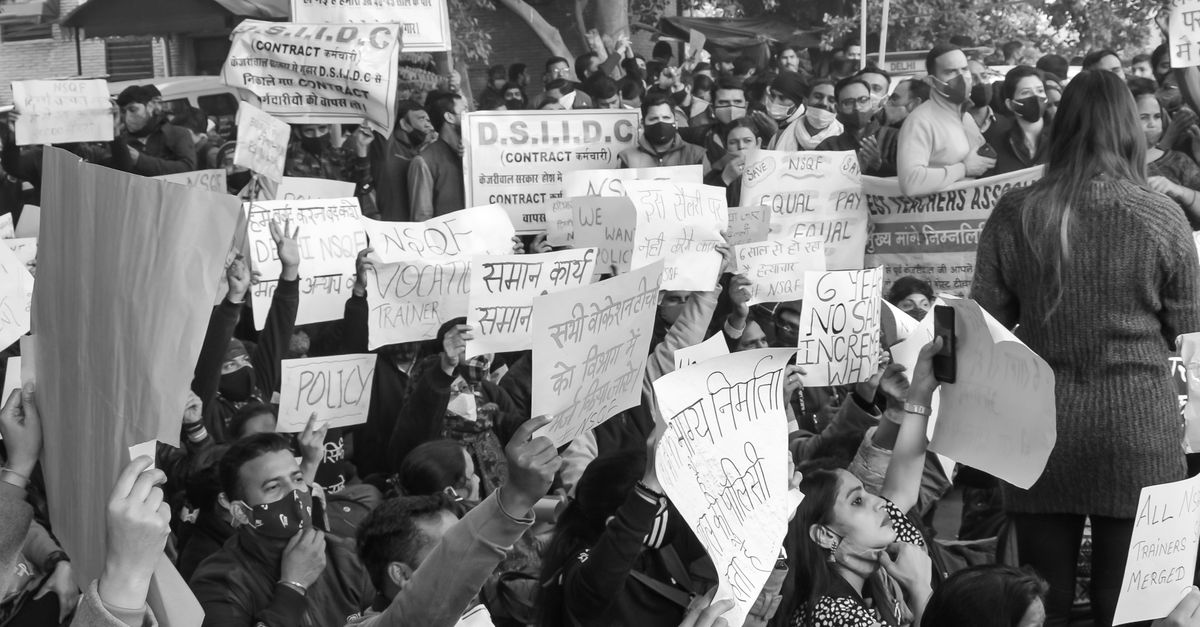
The protest site at Jantar Mantar has seen a steady stream of supporters, including students, teachers, and civil society members. Many have expressed solidarity with Wangchuk's cause, arguing that the education system needs urgent overhaul.
Activists have been raising slogans and holding placards demanding accountability from the government. The protest has remained peaceful, with Delhi Police maintaining a visible presence.
Wangchuk, known for his work in Ladakh and his role in the 'Three Idiots' inspired education reform movement, has drawn national attention to the issue.
What happens next depends on the government's response to Wangchuk's three conditions. With the Parliament session ongoing, all eyes are on whether the ruling party will accommodate a dedicated debate on education accountability.