Indian Stocks Slump on HDFC Bank Slide, West Asia Tensions
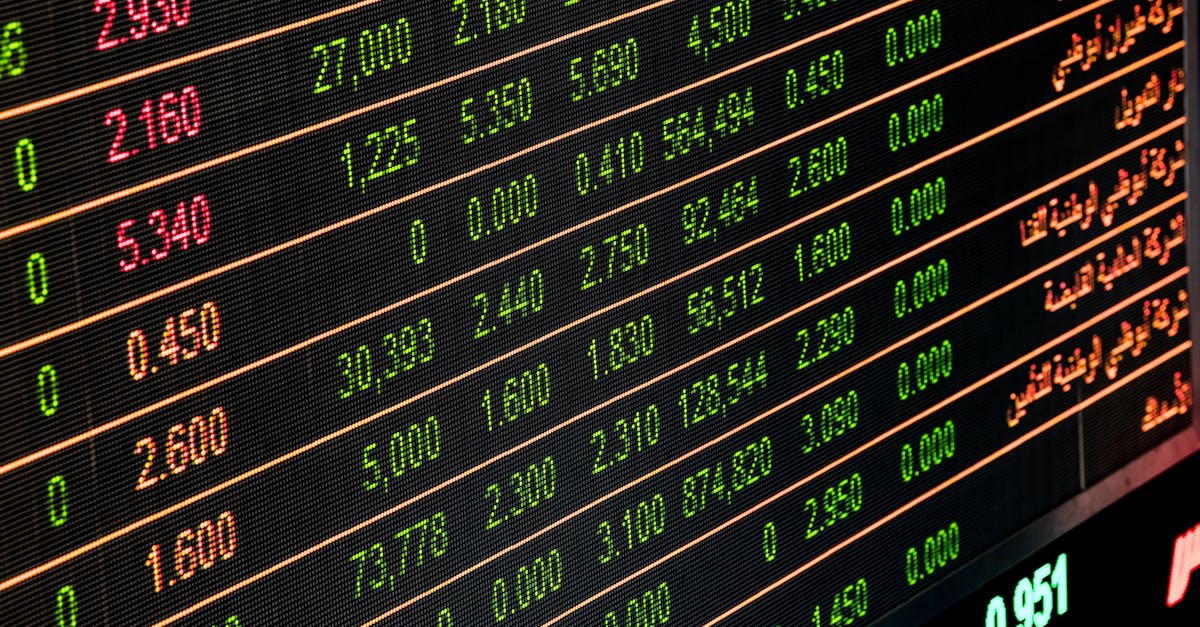
- Benchmark indices tumbled in early trade, led by losses in financial stocks.
- HDFC Bank shares declined over 3% after disappointing quarterly earnings.
- Geopolitical tensions in West Asia dampened risk appetite across Asian markets.
Indian equity markets opened sharply lower on Tuesday, dragged down by a heavy sell-off in HDFC Bank shares and escalating geopolitical tensions in West Asia. The benchmark BSE Sensex fell over 800 points in early trade, while the Nifty 50 slipped below the 24,500 mark.
Market breadth was negative, with more than two stocks declining for every one advancing on the BSE. The downturn comes after a period of relative calm, as investors now grapple with a combination of domestic and global headwinds.
HDFC Bank Leads Financial Rout
HDFC Bank was the biggest drag on the indices, with its shares plunging over 3% in morning trade. The country's largest private sector lender reported a marginal miss on net interest margins in its quarterly results, triggering a wave of profit-booking.
Other banking stocks followed suit. ICICI Bank, Kotak Mahindra Bank, and Axis Bank all traded in the red, contributing to a nearly 2% decline in the Nifty Bank index. Analysts say the sector remains sensitive to margin compression concerns.
West Asia Crisis Adds to Gloom
Beyond domestic factors, renewed hostilities in West Asia rattled global markets. Reports of heightened military activity in the region pushed crude oil prices higher, stoking fears of sustained inflation and supply disruptions.
Foreign portfolio investors turned net sellers in early trade, adding to the selling pressure. The Indian rupee also weakened past the 83.50 mark against the US dollar, reflecting the risk-off sentiment. Markets across Asia, including Japan and South Korea, also saw declines.
Broader Market Impact
Midcap and smallcap indices fell in tandem with the benchmarks, erasing gains from the previous session. Sectors such as oil & gas and metals were hit hard, while defensive plays like IT and pharma managed to limit losses.
Volatility gauge India VIX spiked over 8%, indicating heightened uncertainty among traders. Market participants are now closely watching for any diplomatic moves that could de-escalate the West Asia situation.
What to watch: All eyes will be on the Reserve Bank of India's commentary later this week, as well as any further developments in West Asia that could influence global risk appetite.