Killer whale Tahlequah carries dead calf in 'tour of grief'
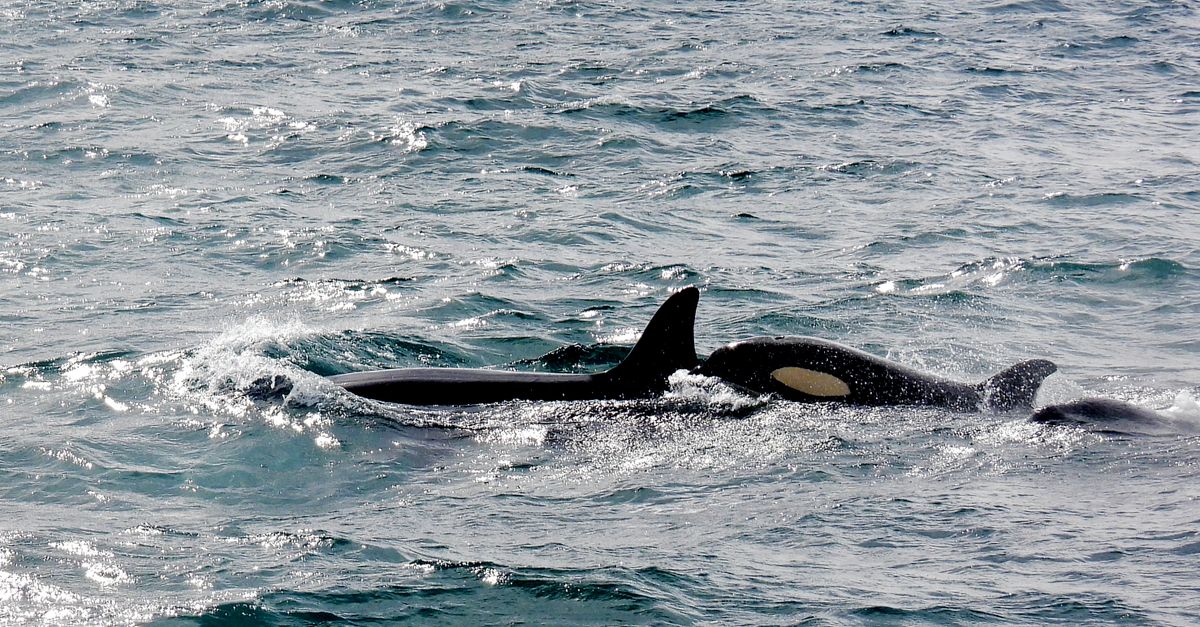
- Tahlequah, a female killer whale, has been seen carrying her dead calf off Washington state.
- The orca previously performed a similar 17-day 'tour of grief' with another calf in 2018.
- Scientists say the behavior is a documented mourning ritual among some cetaceans.
- The calf's death is a blow to the critically endangered Southern Resident killer whale population.
- Researchers are monitoring the pod closely but cannot intervene.
Mother orca resumes her vigil
A female killer whale known for carrying her dead calf for 17 days in 2018 is repeating the same behaviour. The orca, named Tahlequah by researchers, was spotted off the coast of Washington state pushing the body of a newborn calf. The calf died shortly after birth, according to scientists tracking the pod.
The sighting was reported by the Center for Whale Research. The team confirmed the calf is dead and that Tahlequah has been carrying it on her rostrum, surfacing occasionally to breathe. The behaviour is strikingly similar to her 2018 'tour of grief', which ended when the calf's body decomposed enough to sink.
A documented mourning ritual
Scientists say this is not an isolated incident. Orcas and other cetaceans, such as dolphins, have been observed carrying dead calves for days or weeks. The behaviour is widely interpreted as a form of grief or mourning, though researchers caution against assigning human emotions to animals.
“We don’t know exactly what she is feeling, but the persistence of this behaviour across years and individuals suggests a strong social bond,” said a researcher familiar with the pod. Tahlequah is a member of the J pod, part of the critically endangered Southern Resident killer whale population.
Population under pressure
The Southern Resident orcas number only around 73 individuals. The loss of any calf is a significant setback for a population that has struggled with low birth rates and high mortality. The primary threats are a lack of chinook salmon, their main food source, and noise pollution from vessels.
Tahlequah’s previous calf, born in 2018, lived for only half an hour. The current calf’s sex and exact cause of death have not been confirmed. Officials have not announced any plans to intervene, as the pod is in open water and the behaviour is natural.
What comes next
Researchers are monitoring Tahlequah’s movements daily. The carcass will eventually decompose or be scavenged, ending the vigil. The event underscores the fragile state of the Southern Resident orcas and the urgent need for conservation measures. The pod will continue its search for salmon as the summer feeding season progresses.