Semmencherry Sports City project may raise Chennai flood risk: Study
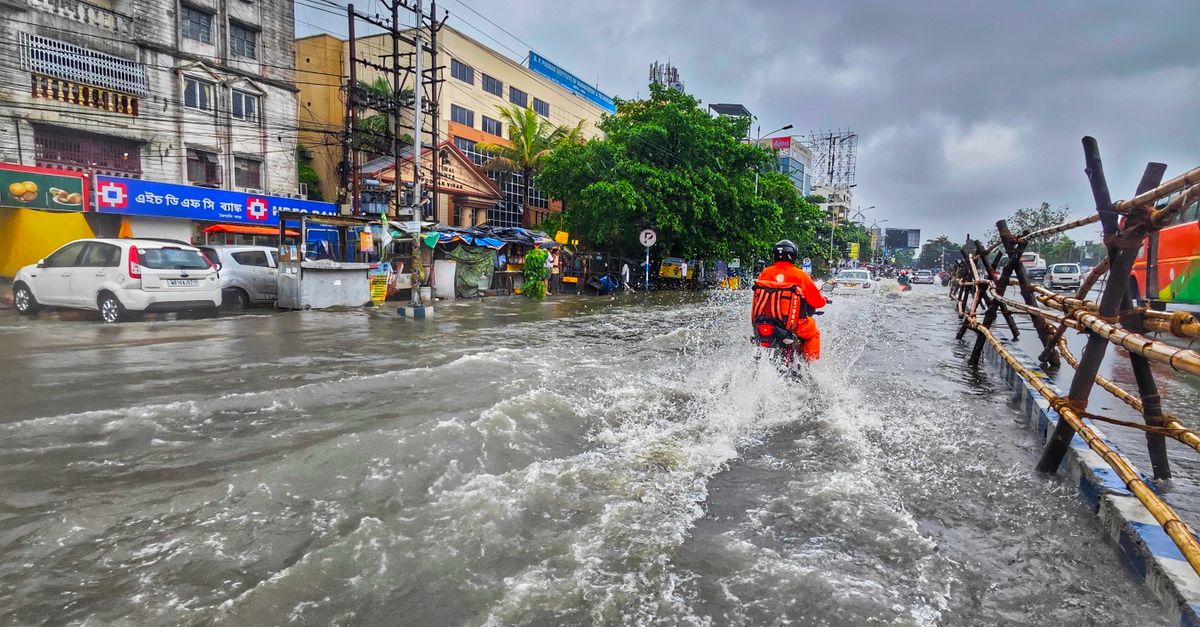
- Study warns the sports city project could block natural drainage channels.
- The project is being built on wetlands that act as natural flood buffers.
- Experts urge a review of the project's environmental impact assessment.
Flood Risk Warning for Semmencherry Sports City
A new study has flagged that the Semmencherry Global Sports City project could increase flood risk in parts of Chennai. The research, published by a group of environmental analysts, points to the large-scale construction on what were previously wetlands and water channels.
The project is located in the southern suburbs of the city. These areas have historically acted as natural drainage basins during heavy rains. The study argues that building over them may choke the flow of stormwater, leading to waterlogging and flash floods in nearby residential zones.
Impact on Natural Drainage
The study identifies specific water bodies and canals that could be affected. It says the project's layout may block or divert channels that carry rainwater to the Adyar River and the Bay of Bengal. This disruption, the authors warn, could back up water into neighbourhoods like Semmencherry, Sholinganallur, and Perungudi.
Chennai has a history of devastating floods, most notably in 2015 and 2021. The city's rapid urbanisation has already reduced its natural water-holding capacity. Experts say the addition of a large sports complex on sensitive land could compound the problem.
What the Study Recommends
The report calls for a fresh environmental impact assessment before construction proceeds further. It suggests that the project should incorporate measures like larger stormwater retention ponds, permeable surfaces, and elevated structures to mitigate runoff.
It also recommends restoring or creating alternative drainage routes to compensate for the loss of natural channels. The authors stress that without such steps, the project could increase flood frequency and severity in the region.
Project Scale and Current Status
The Semmencherry Global Sports City is a large, multi-sport development. It is designed to include stadiums, training facilities, and residential and commercial spaces. The project is being promoted as a hub for sports and entertainment in the city.
Work on the site is ongoing. Officials have not yet commented on the study's findings. The Chennai Metropolitan Development Authority (CMDA) had earlier cleared the project after a review of its plans.
Broader Concerns
Environmentalists have repeatedly raised concerns about construction on Chennai's wetlands. They point out that the city's water bodies have shrunk by over 30 per cent in the last three decades. Each loss, they argue, makes the city more vulnerable to extreme weather events.
The study comes at a time when climate change is expected to bring more intense and unpredictable rainfall to the region. Urban planners are under pressure to balance development with disaster resilience. The Semmencherry project is seen as a test case for this trade-off.
The next steps will depend on whether the state government and the project developers respond to the study's recommendations. A public hearing or a review by the CMDA could follow. Residents of nearby areas are watching closely.