Southeast Asia's toughest exams: gaokao, SPM and more
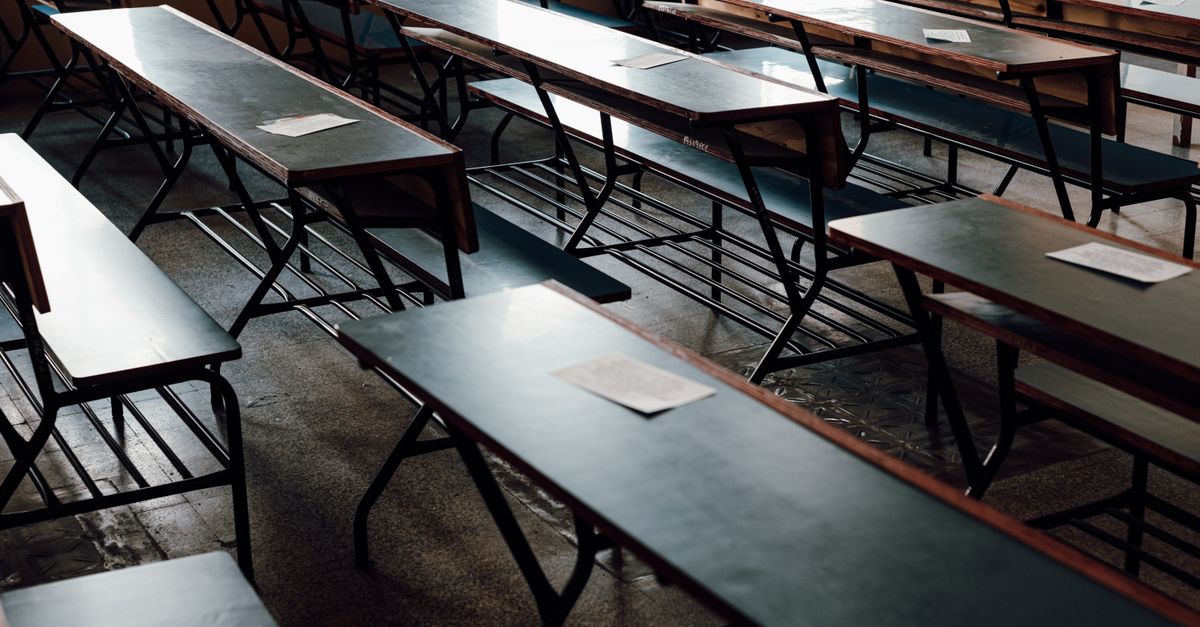
- China's gaokao is the most feared exam in the region, with over 10 million students competing for limited university spots.
- Malaysia's SPM and STPM are considered among the hardest, with pass rates often below 60 percent.
- Singapore's A-levels and PSLE are known for their intense pressure and influence on students' future careers.
The gaokao: a national obsession
In China, the gaokao is more than an exam — it is a life-defining event. Held annually in June, it determines which university a student can attend. With over 10 million candidates each year, the gaokao is the largest and most feared academic test in the world.
The exam lasts two days and tests students on Chinese, mathematics, a foreign language, and either science or humanities subjects. Competition is brutal. Only the top scorers get into elite institutions like Peking University or Tsinghua University. For millions, this exam is the only path to social mobility.
Students often prepare for years, attending grueling tutoring sessions and sacrificing sleep. The pressure is so immense that the government has repeatedly tried to reform the system.
Malaysia's SPM and STPM: rigorous and relentless
Malaysia's Sijil Pelajaran Malaysia (SPM) is taken by 16-year-olds after five years of secondary education. It covers more than 10 subjects, from mathematics and science to history and moral studies. The exam is known for its strict grading and low pass rate.
The Sijil Tinggi Persekolahan Malaysia (STPM) is a pre-university exam taken two years later. It is widely considered one of the hardest A-level equivalents in the world. Students must complete in-depth assignments, research projects, and final exams. Many find the workload overwhelming.
Both exams determine university admissions and scholarship opportunities. A poor result can close doors, adding to the stress.
Singapore's A-levels and PSLE: pressure from the start
Singapore's education system is famous for its rigor. The Primary School Leaving Examination (PSLE) is taken by 12-year-olds and decides which secondary school they attend. The exam subjects include English, mother tongue, mathematics, and science. The streaming system means a child's future is shaped at age 12.
The GCE A-levels, taken at 18, are even more demanding. Students specialize in three or four subjects and must complete project work. The exams are known for their depth and difficulty. Many students attend intensive preparation classes for months beforehand.
This pressure has led to public debate about student mental health. The government has introduced some reforms, but the exams remain among the toughest in Asia.
Other notable exams across the region
Thailand's O-Net and GAT/PAT exams are used for university admissions. The O-Net tests core subjects, while GAT/PAT measures general aptitude and specific abilities. Students often take multiple exams and coaching classes to improve their scores.
Vietnam's National High School Graduation Exam serves both as a graduation requirement and a university entrance test. It covers six subjects and is known for its strict security. Cheating is rare because penalties are severe.
Indonesia's Ujian Nasional was scrapped in 2021 after years of criticism. It was replaced by a less stressful assessment system. However, university entrance exams like SBMPTN remain highly competitive.
What comes next
Reforms are slowly being introduced across Southeast Asia to reduce exam pressure. But for now, these tests remain a rite of passage for millions of students. Their outcomes shape careers, families, and national economies. The debate over how to balance rigor with well-being is far from over.