Supreme Court Upholds Ban On Commercial Activity In Segur Elephant Corridor
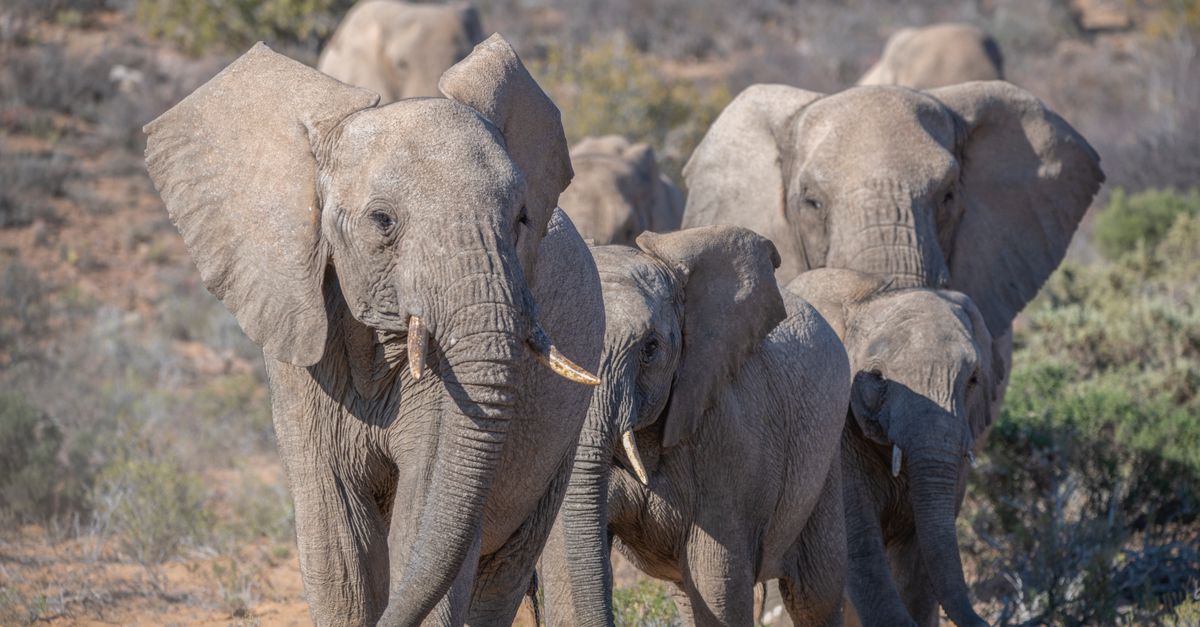
- Supreme Court dismisses challenges to the ban on commercial activity in the Segur Plateau elephant corridor.
- The corridor is a critical passage for elephants between the Nilgiris and the Eastern Ghats.
- Resort owners had argued the ban violated their rights; the court ruled environmental protection takes precedence.
The Supreme Court on Monday upheld a complete ban on commercial activities in the Segur Plateau elephant corridor in Tamil Nadu. The ruling puts an end to a long-running legal battle between wildlife conservationists and resort owners operating in the region.
What The Bench Ruled
A bench of Justices delivered the verdict, dismissing a batch of petitions that challenged the 2023 Madras High Court order. That order had prohibited any new commercial establishments and restricted existing ones from expanding in the corridor.
The court made it clear that the elephant corridor cannot be compromised for commercial gains. It noted that the Segur Plateau serves as a vital link for elephant movement between the Nilgiri Biosphere Reserve and the Eastern Ghats.
Why This Corridor Matters
The Segur Plateau is not just any forest patch. It is a crucial migratory route for elephants, especially during the dry season when animals move between the Mudumalai Tiger Reserve and the Sathyamangalam forests.
Wildlife experts have long argued that blocking this corridor with hotels and resorts disrupts elephant movement. This leads to increased human-animal conflict, with elephants straying into nearby villages and farmlands in search of food and water.
The court acknowledged these ecological concerns. It observed that the corridor's integrity is essential for the long-term survival of the elephant population in the region.
Resort Owners' Arguments Rejected
Petitioners, mostly owners of resorts and homestays, argued that the ban violated their right to carry on business. They claimed they had obtained all necessary licences and permits before the High Court order.
The Supreme Court was not convinced. It held that environmental protection and wildlife conservation outweigh individual commercial interests, especially when those interests threaten a critical wildlife habitat.
The court also noted that many of these establishments had come up in violation of existing forest and wildlife laws. It directed authorities to ensure strict compliance with the order and to remove any illegal structures in the corridor.
What This Means For Tourism
The ruling is likely to affect the local tourism industry, which had grown rapidly in the Segur area over the past decade. Dozens of resorts and homestays catered to tourists visiting the nearby hill stations and wildlife sanctuaries.
However, conservationists have welcomed the decision. They argue that regulated, low-impact tourism can continue in designated areas, but not inside the elephant corridor itself. The court's order does not affect residential areas or existing agriculture in the region.
The state government has been asked to clearly demarcate the boundaries of the elephant corridor and publish them. This will prevent future encroachments and disputes.
Authorities are now expected to conduct a survey of the corridor and identify all illegal constructions. Eviction notices may follow for establishments that refuse to comply with the ban.