US Strikes Iran for 10th Night as Tehran Hits Tanker in Strait of Hormuz
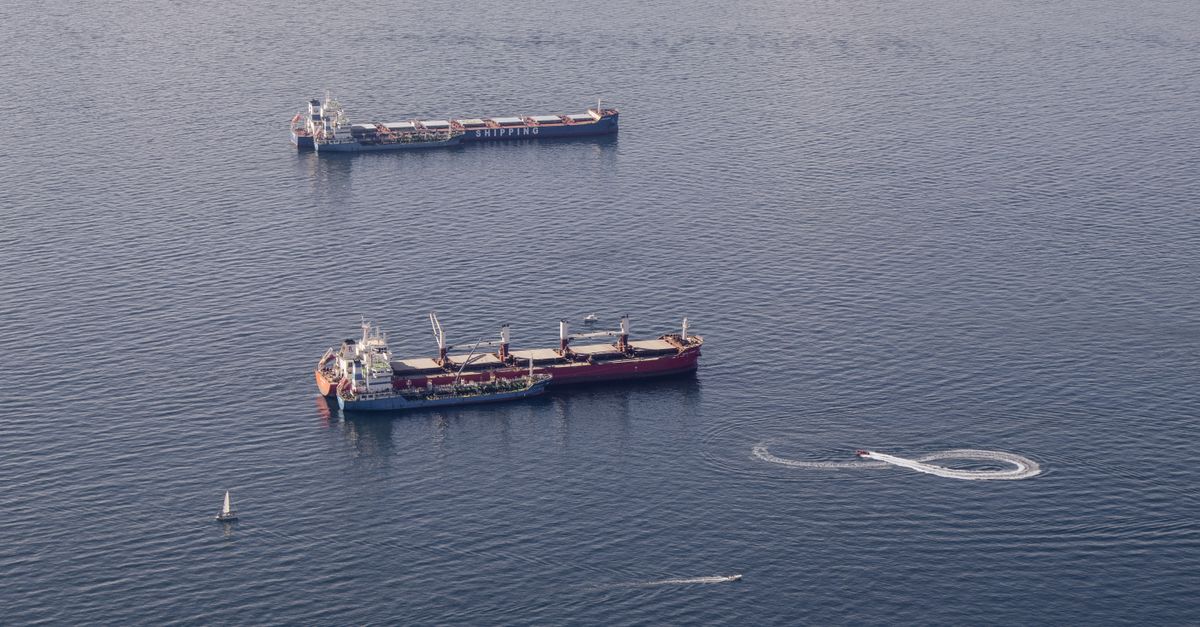
- US strikes on Iran enter 10th consecutive night, with President Trump warning of retaliation for soldier deaths.
- Iran retaliates by striking a tanker in the Strait of Hormuz, threatening global shipping lanes.
- Houthi rebels threaten Saudi shipping, complicating mediator efforts to secure a 10-day ceasefire.
The United States launched fresh airstrikes on Iran for the 10th consecutive night, escalating a conflict that now threatens global oil shipping lanes. President Donald Trump warned of further retaliation following the deaths of American soldiers in earlier attacks.
Tehran responded by striking a tanker in the strategically vital Strait of Hormuz. The waterway, through which about a fifth of the world's oil passes, is now a flashpoint in the widening confrontation.
US Strikes and Trump's Warning
The Pentagon confirmed the latest round of strikes targeted Iranian military infrastructure. The operation marks the longest sustained American bombing campaign against Iran since the 1980s.
President Trump issued a stark warning from the White House. He said the US would respond with overwhelming force to any further attacks on American personnel. Officials have not yet confirmed the exact number of US casualties that prompted the escalation.
Military analysts describe the campaign as a pressure tactic. However, intelligence reports cited by The Washington Post suggest the strikes are unlikely to compel a change in Tehran's strategic calculus.
Strait of Hormuz Tanker Attack
Iran's retaliatory strike on the tanker in the Strait of Hormuz sent ripples through global energy markets. The vessel was hit by an anti-ship missile, though its nationality and crew status remain unconfirmed.
The attack marks a significant escalation in tactics. Targeting commercial shipping in the chokepoint risks drawing in navies from across the world, including India, which depends heavily on Gulf oil.
Shipping companies have begun rerouting vessels. Insurance premiums for transit through the strait have surged, adding costs to an already volatile global supply chain.
Houthi Threats and Saudi Shipping
In a related development, Houthi rebels in Yemen threatened to target Saudi Arabian shipping. The group, which receives support from Iran, said it would attack vessels in the Red Sea in solidarity with Tehran.
The threat complicates mediator efforts. Diplomats from Oman and Qatar are pushing for a 10-day ceasefire to de-escalate the crisis. The Houthi announcement suggests that Iran's proxies remain active even as the US focuses on Iranian soil.
Regional experts warn that a broader maritime conflict could cripple trade. The Red Sea and the Strait of Hormuz together handle a significant portion of the world's container and oil traffic.
India's Strategic Dilemma
The conflict has placed New Delhi in a difficult position. India imports a substantial portion of its crude oil from the Gulf, and any disruption in the Strait of Hormuz directly impacts its energy security.
Indian diplomatic sources have not yet issued a formal statement on the tanker attack. However, analysts suggest the strikes on Chabahar port, in which India has invested, complicate New Delhi's balancing act between Washington and Tehran.
An opinion piece in NDTV argued that the US attack on Chabahar signals a point where India must stop playing by others' whims. The government is expected to review its strategic options in the coming days.
What to watch: Mediators continue to push for a 10-day ceasefire, but the Houthi threat and the tanker attack have dimmed hopes for a quick pause. Oil prices are likely to remain volatile, and India's diplomatic response will be closely watched for signs of a shift in its non-aligned posture.