World Cup 2026 report card: Spain gets an A, Infantino an F
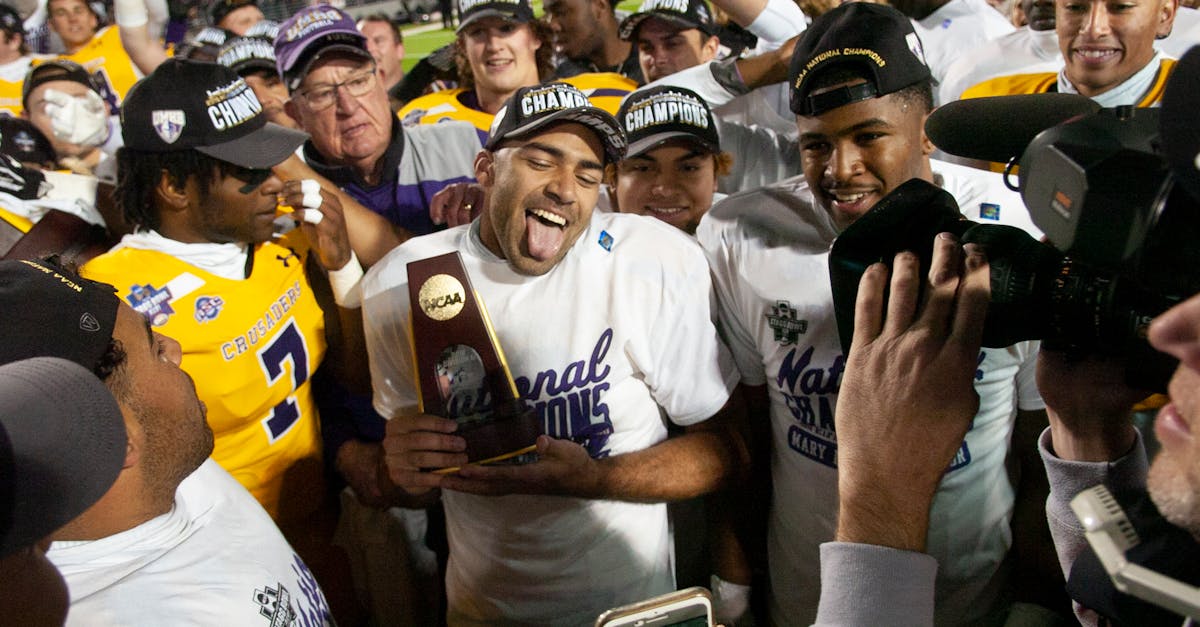
- Spain won the 2026 World Cup, earning top marks from ESPN.
- FIFA President Gianni Infantino received an F for handling of tournament issues.
- The tournament featured standout performances from Messi, Haaland, and Cape Verde.
- Contradictions marked the event, from geopolitics to on-field drama.
Spain's perfect run earns top grade
Spain's 2026 World Cup campaign has been graded an A by ESPN, capping a tournament where La Roja dominated from group stage to final. Their possession-based football and tactical discipline left opponents chasing shadows.
Key players like Pedri and Rodri controlled midfield, while young talents emerged to secure Spain's fourth star. The team conceded just three goals across seven matches, a defensive record that drew comparisons to the 2010 champions.
Fans and pundits alike have called this Spain side one of the most complete in recent World Cup history. Their ability to adapt under pressure, especially in knockout rounds, set them apart.
Infantino's F: A tournament of contradictions
FIFA President Gianni Infantino received an F from ESPN for his handling of the tournament. Critics point to opaque decisions on host selection, scheduling clashes, and unresolved human rights concerns.
The 2026 World Cup, co-hosted by the US, Canada, and Mexico, was touted as a unifying event. Yet off-field controversies, including disputes over commercial rights and player welfare, overshadowed the football.
Infantino's insistence on expanding the tournament to 48 teams drew mixed reviews. While it gave smaller nations like Cape Verde a platform, it also diluted group-stage quality and added fixture congestion.
Messi, Haaland, and Cape Verde steal the show
Lionel Messi, now 39, captained Argentina to a semi-final finish, defying age with moments of genius. Erling Haaland, playing for Norway in their first World Cup since 1998, scored eight goals to win the Golden Boot.
The surprise package was Cape Verde, who reached the quarter-finals. Their fast-paced counterattacks and collective spirit won global admiration, marking the first African nation outside the traditional powerhouses to go so far.
Other narratives included the impact of geopolitical tensions, with some matches played under heightened security. The US team, boosted by home crowds, reached the round of 16 before losing to a resurgent Brazil.
What the World Cup 2026 taught us
Al Jazeera called the tournament "a study in contradictions." On one hand, it showcased football's global reach; on the other, it exposed fractures in governance and equity. The expanded format gave exposure to new teams but also raised questions about competitive balance.
CNN described it as "one of the best tournaments ever," citing high-scoring matches and dramatic upsets. The final between Spain and Brazil attracted a record global audience, underlining the sport's enduring appeal.
Yet concerns linger about the 48-team model's sustainability. Player burnout, travel fatigue, and commercial overreach are issues FIFA must address before 2030.
What to watch next
FIFA faces mounting pressure to reform its governance ahead of the 2030 centenary World Cup, which will span six countries across three continents. The Infantino era may see increased scrutiny, while Spain's reign as champions begins with defending their title at the 2028 European Championship.