Einstein's Theory of Relativity Passes Black Hole Test Yet Again
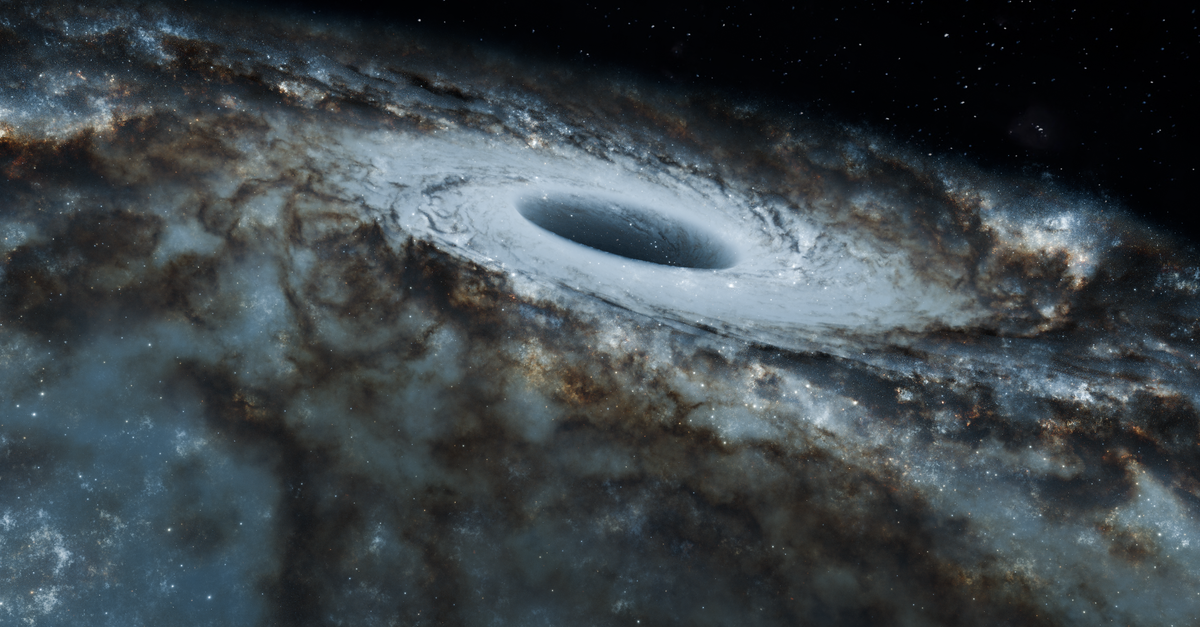
- A new study of black holes, described as the biggest of its kind, has failed to disprove Einstein's theory of general relativity.
- Researchers examined gravitational waves from black hole mergers to test the theory's predictions.
- The findings reinforce Einstein's century-old theory as the best description of gravity.
- The study sets new limits on potential deviations from general relativity.
Another Win for Einstein
Albert Einstein's general theory of relativity has survived its most rigorous test yet. A massive new study of black holes has once again failed to find any evidence that the century-old theory is wrong.
Researchers analysed gravitational waves — ripples in spacetime — from dozens of black hole mergers. The goal was to see if the waves behaved exactly as Einstein predicted. They did.
The Biggest Study of Its Kind
The study, described by scientists as the largest of its type, examined data from the LIGO and Virgo gravitational wave observatories. These facilities detect the faint tremors caused by the collision of black holes billions of light-years away.
By stacking data from multiple events, the team was able to test general relativity with far greater precision than any single observation would allow. The results place some of the strictest constraints ever on alternative theories of gravity.
Why Black Holes Matter
Black holes are the perfect laboratory for testing gravity. Their immense gravitational pull warps spacetime so severely that they create extreme conditions no other object in the universe can match.
If general relativity were to break down anywhere, it would be near a black hole's event horizon. But even here, in the most violent cosmic collisions, Einstein's equations held firm.
What the Results Mean
The study did not just confirm Einstein was right — it ruled out a range of modified gravity theories that had been proposed as alternatives. These theories often try to explain dark matter or dark energy by tweaking the laws of gravity.
For now, general relativity remains the undisputed champion. Any future theory of gravity must produce the exact same predictions in the regimes tested here.
What Comes Next
Scientists are not done testing. The next generation of gravitational wave detectors, including the proposed Einstein Telescope, will push the limits even further. But for now, Einstein still holds the crown.