Europe Faces Rising Extreme Weather Risk, EEA Warns
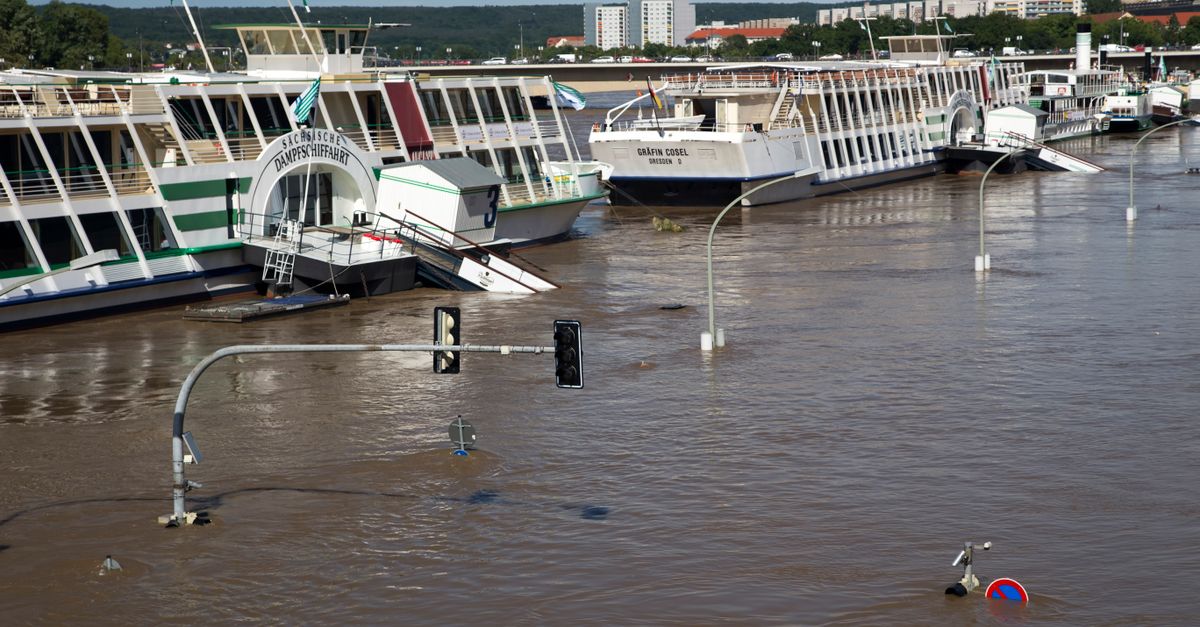
- EEA warns of more frequent and intense extreme weather events across Europe.
- Floods, droughts, and heatwaves pose growing risks to health, economy, and infrastructure.
- Report calls for urgent adaptation measures and emissions reductions.
The European Environment Agency (EEA) has released a stark assessment of extreme weather risks across the continent, warning that floods, droughts, and heatwaves are becoming more frequent and severe due to climate change.
The report, published June 21, 2026, draws on decades of climate data and projections to paint a picture of a continent under increasing environmental stress. It says that without significant cuts in greenhouse gas emissions, these extreme events will intensify.
Flood Risk Rising Across Much of Europe
The EEA highlights that river floods pose a growing threat to many regions, particularly central and northern Europe. Warmer temperatures mean more moisture in the air, leading to heavier rainfall and more severe flooding events.
Coastal areas also face heightened danger from storm surges and rising sea levels. The report notes that economic losses from floods have already increased substantially in recent decades. Infrastructure, homes, and farmland all remain vulnerable.
Drought and Water Scarcity a Growing Concern
While some regions face too much water, others face too little. The EEA report details how southern Europe is experiencing more frequent and prolonged droughts. This threatens agriculture, water supplies, and natural ecosystems.
Competition for water resources is likely to intensify. The report warns that sectors like farming, energy production, and tourism will all feel the strain. Water scarcity could also fuel regional tensions.
Heatwaves: A Direct Threat to Human Health
Perhaps the most immediate danger comes from heatwaves. The EEA says they are the deadliest extreme weather event in Europe. Recent summers have seen record-breaking temperatures, leading to thousands of excess deaths, particularly among the elderly and vulnerable.
Urban areas are especially affected due to the heat island effect. The report calls for better early warning systems, cooling centres, and green infrastructure like parks and tree cover to mitigate the impact.
Heatwaves also strain energy grids, damage crops, and increase the risk of wildfires. The EEA notes that wildfire seasons are starting earlier and burning larger areas in parts of southern Europe.
Economic and Insurance Implications
The financial toll of extreme weather is climbing. The EEA estimates that climate-related disasters cost Europe billions of euros annually. Insurance coverage remains uneven, leaving many households and businesses exposed.
The report stresses that investing in adaptation now is far cheaper than paying for disaster recovery later. It recommends better land-use planning, flood defences, and drought-resistant crops as part of a broader strategy.
European governments have already begun to implement adaptation plans, but the EEA says current efforts are insufficient. It warns that delays will only compound the risks.
The path forward depends on two fronts: rapid reduction of emissions to slow global warming, and simultaneous investment in resilience. The EEA report is a reminder that the window for action is narrowing. Europe must adapt to the climate it already faces, while working to avoid the worst of what is still to come.