Marengo Asia Hospitals Introduces rTMS Therapy for Stroke Rehab
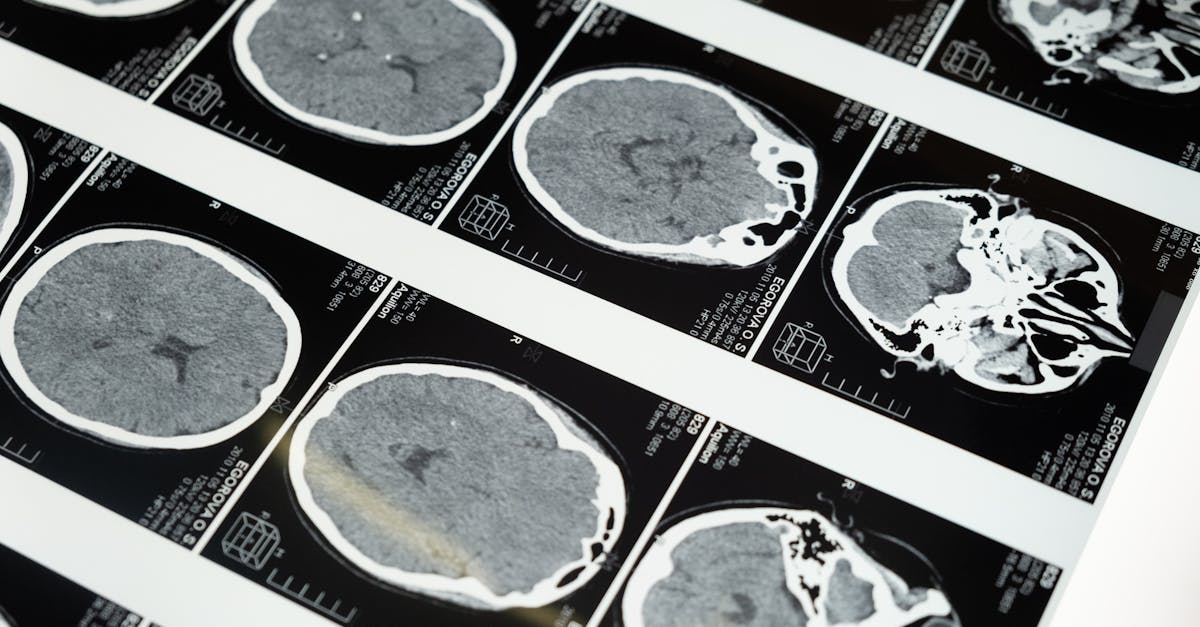
- Marengo Asia Hospitals has launched rTMS therapy for stroke rehabilitation.
- rTMS is a non-invasive technique that uses magnetic pulses to stimulate brain regions.
- The therapy aims to improve motor recovery and cognitive function in stroke patients.
- This initiative strengthens the hospital chain's neurosciences programme.
New Non-Invasive Therapy for Stroke Recovery
Marengo Asia Hospitals has introduced repetitive Transcranial Magnetic Stimulation (rTMS) therapy to support stroke rehabilitation and bolster its neurosciences programme. The non-invasive procedure uses magnetic pulses to stimulate specific areas of the brain, aiming to improve motor function and cognitive recovery in patients who have suffered a stroke.
The therapy is designed for individuals who have not achieved full recovery through conventional methods. By targeting neural pathways, rTMS may help restore movement and coordination.
How rTMS Works
During rTMS, a magnetic coil is placed on the scalp. It delivers repeated pulses that stimulate nerve cells in the brain. This process can encourage neuroplasticity, the brain's ability to reorganise itself and form new connections.
For stroke patients, this is particularly important. Damage to brain tissue often impairs motor control, speech, and memory. rTMS aims to activate underused regions and support the retraining of functions lost after a stroke.
Doctors at Marengo Asia Hospitals believe that early intervention with rTMS can significantly speed up recovery. The therapy is typically administered over several sessions, each lasting around 20–30 minutes.
Strengthening the Neurosciences Programme
The launch of rTMS therapy is part of a larger effort by Marengo Asia Hospitals to expand its neurosciences programme. The hospital chain has been investing in advanced technologies and specialist training to address the growing burden of neurological disorders in India.
Stroke is a leading cause of disability in the country. According to estimates, India reports over 1.8 lakh stroke cases annually. Many survivors face long-term challenges with mobility, speech, and daily activities. Access to innovative treatments like rTMS can make a meaningful difference in their quality of life.
The hospital's neurosciences team includes neurologists, neurosurgeons, physiotherapists, and rehabilitation specialists. They work together to create individualised care plans that combine rTMS with physical and occupational therapy.
What Makes rTMS a Game Changer
Unlike invasive procedures, rTMS does not require surgery or anaesthesia. Patients remain awake and can resume normal activities immediately after each session. Side effects are generally mild, including slight headache or scalp discomfort, which usually resolves quickly.
The therapy has been used successfully in other countries for depression, anxiety, and chronic pain. Its application in stroke rehabilitation is relatively new but promising. Early studies suggest that rTMS can enhance motor recovery, particularly when combined with standard physiotherapy.
Marengo Asia Hospitals plans to monitor patient outcomes closely. The data collected will help refine protocols and potentially expand the therapy to other neurological conditions.
Looking Ahead
The hospital chain intends to train more therapists and procure additional rTMS machines to meet demand. As awareness grows, more stroke patients and their families are expected to seek this treatment option. Whether rTMS becomes a standard part of stroke rehabilitation in India will depend on long-term results and accessibility.