Rare pair of improbably light ‘super-puff’ planets discovered
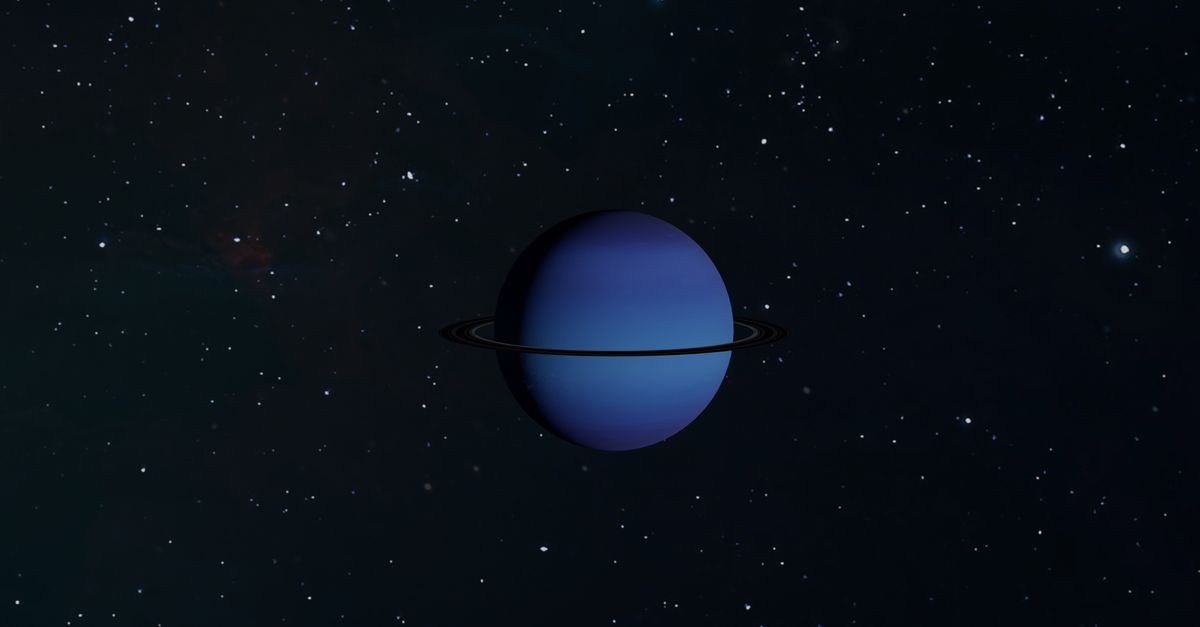
- Two exoplanets with remarkably low density have been identified, classified as 'super-puffs'.
- The planets orbit a star approximately 1,100 light-years from Earth.
- The discovery challenges current theories of planetary formation and evolution.
- Further observations are planned to study the planets' atmospheres.
A Cosmic Cotton Candy Find
Astronomers have announced the discovery of a rare pair of planets so light they are being called 'super-puffs'. These exoplanets, orbiting a star about 1,100 light-years away, have densities comparable to cotton candy. The finding is puzzling scientists and challenging established ideas about how planets form.
The two planets are part of a growing class of low-density worlds. But even among super-puffs, this pair stands out for its extreme lightness. Their densities are far lower than what standard models of planetary formation predict.
What Are Super-Puffs?
Super-puffs are exoplanets with masses only a few times that of Earth but with radii much larger, giving them a very low density. Imagine something the size of Jupiter but with less than a hundredth of its mass. That is the kind of world astronomers are dealing with here.
These planets are not solid. They are thought to be composed largely of hydrogen and helium, with a small rocky core. The newly discovered pair expands the known extremes of this category, pushing the limits of what is considered possible for a planet.
Challenges to Planet Formation Theory
How such fluffy worlds can exist is the central question. Standard models suggest that young planets should accumulate more solid material and become denser over time. The existence of these super-puffs suggests that some planets somehow avoid that process.
One leading theory is that these planets formed far from their star and then migrated inward. Another possibility is that they have thick, extended atmospheres that are being heated from within, causing them to balloon outward. Neither explanation fully accounts for the observed densities.
Scientists are also puzzled by why these two planets are in the same system. This rarity suggests that specific, perhaps uncommon, conditions are needed to create such worlds.
Researchers plan to use the James Webb Space Telescope to study the atmospheres of these planets in detail. By analysing the light passing through their atmospheres, they hope to identify the chemical composition and temperature structure.
The discovery was made using data from the Transiting Exoplanet Survey Satellite (TESS), which detects planets by measuring the slight dimming of a star's light when a planet passes in front of it. Follow-up observations from ground-based telescopes confirmed the planetary nature of the signals.
This finding adds to a growing list of unusual exoplanets that are forcing a rethink of planetary science. Each such discovery provides a new piece of the puzzle of how planetary systems, including our own, come to be.
The team's findings have been submitted for publication in a peer-reviewed journal. Astronomers will now focus on what these super-puffs can tell us about the diversity of worlds in the galaxy.